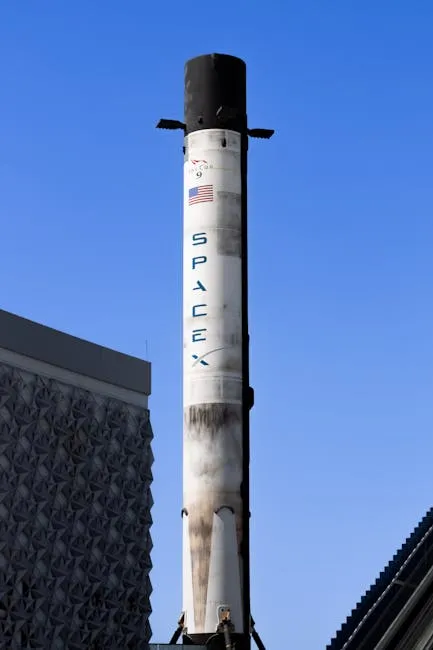
The intersection of decentralized finance and traditional corporate markets has never been more visible than it is today. A recent development on the blockchain has drawn sharp attention from traders, analysts, and regulatory observers alike: a pre-IPO style perpetual contract for SpaceX, powered by the decentralized derivatives venue Hyperliquid and hosted on Trade.xyz. What makes this particular instrument stand out is not just the underlying asset, but the staggering implied valuation of $1.78 trillion, the complete absence of equity ownership, and the fact that it operates in a regulatory environment that has yet to catch up with the technology.
The Mechanics of a Pre-IPO Perpetual Contract
To understand why this experiment is generating so much discussion, it helps to break down how perpetual futures function in a decentralized setting. Unlike traditional futures contracts that have a fixed expiration date, perpetuals allow traders to hold positions indefinitely by using funding rates to keep the contract price anchored to a reference price. In the case of SpaceX, that reference price is typically derived from recent private funding rounds, insider valuations, or aggregated oracle data.
How It Works on Trade.xyz
Trade.xyz has stepped in as the execution layer, providing a user-friendly interface that connects traders to Hyperliquid’s liquidity pools. Because SpaceX remains a privately held company, there is no publicly traded stock to reference. Instead, the contract essentially acts as a speculative derivative. Traders are not buying shares or gaining any ownership stake in the aerospace company. They are simply betting on the direction of an algorithmically derived valuation index. This setup democratizes access to what would otherwise be a highly restricted market, but it also strips away the traditional safeguards that govern public equities.
The Implied Valuation Debate
The $1.78 trillion implied valuation has sparked intense debate across financial communities. While SpaceX has undoubtedly revolutionized commercial spaceflight and commands a dominant market position, reaching a valuation in that range would place it alongside the most valuable publicly traded corporations in history. The gap between private market reality and on-chain speculation highlights a fundamental characteristic of decentralized derivatives: pricing is driven by liquidity and trader sentiment rather than audited financial statements or regulatory filings.
Navigating the Regulatory Gray Zone
The most pressing question surrounding this contract is not whether it will be profitable, but whether it is legally permissible. Traditional financial markets operate under strict oversight. The Securities and Exchange Commission (SEC) and the Commodity Futures Trading Commission (CFTC) maintain rigorous frameworks to prevent market manipulation, protect retail investors, and ensure that derivatives are traded on registered platforms.
The Absence of Authorization and Oversight
Hyperliquid’s SpaceX perpetual operates without corporate authorization from SpaceX itself. There is no partnership, no licensing agreement, and no regulatory filing that formally recognizes the contract as a legitimate financial instrument. This places the entire operation in a legal gray zone. Proponents argue that decentralized protocols operate on open-source code and community governance, which inherently bypasses the need for traditional approval. Critics, however, point out that trading unregistered securities or unauthorized derivatives can expose participants to legal risk, including potential enforcement actions or frozen assets.
What This Means for Traders and Traditional Markets
For retail traders, the appeal is obvious: the ability to leverage positions on a high-profile company without navigating the complex paperwork of private equity funds. For traditional market participants, the development serves as a warning sign. If decentralized venues continue to list derivatives on private companies without oversight, it could create parallel markets that distort real valuations, encourage speculative bubbles, and complicate future IPO processes. Companies going public often rely on stable, regulated pricing mechanisms. Introducing unregulated perpetuals could introduce volatility and legal complications that neither the company nor regulators want to manage.
The Bigger Picture: DeFi Meets Private Equity
This experiment is not an isolated incident. It represents a broader trend in decentralized finance: the tokenization and derivative trading of real-world assets that have never been intended for public speculation. From unlisted tech startups to private real estate funds, blockchain infrastructure is increasingly being used to create synthetic exposure to nearly any asset class. While this innovation promises greater financial inclusion and market efficiency, it also demands a serious conversation about consumer protection, market integrity, and legal accountability.
Opportunities and Risks in Unregulated Derivatives
The opportunities are substantial. Decentralized derivatives can provide liquidity to illiquid markets, allow smaller investors to participate in high-growth sectors, and reduce the friction associated with traditional brokerage accounts. The risks, however, are equally significant. Without regulatory oversight, these markets are vulnerable to manipulation, oracle failures, and sudden liquidity crunches. Traders must also navigate the reality that smart contract vulnerabilities or regulatory crackdowns could result in irreversible financial losses.
Looking Ahead: Will Regulators Step In?
Regulators are already watching. The rise of decentralized derivatives has forced financial authorities to reconsider how they define markets, brokers, and securities. Expect increased scrutiny, potential guidance on how to classify on-chain perpetuals, and possibly coordinated efforts to establish compliance standards for decentralized venues. The SpaceX contract will likely serve as a case study in how regulators choose to respond to this new frontier.
Conclusion
The launch of a SpaceX perpetual contract on Hyperliquid and Trade.xyz is more than just a niche trading experiment. It is a stress test for the entire decentralized finance ecosystem. By allowing traders to speculate on a private company’s valuation without equity, authorization, or clear regulatory backing, the market is being pushed into uncharted territory. While the innovation demonstrates the incredible flexibility of blockchain infrastructure, it also underscores the urgent need for transparent pricing mechanisms, investor safeguards, and regulatory clarity. As decentralized finance continues to merge with traditional asset classes, the decisions made today will shape how private markets, public regulators, and everyday traders navigate the future of global finance.