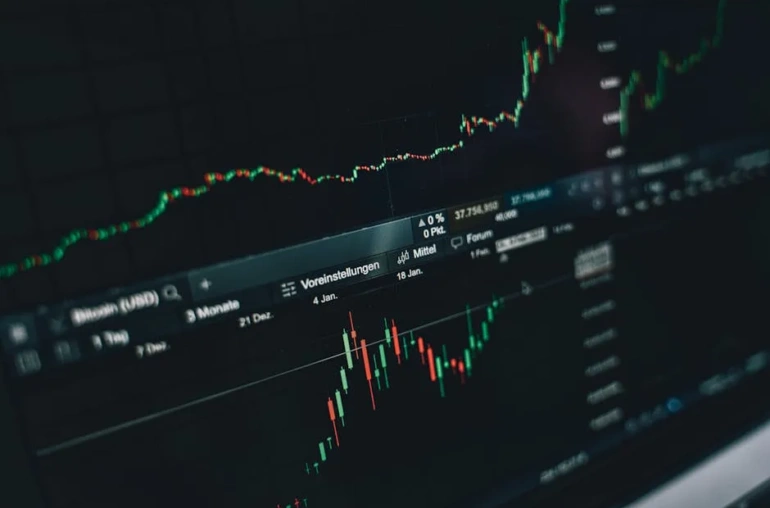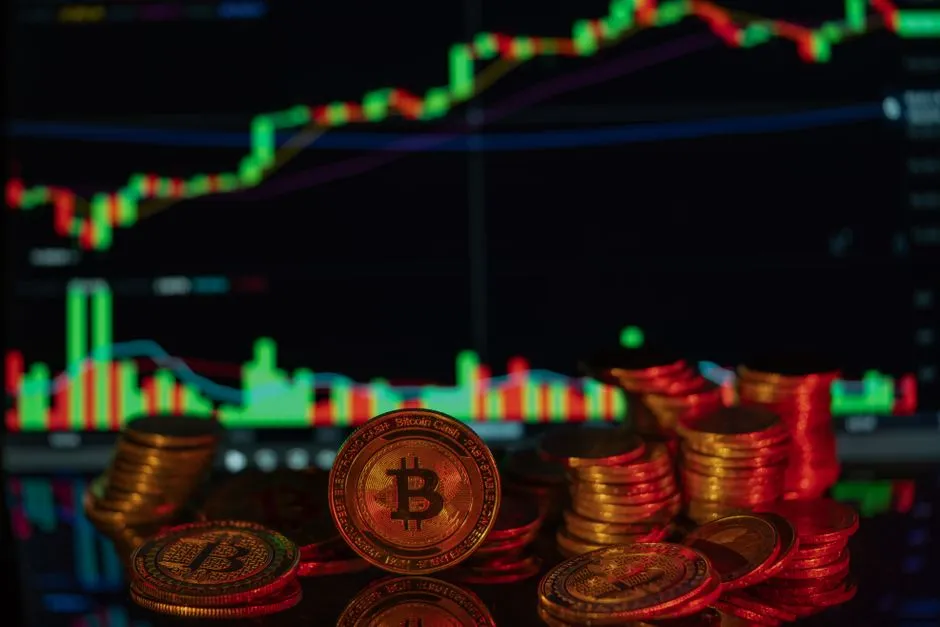
THORChain has resumed most of its cross-chain swap activity after a short but significant halt tied to a refund bug, and the market response was immediate. The protocol’s native token, RUNE, rallied roughly 15% as traders interpreted the restart as evidence that the issue had been addressed quickly enough to limit broader disruption across the network.
The development is important because THORChain occupies a unique position in the decentralized finance landscape. Unlike many cross-chain bridges that rely on wrapped assets, centralized custodians, or lock-and-mint mechanisms, THORChain uses a decentralized liquidity model to enable native asset swaps across multiple blockchains. That makes the network attractive to users who want to move value between ecosystems without relying on a single bridge operator, but it also means that any software fault can have a wide-reaching impact.
What Happened During the Halt
According to available information, THORChain restored trading on Bitcoin, Ethereum, and several other networks after identifying and addressing a refund bug. The bug reportedly affected the way refunds were handled in certain swap scenarios. In a cross-chain protocol, refunds are not a trivial detail. They are part of the failure-handling process that keeps users protected when a swap cannot be completed cleanly across different networks.
If a refund mechanism malfunctions, it can create accounting inconsistencies, expose the protocol to duplicate claims, or allow edge cases that may be exploited. For that reason, pausing affected routes is often the safest short-term response. It allows developers to stop activity, review the issue, and restart only when the system is operating as intended.
What stands out in this case is the speed of the response. THORChain did not simply leave the network in limbo. It restored most swap activity while keeping a smaller number of chains paused. That approach suggests a measured response: broad functionality was returned to users, but the team avoided reopening every route until the remaining risks were fully resolved.
Why the Restart Mattered to the Market
The 15% move in RUNE was a strong signal that the market viewed the restart positively. In crypto, token prices can react sharply to operational news, especially when the protocol in question is a well-known cross-chain infrastructure project. A halt can raise concerns about liquidity, security, and reliability, but a quick restart can also reinforce confidence.
For traders, the key question was whether the refund bug represented a one-time software issue or a deeper weakness in the network’s architecture. The fact that most swap routes were restored quickly helped ease that concern. It suggested that the problem was contained, that the team had the tools to diagnose it, and that the protocol could continue operating without a prolonged shutdown.
What Remains Paused and Why That Matters
Although most networks were back online, three chains remained paused. That detail matters because it shows the team is not taking a blanket approach to resuming operations. In complex cross-chain systems, different networks can have different transaction patterns, finality rules, and failure modes. A bug that appears on one chain may interact differently with another, especially when swaps involve multiple liquidity pools and asynchronous settlement.
Keeping those three chains paused while most of the network restarted was likely a risk-management decision. It allowed THORChain to restore value for the majority of users while continuing to monitor the remaining routes more carefully. In a decentralized protocol, that kind of staged recovery is often preferable to a full restart that might expose users to residual risk.
Broader Lessons for Cross-Chain Infrastructure
This episode highlights a recurring challenge in the cross-chain sector: the more seamless the experience, the more critical the underlying reliability becomes. Users expect swaps to work quickly, with minimal friction and no need to understand the complex interplay between blockchains. But that convenience depends on robust software, careful monitoring, and the ability to pause activity when something goes wrong.
THORChain’s response suggests that the protocol’s team understood that trust is the real product. In cross-chain finance, a single exploit or prolonged outage can damage confidence far more than a temporary price dip. By restarting most routes promptly while keeping the remaining chains paused, the team signaled both urgency and caution. That balance is exactly what users need to see when an issue arises in a high-stakes DeFi protocol.
What to Watch Next
Going forward, the focus will likely be on the three chains that remain paused. Investors and users will be watching for official updates on when those networks will be restored and whether any additional changes are needed to prevent similar issues in the future. The broader market will also be watching how THORChain’s trading volume, liquidity depth, and user activity respond over the coming days.
If activity returns to normal, the incident may fade quickly from the headlines. If, however, the paused chains remain offline for an extended period, it could raise fresh questions about the protocol’s risk controls. For now, the market’s reaction has been clear: the restart was welcomed, and the price action in RUNE suggests that many participants view the incident as a contained operational hiccup rather than a structural failure.
Final Takeaway
THORChain’s decision to restart most swaps after the refund bug was a practical and market-positive move. By restoring access to Bitcoin, Ethereum, and several other networks while keeping three chains paused, the protocol managed to balance user access with continued risk oversight. The 15% rally in RUNE shows how quickly confidence can return when a protocol demonstrates that it can identify a problem, contain it, and get back to work without compromising the broader network.
Related read: LO:TECH Raises $12 Million to Expand 24/7 Tokenized Stock Trading Across the U.S. and Asia