South Korea Takes a High-Tech Stance on Crypto Regulation
In a significant move to bring order to the often volatile and opaque world of cryptocurrency trading, South Korean regulators are turning to artificial intelligence. The nation’s financial watchdogs are actively deploying sophisticated AI systems designed to monitor trading activity across crypto exchanges in real-time, with the primary goal of detecting and flagging market manipulation.
The AI Watchdog: How It Works
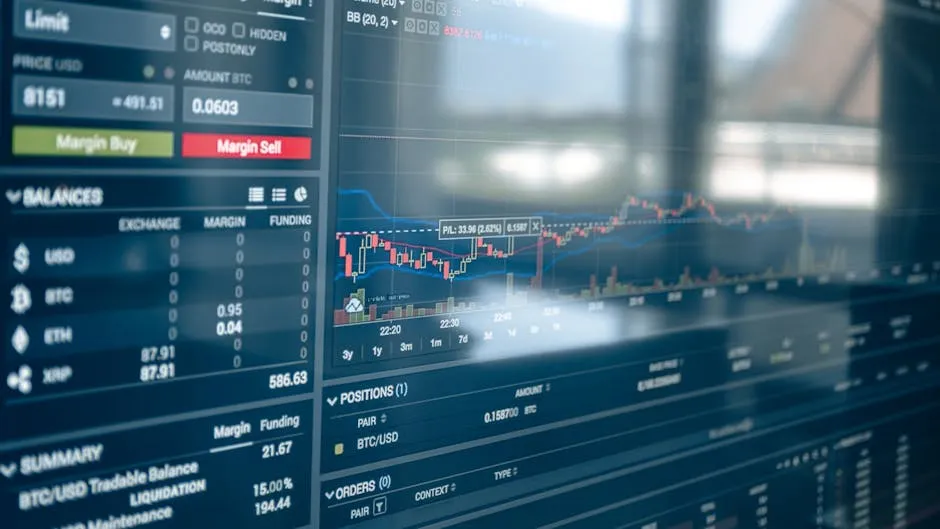
This isn’t about simple keyword tracking. The AI systems being implemented are trained to analyze vast amounts of trading data—transaction volumes, order book changes, price movements, and wallet activity—at a speed and scale impossible for human analysts. They look for complex patterns and anomalies that are hallmarks of manipulative practices. These can include:
- Wash Trading: Artificially inflating trading volume by buying and selling the same asset to create a false impression of activity.
- Spoofing and Layering: Placing large fake orders to trick other traders about supply and demand, then canceling them.
- Pump-and-Dump Schemes: Coordinated efforts to hype an asset’s price before selling off holdings at the peak.
By automatically flagging these suspicious patterns, the AI provides regulators with actionable intelligence, allowing for faster and more precise investigations.
Why This Matters for Crypto Markets
South Korea’s proactive approach signals a maturation in how major economies are handling digital asset oversight. For years, the crypto market’s decentralized and global nature has made it a challenging environment for traditional regulatory frameworks. The use of AI represents a technological arms race, where regulators are adopting the tools of the trade to keep pace with potential bad actors.
For legitimate investors and the industry at large, this push for surveillance is a double-edged sword. On one hand, increased detection of manipulation is crucial for building market integrity, protecting retail investors, and fostering mainstream institutional adoption. A cleaner market is a more trustworthy market. On the other hand, it raises questions about privacy, the potential for overreach, and the specific parameters the AI uses to define “suspicious” activity.
The Bigger Picture: A Global Trend?
South Korea’s move is being closely watched by regulators worldwide. As digital assets continue to integrate into the global financial system, other nations may follow suit, developing or procuring similar AI-driven surveillance tools. This trend points toward a future where crypto trading is subject to a level of automated oversight comparable to traditional stock markets.
The success of South Korea’s initiative could set a new standard for digital asset enforcement, balancing the innovative spirit of cryptocurrency with the necessary guardrails to prevent abuse and protect participants. It underscores a clear message: in the evolving landscape of finance, regulatory technology is becoming just as important as the financial technology it aims to oversee.