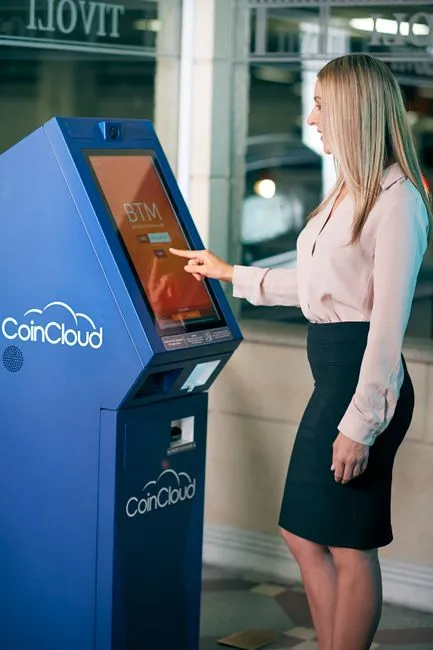
If you live in Minnesota, you might have noticed something missing from your local convenience store or gas station lobby lately: the crypto ATM. As of August 1st, a statewide ban on these machines has officially gone into effect, marking a significant escalation in the fight against cryptocurrency-related fraud. This isn’t a precautionary move; it’s a direct response to a staggering number of complaints and nearly a million dollars in confirmed consumer losses.
The decision to pull the plug on these kiosks didn’t happen overnight. It followed a period of intense scrutiny that uncovered a troubling pattern of scams targeting everyday people. Let’s break down what led to this decisive action, what it means for the future of digital assets in the state, and why this might be a bellwether for the rest of the country.
The Tipping Point: 134 Complaints and Nearly $1 Million Lost
To understand why Minnesota acted so forcefully, you have to look at the numbers. According to state regulators, they received a total of 134 complaints regarding crypto ATMs over a relatively short period. But the frequency of the complaints wasn’t the only issue; it was the severity of the financial damage. Those 134 incidents accounted for nearly $1 million in total consumer losses.
These aren’t just “risky investments” gone wrong. These are cases of outright theft, often involving sophisticated social engineering tactics. Scammers aren’t hacking these machines; they are hacking people. They impersonate government officials, utility companies, or even romantic interests, convincing victims to withdraw cash and deposit it into a specific crypto wallet via the ATM. Because cryptocurrency transactions are irreversible and pseudonymous, once the money is sent, it is virtually impossible to recover.
This dynamic makes crypto ATMs uniquely dangerous. Traditional bank transfers have fraud departments and chargeback mechanisms. Credit cards have dispute processes. Crypto ATMs offer none of that. They are essentially a direct pipeline from a victim’s cash to a scammer’s wallet, operating 24/7 without a human intermediary to intervene.
What the Ban Actually Means
The ban, which took effect on August 1st, is not a temporary suspension. It is a hard prohibition on the operation of cryptocurrency kiosks within state lines. However, the state has provided a grace period for businesses to comply with the new law. If you own or operate these machines, you have until December 31st to physically remove them from your premises.
This timeline is critical. It allows business owners to wind down their operations and potentially renegotiate contracts with the ATM providers, but it leaves no ambiguity about the final outcome. By the start of the new year, Minnesota will be crypto-ATM-free.
Why Kiosks Are a Scammer’s Best Friend
To really grasp why this ban is so important, you have to understand the mechanics of these scams. Often, victims are walked through the process step-by-step by the scammer on the phone. They are told to:
- Find the nearest “Bitcoin Depot” or similar kiosk.
- Insert cash into the machine.
- Scan a QR code provided by the scammer.
- Confirm the transaction before the cash is converted to crypto and sent.
The high pressure tactics, the fear-mongering (“your Social Security number will be suspended”), and the speed of the transaction leave victims with almost no time to pause and think. The physical presence of a machine in a trusted location (like a gas station) lends a false sense of legitimacy to the transaction.
Is This a Blueprint for Other States?
Minnesota is not the first state to crack down on these machines, but they are among the most aggressive. This move could serve as a template for other jurisdictions facing similar spikes in “pig butchering” and “grandparent” scams that rely on crypto kiosks. While the crypto industry often champions decentralization and freedom from government oversight, the reality is that these machines exist in the physical world and are subject to consumer protection laws.
For the broader market, this highlights a growing tension. While the underlying blockchain technology is neutral, the on-ramps and off-ramps—the points where digital assets touch the fiat world—are becoming heavily scrutinized. We are likely to see more state-level legislation targeting specific use cases that are deemed too risky for the general public.
For those who still want to buy and sell crypto legally, the landscape is shifting. While the convenience of the corner-store ATM is disappearing in Minnesota, regulated exchanges and peer-to-peer platforms remain available. These platforms often have more robust know-your-customer (KYC) procedures and fraud monitoring, which, while less convenient, offer a significantly safer experience.
If you are looking for a more secure method to transition between crypto and cash, exploring regulated financial services that offer a crypto-to-fiat bridge is a much safer alternative than a standalone kiosk. These services are typically held to higher compliance standards and offer better recourse for users.
The Bottom Line
Minnesota’s ban is a clear message: consumer protection trumps technological novelty. While it is unfortunate that bad actors have ruined a convenient tool for legitimate users, the state has determined that the social cost of these machines—nearly $1 million in losses—is simply too high to bear.
As the December 31st removal deadline approaches, we will be watching to see how this impacts scam rates in the state and whether other legislatures follow suit. For now, if you are in Minnesota, consider this a final warning about the dangers of unsolicited crypto requests. And if you are ever asked to send money via a crypto ATM, hang up the phone. It is a scam, and the state has now officially acknowledged just how dangerous these machines can be.