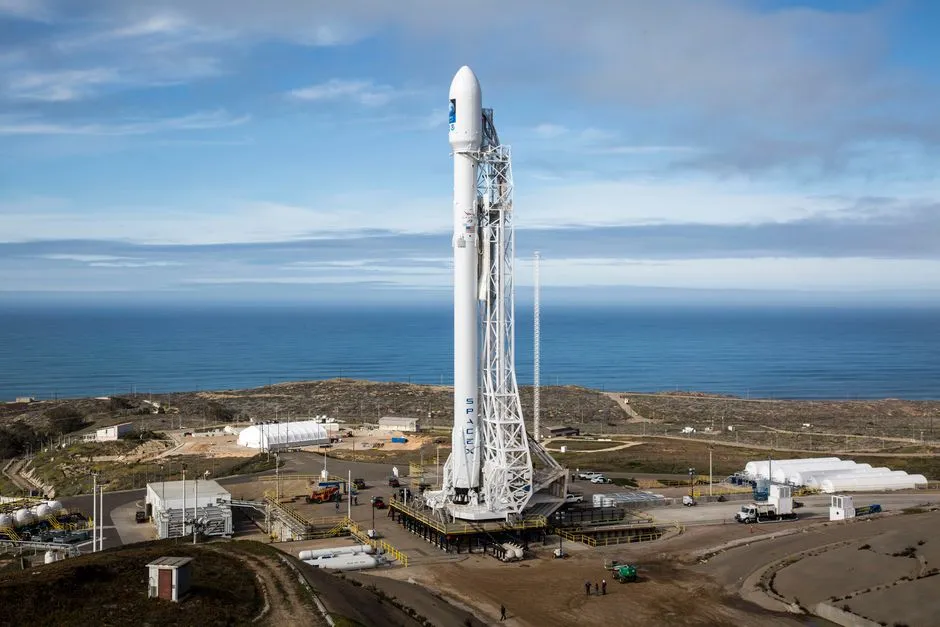
The aerospace and technology sectors have long been dominated by a handful of visionary companies, but none have captured the public imagination quite like SpaceX. The company’s highly anticipated public market debut has officially crossed a historic financial threshold, pushing founder Elon Musk’s net worth past the one-trillion-dollar mark. More importantly, this milestone has done more than just rewrite personal wealth records; it has formally introduced a new wave of billionaires to the global financial stage, drawn from the ranks of early investors, senior executives, and institutional partners who backed the venture when its success was far from guaranteed.
Breaking the Trillion-Dollar Barrier
Reaching a trillion-dollar net worth is an unprecedented feat in modern economic history. It places Musk in a category of wealth that has never been achieved by a living individual, surpassing the combined valuations of many traditional industrial conglomerates. The surge was directly tied to SpaceX’s public listing, where market confidence translated into a rapid valuation expansion. When a company of this scale and technological capability finally opens its doors to public trading, the resulting price discovery process tends to be aggressive. Investors are not just buying shares in a rocket manufacturer; they are buying into a vertically integrated aerospace ecosystem that handles everything from satellite deployment to lunar landings and next-generation interplanetary transport.
What makes this milestone particularly notable is that it reflects sustained operational execution rather than speculative hype. SpaceX has consistently delivered on its technical roadmap, reducing launch costs, increasing flight frequency, and securing lucrative government and commercial contracts. The market’s response confirms that investors view the company as a foundational piece of the modern infrastructure economy, similar to how railroads or telecommunications networks were viewed during their respective golden ages.
A Windfall for Early Believers and Executives
While Musk’s name dominates the headlines, the financial ripple effects extend far beyond the company’s founder. The public debut has instantly elevated dozens of employees, early-stage investors, and strategic partners into the billionaire category. This phenomenon mirrors the wealth creation seen during the dot-com boom and the subsequent rise of major tech giants, but with a distinct aerospace twist.
Employees who joined SpaceX during its lean years, often accepting significant equity packages in lieu of traditional compensation, are now seeing those stakes multiply dramatically. Senior engineers, mission planners, and operational leaders who helped steer the company through near-bankruptcy and repeated launch failures are now reaping the rewards of their perseverance. Similarly, institutional backers and private equity firms that provided critical capital during the company’s most capital-intensive development phases are watching their portfolios appreciate at an extraordinary pace. This democratization of wealth creation underscores a broader shift in how high-risk, high-reward ventures are structured and rewarded in the twenty-first century.
Market Dynamics and Share Performance
Trading activity following the debut has been remarkably robust. Reports indicate that SpaceX shares have been trading at a premium of approximately thirty-seven percent above their initial reference price of one hundred thirty-five dollars. This sustained upward momentum suggests strong institutional demand and a high degree of market confidence in the company’s long-term growth trajectory. When shares consistently trade well above their baseline valuation, it signals that investors are pricing in future revenue streams from satellite internet expansion, commercial spaceflight, and potential deep-space missions.
The premium also reflects a broader reallocation of capital toward hard technology and infrastructure. Unlike software companies that can scale with minimal physical overhead, aerospace ventures require massive upfront capital, rigorous safety testing, and complex supply chain management. The market’s willingness to pay a significant premium for SpaceX indicates a growing recognition that physical innovation and industrial execution carry unique, defensible value in an increasingly digital world.
What This Means for the Space Economy
The financial success of SpaceX’s public debut is likely to reshape investment strategies across the broader space sector. Traditional aerospace firms are now under pressure to accelerate their own commercialization efforts, while venture capital firms are shifting focus toward space logistics, orbital manufacturing, and advanced propulsion systems. The creation of a new billionaire class tied to space technology also signals to emerging markets and global governments that space is no longer a niche government endeavor; it is a mainstream economic driver.
Furthermore, this financial milestone will likely influence how future space ventures are structured. We can expect more public-private partnerships, increased transparency in valuation metrics, and a growing emphasis on sustainable space operations. As regulatory frameworks adapt to this new era of commercial spaceflight, the financial markets will play an increasingly active role in determining which technologies receive the capital needed to scale.
Looking Ahead
The road ahead for SpaceX and the broader space industry will undoubtedly present new challenges, from orbital debris management to international regulatory compliance and the sheer technical complexity of interplanetary missions. However, the financial validation provided by this market debut offers a clear signal: the era of commercial spaceflight is firmly established. As capital flows into the sector and a new generation of space-focused investors and entrepreneurs emerge, the boundaries of what is economically and technologically possible will continue to expand. The trillion-dollar milestone is not just a personal achievement for one founder; it is a testament to what happens when long-term vision meets disciplined execution and market confidence.