The Vital Importance of Daily Crypto Updates
In the fast-paced world of digital assets, staying informed is not just a hobby; it is a necessity for anyone participating in the market. The cryptocurrency ecosystem moves at a velocity that often leaves traditional financial news behind. From the fluctuating price action of Bitcoin to the innovative developments in Decentralized Finance (DeFi), the landscape changes hour by hour. Understanding what is happening daily requires a focus on the key pillars that drive the industry: market trends, technological advancements, and regulatory shifts. This comprehensive guide breaks down the essential components of a daily crypto news cycle, helping investors and enthusiasts navigate the complex environment with clarity.
Bitcoin and Market Sentiment
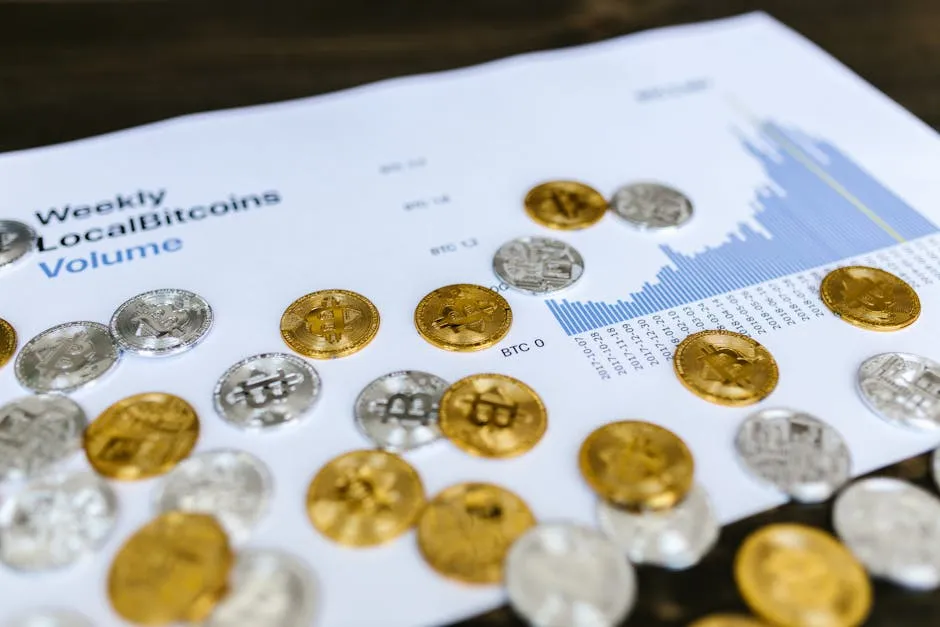
Bitcoin (BTC) remains the anchor of the entire cryptocurrency market. When Bitcoin moves, the rest of the market usually follows. On any given day, investors are closely watching price action, trading volumes, and on-chain metrics to gauge market sentiment. Major price movements are often driven by macroeconomic factors, institutional adoption news, or technical analysis breakthroughs. Whether Bitcoin is consolidating in a range or breaking out of key support levels, these movements signal confidence or fear among market participants. Understanding these dynamics is crucial for managing risk, as volatility is inherent to the asset class. Analysts often look at the correlation between Bitcoin and traditional risk assets like stocks or bonds to predict broader market trends. Keeping an eye on these indicators ensures that traders are making decisions based on data rather than speculation.
Blockchain Innovation and Technology
Beyond price charts, the underlying technology continues to evolve. Blockchain networks are constantly undergoing upgrades to improve scalability, security, and interoperability. Daily news often highlights new protocol upgrades, consensus mechanism changes, or the launch of new Layer-2 solutions. These technical improvements are vital because they address the historical limitations of blockchain networks, such as slow transaction times and high fees. When a network becomes more efficient, it opens the door for more applications to be built on top of it. Investors need to understand that technological progress is often more significant in the long run than short-term price fluctuations. A robust blockchain foundation supports the growth of DeFi, NFTs, and other Web3 applications, making it a cornerstone of the industry’s sustainability.
DeFi Protocols and Yield Strategies
Decentralized Finance (DeFi) represents a fundamental shift in how financial services can be accessed without intermediaries. Daily updates in this sector often revolve around new lending protocols, staking opportunities, and liquidity pools. Users are constantly seeking the best yield strategies, but this comes with inherent risks. Smart contract vulnerabilities, liquidity shortages, and governance attacks are common concerns that make security and audits essential topics of discussion. A successful DeFi ecosystem relies on transparency and trust. When a new protocol launches, the community scrutinizes its code and tokenomics to ensure it is viable. This sector is where innovation happens most rapidly, but it also requires a disciplined approach to risk management. Understanding the mechanics of DeFi allows users to participate safely and profitably.
NFTs and the Evolution of Web3
Non-Fungible Tokens (NFTs) have evolved from simple digital art collectibles to utility-driven assets. Today, they serve as keys to access various digital experiences, from gaming to real estate ownership. Daily news in this space often covers marketplace trends, high-value sales, or the integration of NFTs into broader Web3 infrastructure. Web3 aims to create a decentralized internet where users own their data and digital identities. NFTs play a pivotal role in this vision by providing unique ownership verification. However, the market has matured, and investors are now looking for projects with real-world utility rather than speculative hype. The narrative is shifting from “flipping” to holding assets that provide ongoing value. This shift reflects a growing maturity in how investors view digital ownership within the broader context of the internet.
The Impact of Crypto Regulation
Finally, regulatory developments cannot be overlooked. Government policies around the world are shaping the future of the industry. News regarding tax changes, ETF approvals, or anti-money laundering rules can have immediate effects on market liquidity. For instance, clear regulatory frameworks can encourage institutional investment, while restrictive laws can lead to market exits. Investors must stay informed about legislative changes in their jurisdictions and globally, as crypto is a borderless asset class. Compliance is a double-edged sword; while it adds overhead, it also provides legitimacy. Understanding the regulatory landscape helps businesses and individuals protect themselves from legal pitfalls while navigating the global economy.
Conclusion
Navigating the daily news cycle of the cryptocurrency industry requires a balanced perspective. It involves analyzing price data, understanding technological upgrades, evaluating DeFi projects, assessing NFT utility, and monitoring regulatory changes. By keeping a pulse on these areas, participants can make more informed decisions. The market is resilient, but it is also sensitive to information flow. Whether you are a long-term holder or a day trader, the knowledge gained from these daily updates serves as a foundation for strategic planning. As the industry continues to mature, the focus will likely shift from speculation to utility and stability, making daily awareness even more critical for success.