Navigating the Daily Crypto Pulse
The digital asset market is nothing short of a living organism. It breathes, evolves, and reacts to a constant stream of information ranging from technological breakthroughs to geopolitical shifts. For investors, traders, and enthusiasts alike, staying informed is not just a hobby; it is a necessity. Understanding what happens in crypto today requires a holistic view that goes beyond simple price charts. It demands an understanding of the broader ecosystem, including decentralized finance (DeFi), non-fungible tokens (NFTs), Web3 infrastructure, and the ever-shifting landscape of government regulation.
Today’s briefing delves into the core pillars that drive the cryptocurrency market. We will explore the movements in Bitcoin, the innovations happening in blockchain technology, and the regulatory updates that could impact your portfolio. Whether you are looking for the latest headlines or seeking to understand the underlying trends, this comprehensive guide serves as your roadmap for the day.
The Bitcoin Standard and Market Sentiment
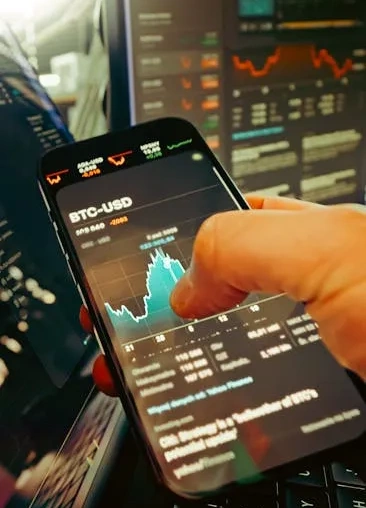
Bitcoin often acts as the bellwether for the entire cryptocurrency market. Its price action sets the tone for altcoins and stablecoins. Recently, the asset has been navigating a complex environment influenced by macroeconomic factors, including interest rates and inflation data. Institutional adoption continues to be a major narrative driving price stability and growth. Major financial institutions are increasingly integrating digital assets into their balance sheets, signaling a maturation of the asset class.
Traders should keep an eye on support and resistance levels, as well as on-chain metrics such as the hash rate and active addresses. These indicators provide insight into miner health and network participation, which are crucial for long-term valuation. Furthermore, the narrative around the Bitcoin halving event continues to resonate, with many analysts suggesting that supply shock dynamics could influence price trajectories in the coming quarters.
Decentralized Finance and Web3 Evolution
Decentralized finance (DeFi) remains a vibrant sector within the Web3 ecosystem. Protocols are constantly innovating to improve capital efficiency, yield generation, and user security. Lending markets, derivatives, and yield farming platforms are seeing new iterations that aim to reduce risk while maximizing returns. However, security remains paramount. Smart contract vulnerabilities are a significant concern, making audits and security protocols essential for any DeFi project aspiring to longevity.
Web3 is expanding beyond just finance. We are seeing deeper integration with real-world applications, including identity verification, digital ownership, and metaverse experiences. The focus is shifting from speculation to utility. Projects that solve genuine problems and offer tangible value are attracting more serious interest from venture capital and established tech companies. This shift towards utility is expected to stabilize the market and reduce the volatility often associated with pure hype cycles.
Regulatory Landscapes and Global Policy
Regulation is perhaps the most unpredictable variable in the crypto space. Governments worldwide are grappling with how to classify digital assets. In the United States, the regulatory framework continues to be a subject of intense debate between the Securities and Exchange Commission (SEC) and industry stakeholders. Meanwhile, the European Union has made strides with the Markets in Crypto-Assets (MiCA) regulation, aiming to create a unified framework across member states.
These regulatory developments are critical for institutional participation. Clear rules can foster trust, while ambiguity can lead to market hesitation. Investors need to stay abreast of legislative proposals and executive actions that could impact their holdings. Understanding the geopolitical context is also vital, as different regions take different approaches to digital currency, ranging from strict bans to full embrace.
Emerging Trends in NFTs and Digital Collectibles
The NFT market has evolved significantly since its early days focused solely on digital art. Today, NFTs represent a diverse range of assets, including real estate deeds, domain names, and virtual real estate within metaverse environments. The narrative is shifting from “flipping” to “ownership and utility.” Projects that offer membership access, community benefits, or tangible rewards are finding more sustainable models.
As the market matures, we expect to see more cross-chain interoperability, allowing NFTs to be traded across different blockchains seamlessly. This liquidity improvement could unlock significant value trapped in isolated ecosystems. Additionally, the integration of NFTs with DeFi protocols, such as using NFTs as collateral for loans, is becoming more common, further integrating these assets into the broader financial system.
Conclusion: Staying Ahead of the Curve
In conclusion, the cryptocurrency market today is a tapestry woven from threads of technology, finance, and policy. Success in this space requires more than just buying and holding; it demands active engagement with the news cycle and a deep understanding of the underlying mechanics. By monitoring Bitcoin trends, keeping an eye on DeFi innovations, and respecting regulatory developments, investors can position themselves for long-term success.
Remember, the market is always moving. What happened yesterday might not matter as much as the trends forming today. Stay curious, do your own research, and never stop learning about the technologies that are reshaping our global economy. The future of digital assets is bright, but it belongs to those who are prepared to navigate the changes with wisdom and caution.