China is not just experimenting with distributed ledgers; it is planning to make them part of the country’s long-term digital infrastructure. The target year is 2030, and the focus is a national blockchain network that can support trade, manufacturing, and other areas where trust, traceability, and efficient record-keeping matter.
The announcement comes from China’s five-year digital development plan, which points to a broader push to expand blockchain use while tightening the technical standards around it. In practical terms, the government is signaling that it wants the technology to move beyond pilots and into systems that can be relied on at scale.
Why a national network matters
For many countries, blockchain still looks like a collection of isolated projects: a supply chain trial here, a trade finance experiment there, or a government pilot aimed at testing a specific use case. China’s approach appears different. By setting a 2030 target for a national blockchain network, the country is framing the technology less as a set of isolated experiments and more as shared infrastructure.
That distinction is important. A national network suggests a coordinated effort to connect institutions, standardize protocols, and create a common foundation that businesses and public agencies can build on. Instead of every organization starting from scratch, companies may eventually be able to plug into a broader ecosystem with clearer rules, interoperability, and shared technical expectations.
In other words, the goal is not simply to deploy blockchain in a few high-profile demos. The aim is to create a durable layer of digital trust that can support everyday commercial activity.
Trade and manufacturing are the front-line use cases
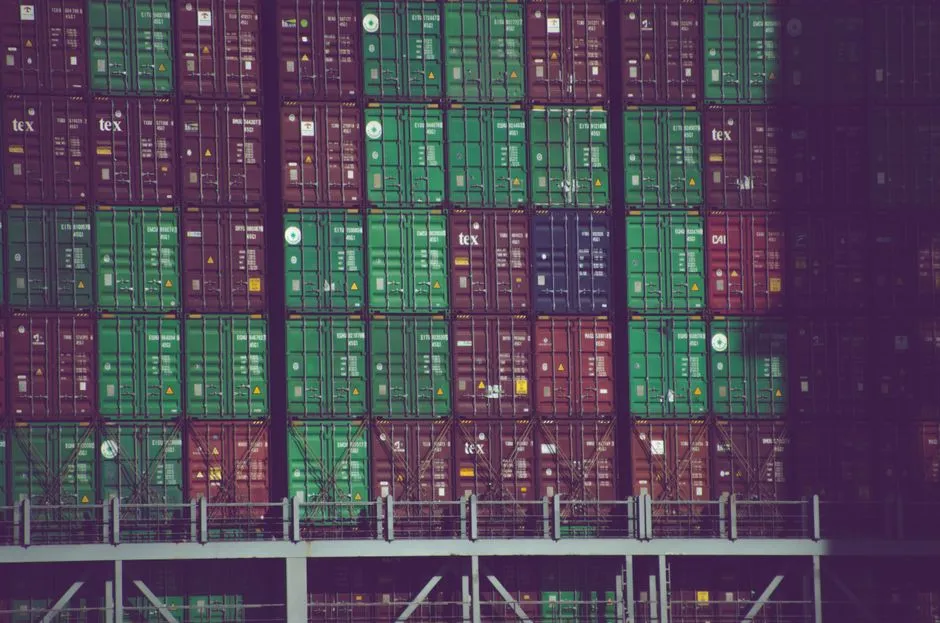
The plan’s emphasis on trade and manufacturing is especially telling. Both sectors live and die by documentation, coordination, and trust between multiple parties. A shipment of goods may involve exporters, importers, banks, logistics providers, insurers, customs authorities, and production facilities. Each step generates records, and each record needs to be accurate, timely, and verifiable.
Blockchain can be particularly useful in environments like this because it offers a way to share a consistent version of the facts among participants without relying on a single central authority. For trade, that could mean faster document processing, more transparent shipment tracking, and reduced friction in cross-border transactions. For manufacturing, it could mean better visibility across complex supply chains, more reliable product traceability, and improved coordination between suppliers and producers.
These are not futuristic ideas. They are practical problems that already exist today. The difference is that a national-level network could make it easier for those solutions to scale beyond individual companies or limited partnerships.
Standards are the quiet but critical part of the plan
One of the most important details in the plan is the focus on stronger technical standards. This is where many blockchain initiatives stumble. A network is only as useful as its ability to communicate with other networks, support secure applications, and operate reliably over time. Without standards, even well-funded projects can end up as expensive, disconnected silos.
Standards matter because they reduce uncertainty. They help developers know what tools to build on, help enterprises assess risk, and help regulators understand how the system is supposed to work. They also make it easier for different participants to join the network without having to negotiate a completely separate technical setup every time.
This is where China’s approach looks more institutional and less speculative. The emphasis is not on hype-driven token launches or short-term market movements. It is on technical readiness, governance, and long-term usability. That is a very different flavor of blockchain development, but it may be the kind that leads to real adoption in industrial and commercial settings.
What this means for businesses operating in or with China
For companies that already operate in China, the 2030 target is a signal that blockchain-related rules, expectations, and infrastructure will continue to evolve. Businesses that work in trade, logistics, manufacturing, or cross-border commerce should expect the regulatory and technical environment to become more structured over time.
That can be both an opportunity and a compliance challenge. On one hand, a more standardized ecosystem may make it easier to participate in blockchain-enabled trade processes. On the other hand, companies will need to understand how their internal systems, data practices, and third-party relationships fit into the broader framework.
For foreign firms, this also raises the importance of local alignment. If China builds a nationally coordinated blockchain environment, the most effective participants are likely to be those that understand both the technology and the local operating context. That includes working with domestic partners, keeping up with evolving standards, and being prepared for a system that may look different from the more fragmented blockchain ecosystems seen elsewhere.
The bigger signal: blockchain as public infrastructure, not just a crypto story
The most important takeaway is that China is treating blockchain as a piece of national digital infrastructure, not merely a financial or crypto story. The plan’s focus on trade, manufacturing, and technical standards suggests a deliberate effort to embed the technology into the real economy.
That does not mean the project is without challenges. Building a national network is a massive undertaking. It requires coordination across industries, sustained investment, clear governance, and technical systems that can scale without becoming brittle. It also requires trust from the businesses and institutions that are expected to use it.
But the direction is clear. China is aiming for a future where blockchain is not an optional add-on, but a functioning part of the country’s digital economy by 2030.
Bottom line
China’s 2030 target for a national blockchain network is a strong indicator of how seriously the country is taking the technology. By anchoring the effort in trade, manufacturing, and technical standards, the plan points toward a more institutional and infrastructure-driven model of blockchain development. For global businesses, that is worth watching closely, because the systems being built in China could shape how digital trust, supply chain transparency, and cross-border trade evolve in the years ahead.
Related read: Bitcoin Holds Its Ground After a 3% Dip as AI Fears Rattle Global Stock Markets