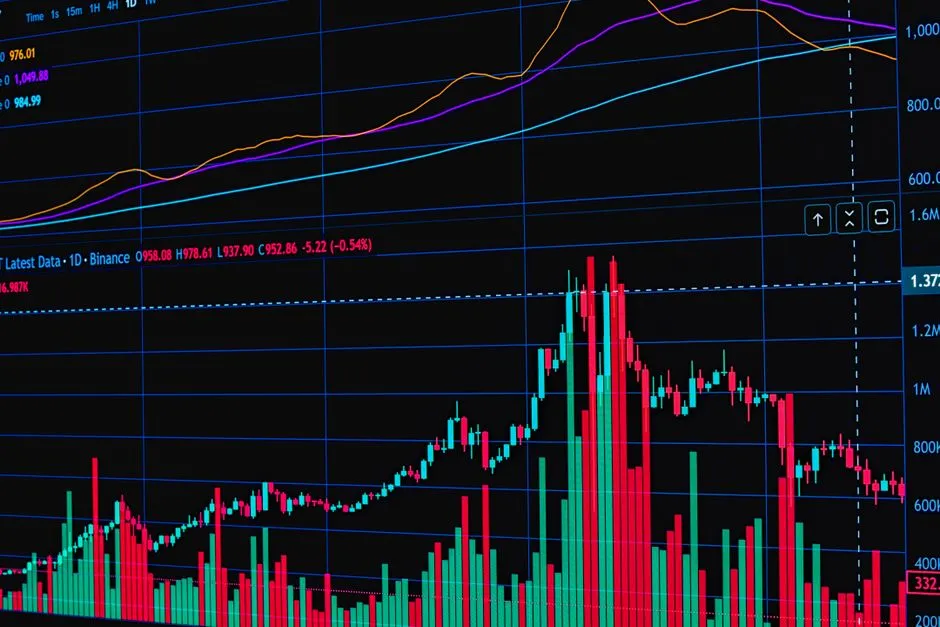
The crypto market has been on a rollercoaster ride lately, and Bitcoin is once again at the center of attention. After a strong bounce that pushed the price back toward the psychological $65,000 mark, the momentum appears to have stalled. As of Aug. 8, BTC is hovering near this key level, but there’s a lingering concern that the recovery might not have the legs to push much higher just yet.
The issue isn’t just about resistance levels or market sentiment. It’s about who is holding the coins and at what price they bought them. When we look at the behavior of short-term holders—those who have acquired Bitcoin within the last 155 days—we see a potential source of selling pressure that could weigh on the market in the coming days.
The $65,000 Hurdle: More Than Just a Number
For many traders, $65,000 is a nice round number that evokes a sense of stability. But in the world of on-chain analysis, this level carries a deeper meaning. It is closely tied to the short-term holder cost basis, which is essentially the average purchase price of coins that have moved within the last five months.
When Bitcoin’s price trades above this cost basis, short-term holders are generally in profit. That tends to reduce selling pressure because there’s less urgency to exit at break-even. However, when the price slips below this level, as it did recently, those same holders find themselves underwater. And that’s where the risk begins to build.
Right now, Bitcoin is struggling to reclaim that cost basis. It’s hovering just beneath it, which means a significant portion of recent buyers are sitting on unrealized losses. Historically, this scenario has often led to a phenomenon known as “capitulation selling,” where holders decide to cut their losses and exit the market, adding downward pressure on the price.
Why Short-Term Holder Behavior Matters
You might wonder why we pay so much attention to short-term holders rather than long-term investors. The answer is simple: behavior. Long-term holders are typically more resilient to price fluctuations. They’ve weathered multiple cycles and are less likely to panic-sell during a dip. Short-term holders, on the other hand, are often more reactive. They might have bought during a recent rally, expecting quick gains, and are now feeling the heat as the market cools.
This dynamic creates a feedback loop. If the price fails to break above the short-term holder cost basis, selling pressure increases. That selling pressure pushes the price down further, which encourages even more selling. It’s a cycle that can be hard to break without a strong catalyst or a significant shift in market sentiment.
The Current Market Picture
As of Aug. 8, Bitcoin is trading around the $65,000 zone, but the inability to push decisively higher is telling. The market had a strong recovery attempt, but it appears to have run out of steam at this critical juncture. The failure to reclaim the cost basis is a warning sign that the recovery might be fragile.
It’s not all doom and gloom, though. The fact that Bitcoin has managed to hold above $64,000 and stabilize suggests there is some buying interest at these levels. The question is whether that interest is strong enough to overcome the potential supply from short-term holders looking to exit.
What Could Trigger the Next Move?
For Bitcoin to break out of this consolidation phase, it will likely need a combination of factors. First, we need to see volume pick up on the upside. A low-volume rally is always suspect, as it can be easily reversed. Second, macroeconomic conditions play a role. Any shifts in risk appetite, interest rates, or regulatory news could quickly change the narrative.
On the flip side, if the price fails to hold and drops below the recent lows, we could see a more pronounced correction. The next support levels are likely to be tested, and that could bring the short-term holder cost basis even further out of reach, prolonging the period of uncertainty.
What Should Investors Watch For?
If you’re holding Bitcoin or considering entering the market, the key metric to keep an eye on is the short-term holder cost basis. As long as the price remains below this level, there is a latent risk of selling pressure. A decisive move above it, preferably on strong volume, would be a bullish signal that the recovery is back on track.
It’s also worth monitoring exchange flows. If we see large amounts of Bitcoin moving to exchanges, that could indicate an intention to sell. Conversely, withdrawals to cold storage often signal accumulation and long-term confidence.
Finally, don’t underestimate the power of market psychology. The $65,000 level is not just a technical point; it’s a mental one. Traders are watching it closely, and their collective reaction to it will shape the next phase of the market. A clean break above could trigger a wave of FOMO, while another rejection might lead to a retest of lower supports.
The Bottom Line
Bitcoin’s stall at $65,000 is a classic case of a market caught between optimism and caution. The recovery attempt is real, but it’s facing a formidable obstacle in the form of short-term holder selling pressure. Until the price can reclaim and hold above the cost basis, the path forward is likely to be bumpy.
For now, the prudent approach is to stay informed and watch the data. The market is giving us clear signals—it’s up to us to read them correctly. Whether this is a pause before another leg up or the beginning of a deeper correction, only time will tell. But one thing is certain: the next few days will be crucial for Bitcoin’s short-term direction.