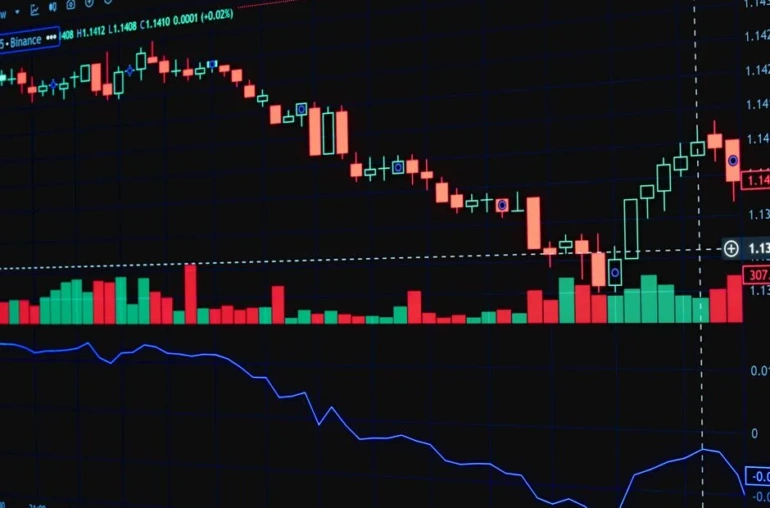
The reported $6.3 billion hack involving Binance has quickly become more than a major cryptocurrency security story. Described as the largest crypto heist on record, the incident has intensified debate over exchange security, regulatory oversight, and the political responsibilities of the administration ahead of the election.
While investigators and industry experts work to establish what happened, political and administrative figures have already begun using the incident to support competing narratives. Some see the hack as evidence that digital assets remain dangerously underregulated. Others argue that the event reflects weaknesses in a specific platform or security process rather than a failure of the entire crypto sector.
Why the Binance Hack Matters
A loss of $6.3 billion would represent an extraordinary event for the cryptocurrency industry. Crypto exchanges hold large volumes of digital assets and operate across multiple jurisdictions, making them attractive targets for sophisticated attackers. A successful breach can affect not only the exchange involved, but also users, institutional investors, market makers, and confidence in the wider ecosystem.
The scale of the reported theft also raises several important questions. Investigators will need to determine how the attackers gained access, whether customer assets were directly affected, and how quickly the exchange detected and contained the breach. They will also examine whether internal controls, wallet management procedures, employee access, or third-party systems played a role.
Until those questions are answered, early claims should be treated carefully. Major cyber incidents often generate conflicting figures in their initial stages, particularly when different parties calculate losses using different asset prices, include attempted transfers, or count assets that were frozen before they could be moved.
Politics Enters the Conversation
The timing of the incident has added another layer of tension. With an election approaching, political figures have an incentive to frame the hack in ways that reinforce their existing positions. Critics of the administration may present the breach as proof that regulators failed to protect consumers. Supporters, meanwhile, may argue that the attack demonstrates the need for clearer rules and stronger cooperation between public agencies and private companies.
Some officials and political commentators have also attempted to use the incident to score broader points about the future of digital finance. The debate can quickly shift from technical facts to familiar arguments over whether cryptocurrencies promote innovation or create unnecessary financial risks.
This kind of political reaction is not unusual after a major cyberattack. High-profile incidents create pressure for immediate explanations, but they can also encourage speculation before forensic work is complete. Statements made during an election campaign may attract attention, even when they are not supported by verified evidence.
What the Incident Could Mean for Regulation
A hack of this magnitude could renew calls for tougher standards across the crypto industry. Regulators may focus on requirements covering custody, reserve management, cybersecurity testing, incident reporting, and the separation of customer assets from company funds.
Exchanges may also face pressure to provide clearer information about how digital assets are stored. Cold-storage arrangements, multi-signature approvals, withdrawal controls, and real-time monitoring are among the measures commonly used to reduce the risk of unauthorized transfers. None of these protections is perfect, but strong security depends on multiple layers working together.
For customers, the incident is another reminder that using a crypto exchange involves more than simply opening an account. Users should understand how assets are protected, review account security settings, enable multifactor authentication, and be cautious of messages requesting passwords, recovery phrases, or urgent transfers.
A Test of Market Confidence
News of a major breach can cause sharp price movements even when the affected assets are not immediately identified. Traders may react to uncertainty by reducing exposure, while investors wait for information about withdrawals, reserves, and possible reimbursement plans. Smaller platforms can also experience indirect pressure if users move funds to wallets or services they consider safer.
For Binance, the response will be closely watched. Transparency, regular updates, independent investigations, and a clear explanation of the recovery process will be essential to limiting further damage. The company’s handling of the event may influence how users and regulators judge its broader risk-management practices.
The Need for Facts Before Conclusions
The reported Binance hack is serious, but its long-term significance will depend on verified findings rather than political rhetoric. A careful investigation should establish the actual amount lost, identify the attack method, explain whether customer funds were affected, and clarify which safeguards failed.
As election campaigning continues, the incident will likely remain part of a larger argument over financial innovation and government oversight. The most useful outcome would be a fact-based discussion that improves security standards without relying on exaggerated claims. For the crypto industry, trust will not be restored through slogans; it will depend on accountability, transparency, and demonstrably stronger protection for users.
Related read: Binance Hackers Raced to Convert Stolen Stablecoins Before Billions Could Be Frozen