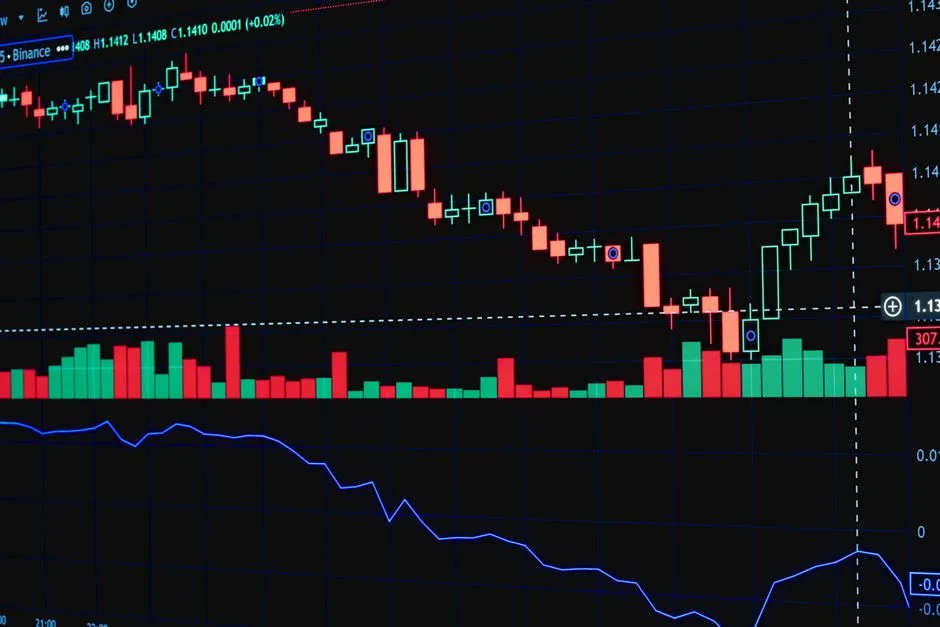
Bitcoin has entered a technically fragile phase after confirming a weekly candle close below its 200-week moving average. That may sound like a line on a chart, but for long-term investors and traders, it is one of the most meaningful signals in the crypto market. It suggests that the multi-year uptrend that began after the 2020 bear market may be losing momentum, and that the market is now entering a phase where downside risk needs to be taken seriously.
The comparison with 2022 is difficult to ignore. Back then, Bitcoin also broke below long-term trend support, entered a prolonged period of weakness, and forced many participants to rethink their assumptions about the market. While no two cycles are identical, the repetition of key technical failures tends to shape trader behavior, liquidity, and sentiment in predictable ways. This week, the focus is not just on where price is trading, but on what the breakdown implies for the next several sessions and possibly the next several months.
1. The 200-week average is more than a technical level
The 200-week moving average is a long-term trend filter. It smooths out short-term noise and gives traders a broad view of whether the asset is in a bullish or bearish structural phase. When Bitcoin stays above it, the market tends to treat dips as buying opportunities. When it closes below it, the narrative shifts: dips may now be viewed as weakness, and rallies may be treated as relief moves rather than the start of a new uptrend.
In practical terms, this level acts as a psychological and technical anchor. Institutions, trend followers, and long-term holders all use it in some form. A confirmed weekly close below the line is important because it is not just a momentary wick or intraday volatility. It suggests that sellers controlled the week’s closing price, which gives the signal more weight than a brief dip would.
2. The 2022 parallel is raising caution among traders
One of the biggest themes this week is the resemblance to 2022. During that period, Bitcoin fell out of a long-term uptrend, struggled to find durable demand, and entered a bear market that tested the nerves of many participants. The warning now is not that 2022 will repeat exactly, but that the market may be entering a similar phase of lower highs, reduced liquidity, and greater sensitivity to negative news.
When traders see a familiar pattern, they often adjust their risk quickly. That can amplify moves. If more participants begin treating Bitcoin as a downtrend asset rather than a long-term accumulation asset, selling pressure may increase at resistance levels. In other words, the technical breakdown can become a self-reinforcing story, especially if macro conditions or crypto-specific news do not provide a fresh catalyst for buying.
3. Downside risk is now the dominant conversation
With the 200-week average lost, traders are increasingly focused on what could happen next if Bitcoin continues to drift lower. The immediate concern is that the market may test older support zones, where demand previously emerged during earlier phases of the cycle. If those areas fail to attract buyers, the path of least resistance could tilt further south.
This does not mean a crash is guaranteed. Bitcoin has a history of violent rebounds, and short-term price action can be choppy for weeks or even months after a major level breaks. However, the risk-reward profile has changed. Traders who were willing to buy dips earlier in the trend may now be more selective, waiting for clearer signs of stabilization before adding exposure.
4. Sentiment and positioning matter more than usual
A key part of this week’s story is not just price, but how participants are positioned. When a long-term trend line breaks, leveraged traders often face margin calls, and underperforming portfolios may create forced selling. That can turn a technical event into a broader risk-off move across crypto markets.
At the same time, sentiment can become overly pessimistic. If the market starts pricing in a full 2022-style bear market too early, it may create opportunities for counter-trend moves. The most important question is whether sellers remain in control at key weekly closes. Until Bitcoin can reclaim the 200-week average or show a strong, sustained reversal, caution is likely to remain the dominant theme.
5. What traders should watch this week
For this week, the market should be watched for three things: whether Bitcoin can hold current support, whether volume confirms the selling, and whether broader risk assets are moving in the same direction. A weak weekly close with rising volume would strengthen the bearish case. A sharp rebound that fails to hold would also be important, because it could indicate that rallies are
Related read: Gen Z Favors ETFs and Trades Less: What Binance Data Reveals About the Next Generation of Investors