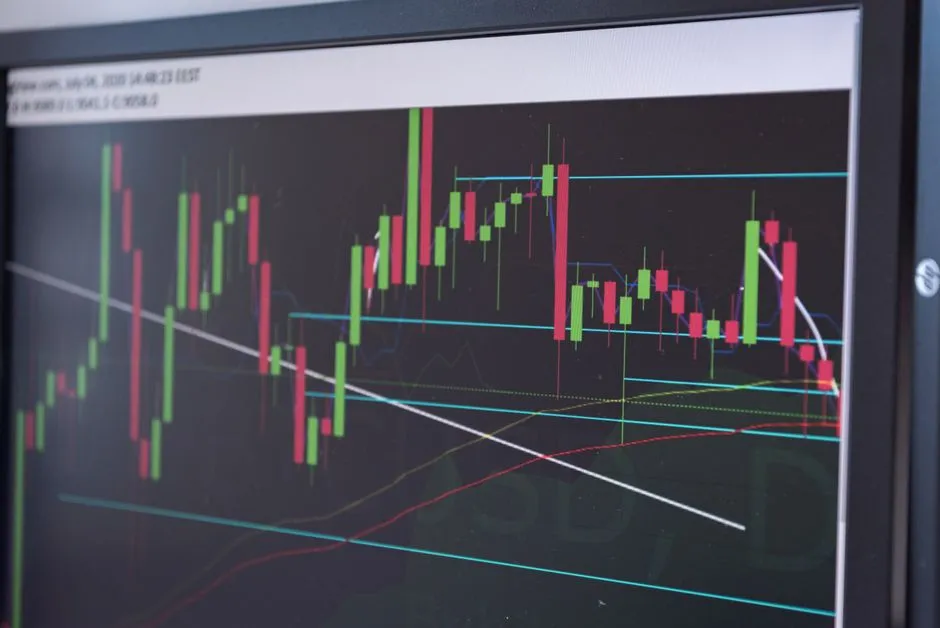
Bitcoin has slipped below the psychologically important $80,000 mark, sending a fresh wave of caution through the cryptocurrency market. The decline pushed the leading digital asset to its weakest level in more than a month, capping a weekend in which crypto prices came under broad pressure. The move is another reminder that, despite its long-term narrative as a technology-driven asset, Bitcoin remains closely tied to global risk sentiment, macroeconomic conditions, and sudden geopolitical developments.
Why Bitcoin’s Slide Matters
When Bitcoin trades below a major round number, it often triggers attention from both retail traders and larger market participants. The $80,000 level has become a reference point for sentiment, and losing it can create a cascade of technical selling, stop losses, and risk-reduction moves. For many investors, the drop is not only about the price itself, but about what it signals for the broader crypto market.
Bitcoin’s recent weakness suggests that investors are less willing to absorb uncertainty. Even when the crypto market has shown signs of resilience, it can quickly turn defensive if external pressures intensify. In this case, the weekend move appears linked to heightened concerns surrounding U.S. Middle East evacuations, reinforcing the idea that geopolitical risk can move digital assets quickly, especially when liquidity is thinner outside regular trading hours.
Geopolitical Risk and Crypto’s Risk-Off Dynamic
Crypto markets have often behaved like high-beta assets, meaning they tend to amplify moves seen in equities, commodities, and other risk instruments. When uncertainty rises, traders may reduce exposure to volatile assets and move into perceived safe havens such as cash, gold, or certain government debt. Bitcoin, despite occasional “digital gold” comparisons, frequently behaves more like a speculative technology asset rather than a reliable crisis hedge.
The mention of U.S. Middle East evacuations adds a layer of concern because it suggests that geopolitical tensions may not remain abstract. Markets dislike ambiguity. When news points to possible escalation, displaced populations, or increased strain on diplomatic and military resources, investors tend to price in a wider range of outcomes. That is especially true for crypto, where sentiment can shift rapidly and trading volumes can be uneven across the weekend.
Weekend Trading Adds Fragility
Weekend price action often carries a different character than weekday moves. Traditional financial markets are less active, order books can be thinner, and news can propagate without the usual institutional absorption. For crypto, which trades nearly around the clock, this can make weekend declines feel sharper and more immediate.
- Lower liquidity can make price moves more volatile.
- News-driven selling may occur before broader market confirmation.
- Leveraged positions can amplify short-term pressure.
- Risk appetite may remain subdued until geopolitical clarity improves.
As a result, a weekend dip can set the tone for the following week. If traders return to more active markets with renewed caution, the pressure on Bitcoin may persist. Alternatively, if the geopolitical backdrop stabilizes and risk sentiment improves, the market could recover quickly. That unpredictability is one of the defining features of crypto investing.
What Broader Market Participants Are Watching
Investors are likely focused on several factors as they assess whether this decline is a short-term correction or the start of a longer adjustment period. First, they are watching whether Bitcoin can reclaim key support levels and show signs of demand at lower prices. A quick recovery could suggest that the selloff was driven more by fear than by a structural shift in buying interest.
Second, traders are monitoring the performance of altcoins and other risk assets. If the broader crypto market sells off alongside Bitcoin, that would point to a general risk-off mood. If smaller cryptocurrencies hold up better, it may indicate that some investors are rotating rather than exiting entirely. However, in periods of stress, correlation often increases, meaning many assets move together regardless of their individual fundamentals.
Third, macroeconomic data and interest rate expectations remain relevant. Crypto prices are sensitive to the outlook for liquidity, inflation, and global growth. Even when geopolitical headlines dominate the short-term narrative, macro conditions can determine how long a trend lasts. If investors believe that monetary conditions will remain supportive, they may be more willing to buy dips. If the outlook becomes more uncertain, price weakness can deepen.
The Role of Investor Sentiment
Sentiment is a powerful force in crypto markets. A drop below a major level can trigger fear, but it can also attract opportunistic buyers who see the move as a discount. The key question is whether the selling is coming from long-term holders reducing exposure or from speculative traders managing risk. Without a clear catalyst other than geopolitical pressure and weaker risk appetite, the market may remain choppy as participants wait for more information.
This creates a difficult environment for traders. Those holding long-term may view the decline as normal volatility, while shorter-term participants may focus on downside risk and position sizing. In markets like crypto, patience and risk management often matter more than predicting the next move. The most important lesson is that even the strongest assets can experience meaningful drawdowns when the broader environment turns uncertain.
What Could Happen Next
From here, Bitcoin’s path will likely depend on the interaction between technical factors and external news. If the market sees continued de-escalation or a lack of further negative developments, the pressure could ease and prices may stabilize. If geopolitical concerns intensify, crypto could remain under additional stress, with volatility likely to remain elevated.
For investors, the current move is a reminder that crypto does not exist in isolation. It responds to technology, regulation, and adoption, but it also responds to war fears, policy shifts, and global risk sentiment. The fact that Bitcoin has fallen to its weakest level in over a month shows that even after periods of strength, the market can reset quickly when confidence wavers.
Final Thoughts
Bitcoin’s slide below $80,000 highlights the ongoing tension between crypto’s long-term ambition and its short-term vulnerability to global events. The weekend pressure, driven in part by concerns around U.S. Middle East evacuations, underscores how quickly risk sentiment can change when uncertainty rises. For now, the market appears to be in a defensive mode, with investors cautious, volatility elevated, and sentiment fragile. Whether this becomes a brief pause or a deeper correction will depend on how geopolitical risks evolve and whether buyers step in to defend key levels. In an uncertain environment, the market’s message is clear: crypto may offer high upside potential, but it also demands disciplined risk management and a realistic understanding of how external forces can shape price action.
Related read: China Targets 2030 for National Blockchain Network Buildout: What It Means for Trade and Manufacturing