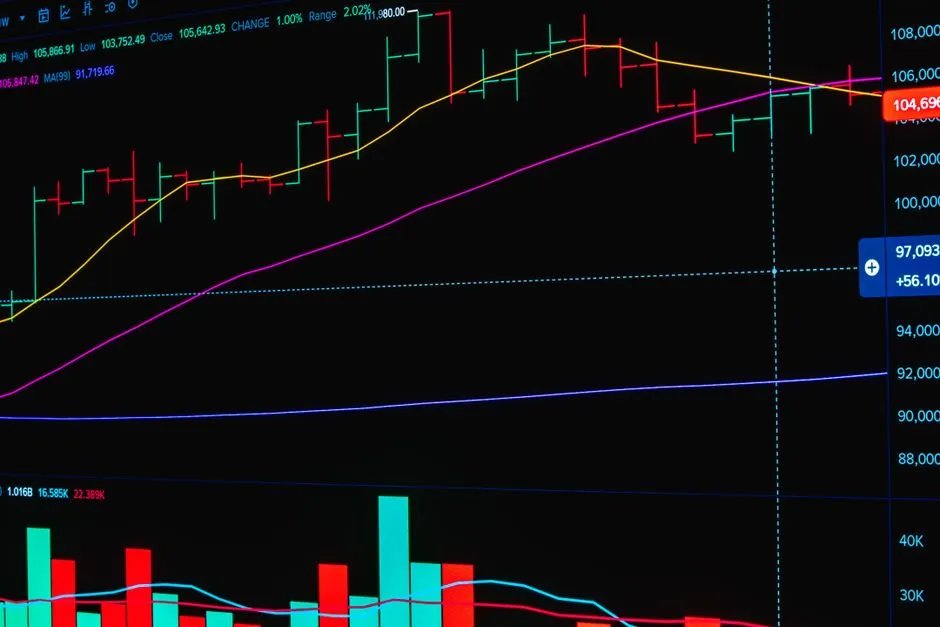
Prediction markets are entering a broader phase as traders look beyond sports and toward financial assets such as bitcoin, gold, and oil. Robinhood says these markets are among its fastest-growing areas, signaling rising interest in event-based trading tied to the global economy and digital assets.
The development reflects a wider shift in how people engage with markets. While sports prediction contracts helped introduce many users to the concept, financial markets offer a different kind of opportunity. They allow participants to express views on major economic developments, commodity prices, and cryptocurrency movements through straightforward yes-or-no outcomes.
Robinhood Traders Are Moving Beyond Sports
Sports have traditionally been one of the most visible applications of prediction markets. Participants can take positions on the outcome of a game, tournament, or other event. However, Robinhood’s head of futures and prediction markets says interest is increasingly spreading into financial topics.
Bitcoin, gold, and oil contracts are reportedly among the fastest-growing prediction markets on the platform. These assets attract attention because they are widely followed, highly discussed, and influenced by major global events. Changes in interest rates, inflation expectations, geopolitical tensions, energy demand, and investor sentiment can all affect the outlook for these markets.
For traders, financial prediction contracts may offer a simpler way to take a position on a specific outcome without using traditional futures or options strategies. Instead of building a complex trade, a participant may focus on whether an asset will reach a particular level or whether a defined event will occur within a set period.
Why Bitcoin Is a Natural Fit for Prediction Markets
Bitcoin is especially suited to event-based trading because of its constant news cycle and pronounced price volatility. The cryptocurrency market operates around the clock, and its price can respond quickly to regulatory announcements, institutional activity, macroeconomic data, and changes in risk appetite.
That volatility creates both interest and risk. Traders may be drawn to bitcoin prediction contracts because they provide a direct way to express a short-term view. At the same time, rapidly changing prices can make outcomes difficult to forecast. A contract that appears likely to settle in one direction can change quickly when new information enters the market.
Bitcoin prediction markets also show how digital assets are becoming connected to more mainstream financial products. Rather than trading cryptocurrency directly, some users may prefer an event-based contract that limits the trade to a particular question and timeframe.
Gold and Oil Bring Traditional Markets Into the Mix
Gold and oil broaden the appeal of prediction markets beyond the crypto sector. Gold is often viewed as a defensive asset and can attract demand during periods of economic uncertainty, inflation concerns, or geopolitical stress. Oil, meanwhile, is closely linked to global growth, transportation, industrial activity, supply decisions, and international events.
Because these commodities are familiar to investors, they may help make prediction markets more accessible to people who are not interested in sports contracts or who want exposure to traditional financial themes. A participant may have a view on the direction of energy prices or the strength of gold without wanting to open a conventional commodities trading account.
How Financial Prediction Markets Work
Financial prediction markets generally revolve around clearly defined outcomes. A contract might ask whether an asset will rise above or fall below a stated level by a specified date. The market price can then reflect the collective expectations of participants.
These products are not the same as simply buying an asset. A direct investment in bitcoin, for example, gives the holder exposure to the asset itself. A prediction contract is tied to a specific outcome and settlement period. Once the contract expires, its value depends on whether the stated condition was met.
This distinction is important for anyone considering these markets. Users should understand the contract terms, settlement rules, potential fees, and maximum possible loss before participating. Short-term contracts can be particularly sensitive to timing, market fluctuations, and unexpected news.
What the Growth Means for the Broader Market
The rising popularity of financial prediction markets suggests that traders are looking for more flexible ways to express market opinions. It may also indicate that the boundaries between traditional investing, derivatives, and event-based trading are becoming less distinct.
For platforms such as Robinhood, expanding into bitcoin, gold, and oil could increase engagement while giving users more ways to participate in financial markets. For the industry, the trend may encourage additional innovation in products linked to economic indicators, commodities, interest rates, and digital assets.
However, growth will also bring greater attention to regulation, transparency, and investor protection. Prediction markets must clearly communicate how contracts function and ensure that users understand the risks. A product that appears simple on the surface can still involve substantial financial consequences.
A New Chapter for Event-Based Trading
Robinhood’s reported growth in bitcoin, gold, and oil prediction contracts shows that event-based trading is no longer limited to sports. Financial assets provide a natural next step because they generate constant news, strong public interest, and measurable outcomes.
Whether this trend becomes a lasting part of retail finance will depend on user demand, product design, regulation, and how responsibly these markets are presented. For now, the movement suggests that traders are increasingly interested in turning views on the economy, commodities, and cryptocurrency into direct market positions.
Related read: New York AG Seeks $1.37 Billion From NovaTech Founders in Ponzi Scheme Recovery