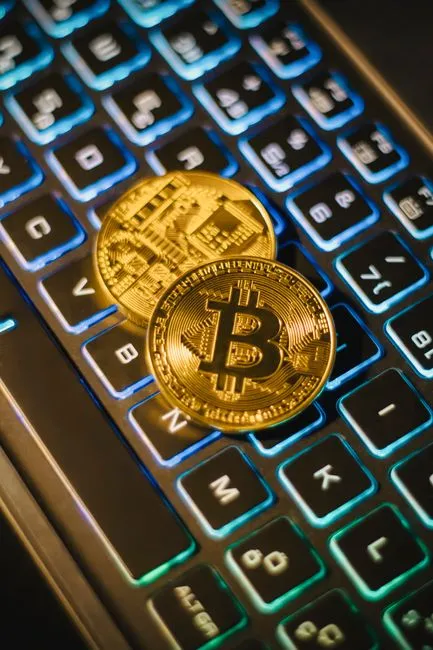
CoinDCX Rejects Claims of a Major Wallet Breach
India-based cryptocurrency exchange CoinDCX has denied reports that its active wallets were hacked after blockchain investigators identified approximately $16 million in suspicious outflows from addresses associated with the platform.
The unusual transactions quickly attracted attention from crypto security researchers, who monitor public blockchain activity for signs of unauthorized transfers, compromised wallets, and suspicious fund movements. Because blockchain transactions are visible and permanent, large transfers from addresses linked to a major exchange can raise immediate concerns—even when the underlying activity may ultimately have a legitimate explanation.
CoinDCX’s response indicates that the exchange does not believe its active wallets were compromised. The company has pushed back against the interpretation that the identified outflows represent a successful attack, although the transactions have continued to prompt questions from members of the crypto community.
Why the Transactions Raised Concerns
Crypto exchanges routinely move digital assets between hot wallets, cold storage, custody providers, and internal operational addresses. These transfers can support liquidity management, settlement, treasury operations, or security procedures. However, large and unexpected movements can look similar to the early stages of a wallet exploit.
In this case, blockchain sleuths reportedly connected the addresses involved in the $16 million in outflows to CoinDCX. Once those transfers were identified, observers began examining the transaction patterns, destination wallets, and timing to determine whether the funds had been stolen or were being repositioned as part of normal exchange operations.
The challenge is that wallet ownership is not always publicly confirmed. Analysts often rely on transaction history, address clustering, exchange labeling, and patterns observed over time. These methods can be useful, but they are not infallible. An address associated with an exchange may belong to a third-party custodian, a temporary wallet, or a service provider rather than the exchange’s primary operational infrastructure.
CoinDCX’s Position
CoinDCX has denied that its active wallets were hacked. That distinction is important because not every suspicious-looking transfer indicates that customer funds or exchange systems were compromised.
An exchange may transfer assets for several reasons, including:
- Rebalancing funds between operational and reserve wallets
- Moving assets to improve custody and security arrangements
- Supporting withdrawals or liquidity requirements
- Consolidating balances across blockchain networks
- Working with external custodians or institutional partners
- Responding to internal risk-management procedures
Without a confirmed security incident, detailed exchange disclosures, or evidence that customer balances were affected, it is difficult to determine the exact purpose of the reported transfers from blockchain data alone.
Why Exchange Wallet Transparency Matters
The incident highlights the growing importance of transparency in the digital-asset industry. Cryptocurrency exchanges manage substantial customer funds, and users increasingly expect clear information about how those assets are stored, monitored, and moved.
When large transactions appear without an immediate explanation, uncertainty can spread quickly. Social media posts and blockchain alerts may reach thousands of users before an exchange has time to complete an investigation or publish a formal statement. That can contribute to unnecessary panic, particularly in an industry where confidence and liquidity are closely connected.
At the same time, independent blockchain monitoring plays an important role. Public scrutiny can help identify unusual activity quickly and may encourage exchanges to improve reporting standards. The key is to distinguish between an alert and a confirmed breach. A flagged transaction should prompt investigation, but it should not automatically be treated as proof of theft.
What Users Should Watch Next
CoinDCX users will likely be paying close attention to several developments. These include whether withdrawals and deposits continue normally, whether the exchange publishes additional details about the wallet movements, and whether independent security firms confirm or challenge the company’s explanation.
Users should also be cautious about unverified claims circulating online. During a suspected crypto incident, scammers often impersonate exchanges, investigators, or support teams. They may ask users to transfer assets, share private keys, reveal passwords, or connect wallets to unfamiliar applications. Legitimate exchanges will never require customers to disclose seed phrases or private keys.
For individual investors, basic security practices remain essential. Using strong, unique passwords, enabling two-factor authentication, checking withdrawal addresses carefully, and keeping long-term holdings in appropriate self-custody arrangements can reduce exposure to exchange-related risks. Users should also avoid making rushed decisions based solely on anonymous social media posts or incomplete transaction data.
A Reminder About Interpreting Blockchain Data
The reported $16 million in outflows demonstrates both the power and limitations of blockchain analysis. Public ledgers make it possible to track movements that would remain invisible in traditional financial systems, but transaction visibility does not always reveal intent.
Determining whether funds were stolen requires more than identifying a large transfer. Investigators typically need to examine wallet control, authentication records, destination addresses, asset recovery efforts, and whether customer accounts or exchange infrastructure were affected. Until that information is available, the precise nature of the CoinDCX-related transactions remains a matter of investigation rather than a confirmed hack.
For now, CoinDCX’s denial provides an important counterpoint to the initial reports from blockchain sleuths. The episode underscores the need for timely communication, careful analysis, and responsible reporting whenever unusual crypto transactions appear. As the situation develops, verified statements and technical evidence—not speculation—will be essential for determining whether the outflows were routine operational transfers or signs of a deeper security problem.
Related read: Coinbase Ireland Faces $3.6 Million Fine From Irish Central Bank Over Fund Safeguarding Failures