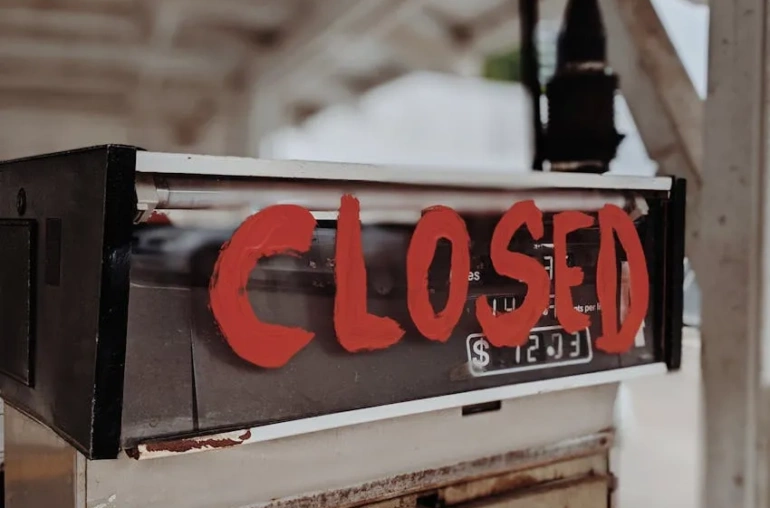
Router Protocol has issued a significant update that could reshape how its ecosystem operates going forward: the project plans to shut down and burn approximately 303 million ROUTE tokens. At first glance, that may sound like a simple maintenance announcement, but in crypto, shutdowns and token burns are rarely ordinary events. They usually signal a major shift in strategy, infrastructure, or token economics.
For holders, developers, and on-chain users, the move raises important questions. What happens to the token after the burn? Does the protocol continue to exist in some form? How will liquidity, staking, and governance be affected? And what does this mean for the broader market? Below is a closer look at what the update implies and why it deserves attention.
What the Shutdown and Token Burn Mean
When a protocol says it is shutting down and burning its tokens, it typically means the team is choosing to reduce the usable token supply and wind down certain operations. Burning tokens removes them from circulation, usually by sending them to an address that can no longer be accessed. In practical terms, this can reduce total supply and, depending on demand, potentially alter the token’s scarcity profile.
In Router Protocol’s case, the scale of the burn is notable. Burning 303 million ROUTE tokens is not a minor adjustment. It suggests that the team is not simply tweaking a parameter or pausing a feature. Instead, it appears to be executing a broader transition, possibly to simplify the network, retire outdated infrastructure, or redirect users toward a new path.
Why Projects Shut Down or Restructure
1. Removing Redundancy
Crypto projects often experiment with new features, bridges, liquidity pools, and token utilities. Over time, some of those features become redundant, inefficient, or no longer aligned with the project’s direction. A shutdown can be a way to clean up the ecosystem and reduce complexity for users.
2. Protecting User Experience
Another reason is to prevent confusion. If a protocol continues to run legacy components while migrating to a new system, users may face fragmented liquidity, unclear instructions, or unnecessary risk. A controlled shutdown can make the transition cleaner and more predictable.
3. Adjusting Token Economics
Token burns are often used to rebalance supply and demand. If a token has a large circulating supply but limited active use, reducing supply can make the remaining tokens more meaningful. However, a burn alone does not guarantee price appreciation. It must be paired with real demand, active users, and clear utility.
What Users Should Watch Next
While the announcement is important, the implementation matters even more. Users should pay close attention to a few key areas in the coming days and weeks.
- Official communication channels: Any major shutdown should be accompanied by clear documentation, timelines, and support resources. Users should rely on official project statements rather than rumors.
- Token migration details: If ROUTE holders can move to a new token, a different protocol, or a new system, the process needs to be transparent. Deadlines, fees, and compatibility issues should be clearly explained.
- Liquidity and exchange support: A token burn and shutdown can affect trading pairs, market depth, and withdrawal processes. Users should monitor major exchanges and decentralized platforms to ensure they can access their assets.
- Smart contract changes: If the protocol is deactivating contracts or burning tokens through technical operations, users should verify that the process is secure and properly documented.
What This Means for the Broader Crypto Market
Router Protocol’s decision is also a reminder that crypto projects are not permanent in the way traditional companies often are. Networks can evolve, merge, sunset, or restructure. In many cases, that is a sign of maturity rather than failure. The most important question is not whether a project changes, but whether it communicates clearly and protects its users during the transition.
For the broader market, a burn of this size may create short-term attention around the ROUTE token. Traders, analysts, and community members will likely debate whether the move is bullish, neutral, or a signal of deeper operational issues. The answer may not be immediate. Token economics can shift quickly, but real value usually depends on usage, liquidity, and trust.
Final Thoughts
Router Protocol’s plan to shut down and burn 303 million ROUTE tokens is a major development that goes beyond a simple supply adjustment. It suggests a deliberate restructuring of the project, with potential implications for token holders, liquidity providers, and the wider ecosystem. For users, the key is to stay informed, follow official guidance, and avoid making rushed decisions based on speculation.
If the transition is handled transparently and efficiently, the move could help simplify the protocol and give the remaining token supply a clearer role. If not, it could create friction, uncertainty, or reduced confidence. Either way, this is one of those updates that deserves more than a quick skim. The details of how the shutdown unfolds will likely matter more than the headline itself.
Related read: Router Protocol Shutdown Explained: What the 303M ROUTE Token Burn Means for Holders