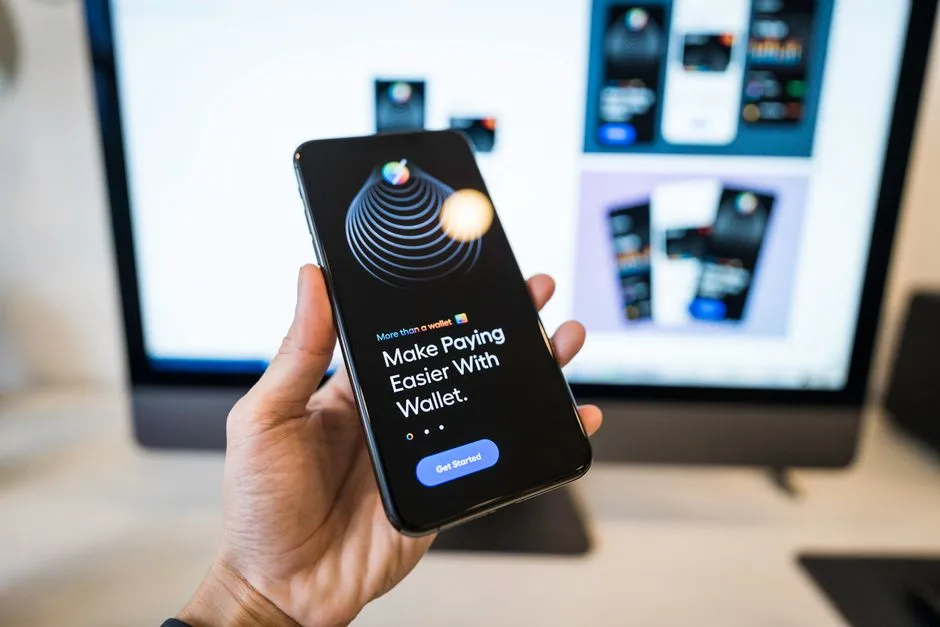
MoonPay has introduced a new payment product called PayBox, a tool built to bring crypto transactions directly into the flow of Grok AI chatbot conversations. The move is notable because it places payment inside one of the fastest-growing user interfaces in tech: the conversational AI experience. Instead of requiring users to leave a chat, open a wallet, search for a merchant, and complete a checkout separately, PayBox is designed to let the payment step happen where the user is already engaged, inside the AI conversation itself.
That shift sounds small, but it could be meaningful. For a long time, crypto payments have been associated with friction. Users often have to manage multiple apps, copy addresses, confirm network fees, and navigate interfaces that can feel technical. Even with the rise of stablecoins and faster payment rails, the user experience has not always been simple enough for mainstream adoption. PayBox attempts to remove some of that friction by embedding the transaction into a familiar chat-based workflow.
What PayBox Is and Why It Matters
PayBox is essentially a payment layer that connects crypto transactions to AI-driven interactions. In practical terms, this means that when a user is chatting with Grok, they may be able to complete a crypto payment without being pushed out of the conversation. The idea is to make the payment feel like a natural continuation of the dialogue, rather than a separate, technical task.
This matters because AI assistants are becoming more than answer engines. They are starting to act as service layers. Users are not only asking questions; they are also requesting recommendations, comparing options, planning purchases, and managing tasks. If an AI assistant can help a user decide what to buy and then also help them pay for it, the gap between intent and action becomes much smaller.
For MoonPay, the launch also fits its broader role in the crypto economy. The company has long been known for helping users move between fiat currency and digital assets. By extending that capability into AI chat environments, MoonPay is positioning itself not just as an on-ramp or off-ramp provider, but as a payments infrastructure company that can participate in newer digital workflows.
From Checkout to Conversation
The most interesting part of this launch is the move from checkout to conversation. Traditional e-commerce has spent years refining checkout pages, shopping carts, and payment forms. But AI chatbots are introducing a different model. In a chat, the user does not navigate a menu. They express intent in language, and the system responds with options, summaries, or actions.
If payments can be completed inside that same environment, the experience becomes more fluid. A user could ask for a product, compare options, confirm details, and then authorize a payment in a sequence that feels closer to a service interaction than a traditional online purchase. That kind of flow may be especially useful in scenarios where the user is not actively shopping on a website but is instead relying on an assistant to help them make a decision.
This also suggests that future payment experiences may be less about buttons and more about intent. Instead of a user clicking through a series of screens, the interaction could be driven by prompts, confirmations, and context understood by the AI system.
How the Grok Integration Changes Crypto Payments
The Grok angle is particularly interesting because it places crypto payments inside a widely used conversational AI product. Grok is not just a niche developer tool. It is a consumer-facing assistant that people use for questions, research, and everyday tasks. Integrating payments into that kind of environment could make crypto feel less like a separate asset class and more like a usable method of exchange.
There are a few important implications here:
- Lower friction: Users do not need to switch apps or interrupt their workflow to complete a payment.
- Context-aware payments: The payment can be tied directly to what the user was discussing or deciding.
- Broader exposure: Mainstream AI users may encounter crypto payments in a more natural setting.
- New distribution channels: Payments can be triggered inside conversations, not just websites or stores.
That last point is significant. If AI assistants can serve as discovery and decision tools, they can also become distribution channels for payments. In other words, the place where a user decides to buy something may also become the place where they pay for it.
What This Means for Businesses and Users
For Buyers
For users, the biggest benefit is simplicity. If someone already has crypto assets or wants to use them for a transaction, having the ability to pay inside a familiar chat interface reduces the steps involved. That can be especially appealing for younger, digital-native users who are comfortable with AI tools and expect digital services to be seamless.
It could also make crypto payments more practical for everyday use. When the payment process is embedded into a conversation, it becomes less of a technical event and more of a routine action. That is one of the key hurdles for crypto adoption: the technology needs to disappear into the background so users can focus on the task, not the payment mechanics.
For Merchants and AI Platforms
For businesses, the integration opens the door to new ways of reaching customers. If a merchant can appear inside an AI assistant’s recommendations and also accept payment in the same environment, the path from discovery to purchase becomes shorter. That could improve conversion rates for digital goods, subscriptions, services, and other products that are easy to deliver electronically.
For AI platforms, adding payment capability increases the commercial value of the assistant. A chatbot that can only provide information is useful, but a chatbot that can also help users act on that information becomes more powerful. Payments are one of the clearest examples of that shift, because they connect advice directly to execution.
Potential Challenges and Open Questions
Despite the promise, there are still important questions. One of the biggest is trust. Users need to feel confident that a payment initiated inside a chatbot is secure, transparent, and fully under their control. That means clear confirmations, visible transaction details, and strong safeguards against mistakes or unauthorized actions.
Regulatory considerations also matter. Crypto payments are subject to a patchwork of rules depending on jurisdiction, and AI-driven transactions may raise additional questions around consumer protection, authorization, and compliance. As these products expand, developers will need to balance convenience with responsible design.
There is also the issue of volatility. While stablecoins and other payment-oriented assets may make crypto transactions more practical for everyday spending, users still need to understand what they are paying and when. If the experience is too seamless, it could also become too easy to make a mistake.
Why This Launch Fits a Larger Trend
MoonPay’s PayBox launch is not happening in isolation. It fits into a broader movement where payments are becoming more embedded, agent-driven, and context-aware. We are already seeing early signs of AI systems helping users manage finances, compare options, and even take action on their behalf. The next step is for those systems to handle payments more directly.
This also aligns with the growing role of stablecoins and onchain payment rails. As digital assets become more practical for real-world transactions, the interfaces that support them need to evolve as well. A chatbot is one of the most natural places for that evolution to happen, because it can understand intent, explain options, and guide the user through a transaction in plain language.
In that sense, PayBox is less about a single product feature and more about a signal: crypto payments are moving closer to the center of everyday digital interactions.
Final Thoughts
MoonPay’s launch of PayBox inside Grok AI chats is an important step in making crypto payments feel less technical and more conversational. By placing transactions directly inside an AI workflow, the company is testing a model where payment is not a separate destination but part of an ongoing interaction. If executed well, this could lower friction, expand access, and help normalize crypto as a usable payment method rather than just a speculative asset. The next few months will be telling. The real question is not whether embedded payments are possible, but whether users will trust them enough to make them a regular part of how they spend.
Related read: XRP Traders Watch Market Rotation as Net Short Position Reaches 115.7 Million Tokens