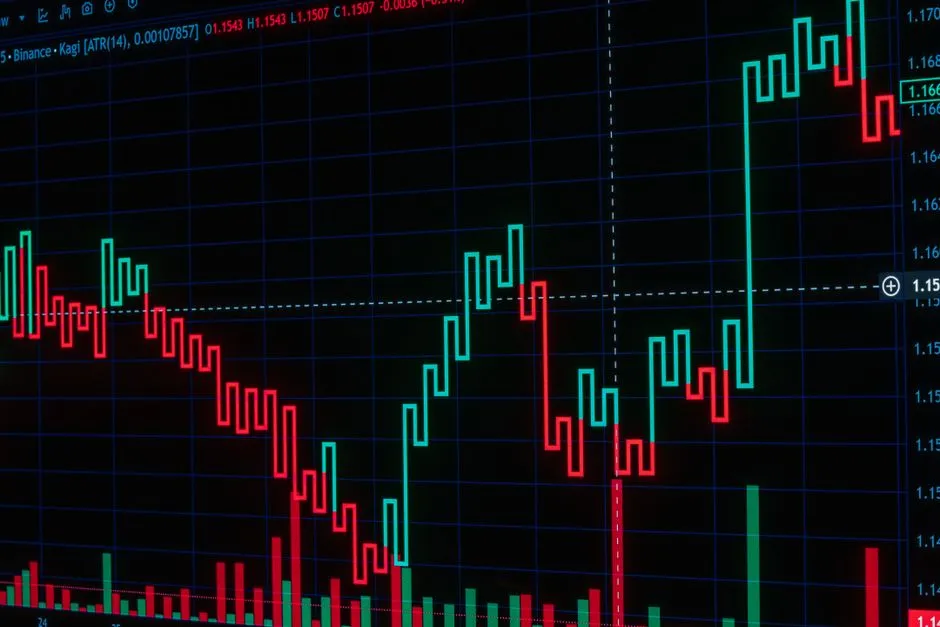
Bitcoin has slipped to around $62,500, extending a weak stretch that has pushed the leading cryptocurrency toward new August lows. The move is notable because it arrives even as US inflation data comes in softer than feared and equity markets continue to hover near all-time highs. In other words, Bitcoin is not behaving like a simple macro hedge or a clean risk-on asset at this moment. Instead, it looks vulnerable to positioning, momentum, and short-term technical triggers.
A trader warning that a weak weekly close could spark more losses adds to the concern. In crypto markets, weekly closes often matter because they set the tone for algorithmic strategies, trend-followers, and traders managing risk over longer time frames. If Bitcoin closes the week below a key support area, the next leg lower may not be a slow bleed. It could become a fast, mechanical move as stop-losses, liquidations, and fear-driven selling pile on.
Why Bitcoin Is Falling Despite Positive Inflation Data
Positive inflation trends usually sound good for risk assets. Lower inflation can ease pressure on central banks, reduce fears of aggressive tightening, and support valuations across stocks, bonds, and speculative assets. Yet Bitcoin has not shown much gratitude for the data. The reason may be that the market is not currently pricing in a macro relief rally. Instead, it may be focused on more immediate forces: profit-taking, crowded trades, weak momentum, and a lack of fresh demand.
Stocks circling all-time highs also complicate the picture. When equity indices are strong, investors may feel less urgency to chase crypto. Capital can remain in equities, ETFs, and other liquid risk assets, leaving Bitcoin without the bid it might need to break higher. At the same time, if the broader market eventually stumbles, Bitcoin could be dragged down with it because it often trades in the same risk-on, risk-off cycle as other speculative assets.
The Importance of the Weekly Close
The $62,500 level is psychologically important. Round numbers tend to attract attention, and the drop below nearby levels may have made the market feel less stable. From a technical perspective, the concern is not just the price level itself, but what happens around the weekly close. If the week ends near the lows, it can confirm that sellers are in control. That kind of weekly candle often becomes a reference point for traders who are deciding whether to add to positions, reduce exposure, or wait for a cleaner setup.
A weak weekly close could also matter for derivatives markets. In crypto, leverage is a double-edged sword. It can create strong upside moves, but it can also accelerate downside moves when positions are crowded. If many traders are long above a certain level, a break lower can trigger liquidations. Those liquidations can push the price further down, which in turn triggers more liquidations. That feedback loop is one reason a trader warning about a weekly close should not be dismissed lightly.
Key Levels to Watch
There are a few areas that may become important in the coming sessions:
- The $62,000 to $62,500 zone could act as near-term support. If buyers step in here, the market may attempt to stabilize and test higher levels.
- A break below that zone could open the door to lower support, possibly in the low $60,000s or even the high $50,000s, depending on momentum.
- On the upside, the $64,000 to $65,000 area may act as resistance. Until Bitcoin reclaims and holds above that zone, the trend remains fragile.
- A strong weekly close above resistance would be the first sign that sellers are losing control and that the market may be ready for a broader recovery.
Macro Context and Market Sentiment
The broader market context also matters. If the US economy continues to show signs of cooling inflation without a sharp slowdown, risk assets could eventually benefit. But the timing is not guaranteed. Bitcoin can remain choppy and independent for days or even weeks before it aligns with the macro narrative. In fact, one of the frustrating parts of trading crypto is that it can ignore the “good” news for longer than expected, simply because local positioning and sentiment are more powerful than the headline data.
Investors should also consider the difference between a technical correction and a structural breakdown. A pullback within a larger uptrend is normal, especially after a period of strong gains. But if the weekly close fails and the market loses key levels with heavy volume, the story changes. At that point, the question is no longer whether Bitcoin will bounce, but how deep the correction may run.
What Traders and Investors Should Keep in Mind
For traders, the practical takeaway is to respect the weekly close. A close near the lows is not a panic signal by itself, but it is a warning. It suggests that buyers are not yet strong enough to defend the market, and that downside risk may be increasing. A close near the highs, by contrast, would reduce the likelihood of an immediate cascade lower and could set the stage for a rebound.
For longer-term investors, the message is less urgent. A drop to $62,500 is uncomfortable, but it does not necessarily change the bigger picture. What matters more is whether demand returns at lower levels, whether macro conditions improve, and whether the broader risk environment remains supportive. In a
Related read: Delio CEO Gets 15-Year Prison Sentence in South Korea Crypto Fraud Case