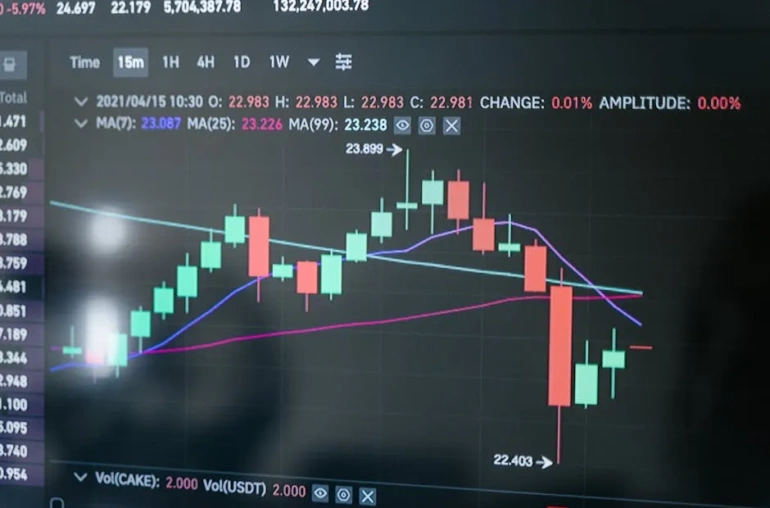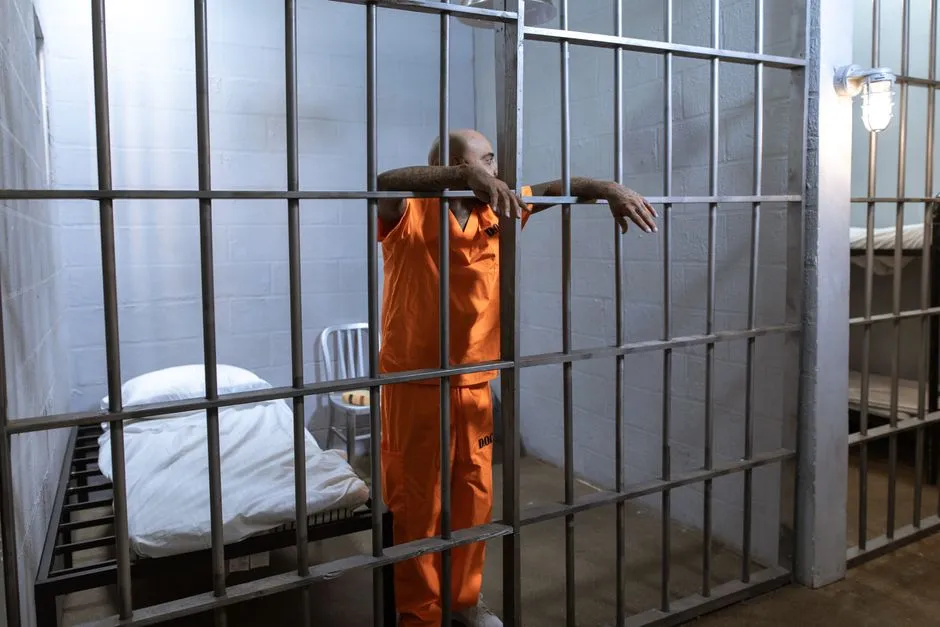
The crypto industry has long been associated with rapid innovation, borderless payments, and the promise of decentralization. But it has also carried a persistent challenge: trust. When a high-profile figure connected to a crypto company is sentenced to prison for fraud, the consequences ripple far beyond one individual or one firm. The 15-year prison sentence handed to Jeong Sang-ho, the CEO of crypto company Delio, is a stark reminder that regulatory and legal systems in South Korea are increasingly willing to hold crypto executives accountable when investors are harmed.
What happened in the Delio case?
More than a year after Jeong Sang-ho was indicted on fraud charges related to his activities at Delio, the case has reached a decisive outcome. He was sentenced to 15 years in prison, a punishment that signals the seriousness with which South Korean authorities view misconduct in the digital asset space.
While the full legal details of the case may still be unfolding in public reporting, the core issue is clear: investors and market participants were allegedly misled through fraudulent conduct tied to Delio’s operations. In crypto, such allegations are especially damaging because many projects rely heavily on community trust, token narratives, and the perceived credibility of their leadership.
Why the Delio sentencing matters for crypto markets
One of the most important implications of this case is that it reinforces a growing global trend: crypto is no longer operating in a legal vacuum. For years, some digital asset businesses benefited from fragmented regulation, offshore structures, and a lack of clear enforcement standards. South Korea’s handling of the Delio case suggests that authorities are willing to pursue executives personally when their conduct crosses the line into fraud.
This matters because investors often assume that crypto projects are decentralized and therefore beyond traditional accountability. In reality, many token launches, exchanges, lending platforms, and investment vehicles still depend on human decision-making, centralized control, and executive authority. When a CEO or founder is involved in misconduct, the damage can be severe. Price volatility, loss of confidence, and withdrawals from a platform can spread quickly, especially in a market where sentiment moves at high speed.
A warning for investors and project teams
The Delio case should serve as a warning for anyone evaluating crypto opportunities. The industry is still maturing, and not every project operating under a blockchain label is transparent, compliant, or well governed. Investors need to look beyond slogans, tokenomics charts, and promotional language. A few practical questions can help reduce risk:
- Who exactly controls the project, and how accountable are they?
- Is the company registered, licensed, or otherwise subject to clear regulatory oversight?
- Are there independent audits, clear disclosures, and realistic explanations of how value is created?
- Does the project have a credible track record, or does it rely on hype, urgency, and guaranteed returns?
- What happens if leadership changes, the team disappears, or the token becomes illiquid?
These questions are not meant to make investors fearful, but to encourage a more disciplined approach. Crypto can still be a powerful area of innovation, but participation should be informed rather than emotional.
What this means for South Korea’s crypto ecosystem
South Korea has been one of the more active digital asset markets in Asia, with strong retail participation and a history of rapid adoption. That same enthusiasm, however, makes the market more vulnerable when trust is broken. A prison sentence of this length sends a message to both domestic and international participants: the country is prepared to prosecute serious fraud involving crypto assets.
For project founders in South Korea, the Delio outcome raises the stakes. It suggests that executives cannot assume that operating in a fast-moving, technology-driven industry will shield them from personal liability. It also suggests that regulators may continue to scrutinize token sales, exchange
Related read: Crypto for Advisors: Closing the Advice Gap in Digital Asset Planning