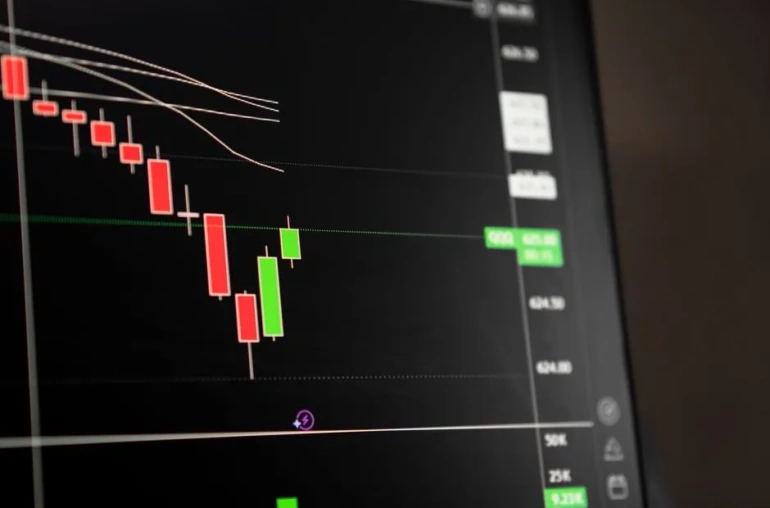
The cryptocurrency and digital asset markets have always been defined by volatility, but recent shifts in corporate financing structures are drawing renewed attention from investors and industry leaders alike. At the center of the latest discussion is a notable recovery in Strive’s SATA preferred shares, which have climbed nearly 16 percent from their June lows to hover around the $97 mark. This upward movement has sparked meaningful conversations across the financial community, particularly after Jan3 CEO Samson Mow weighed in with a compelling outlook. Mow suggests that this rebound could very well be the catalyst needed to push Strategy’s STRC preferred shares back to their $100 par value.
Understanding the SATA Rebound and Its Ripple Effect
Preferred shares have become an increasingly popular instrument for companies operating at the intersection of traditional finance and digital assets. Unlike common stock, which represents ownership and voting rights, preferred shares typically offer fixed dividends and take precedence over common equity in the event of liquidation. When these instruments dip below their par value, it often signals broader market hesitation or liquidity constraints. However, the recent 16 percent recovery in SATA shares indicates a shift in sentiment. Investors are beginning to recognize the underlying stability of these corporate structures, especially as many firms are leveraging preferred equity to fund strategic Bitcoin treasury positions.
The ripple effect from SATA’s recovery is already visible in related market instruments. STRC, which has been trading below its $100 par threshold, is now showing signs of stabilization. Market data from major financial platforms confirms that momentum is building, with trading volumes and bid-ask spreads reflecting renewed institutional interest. This is not merely a short-term price bounce; it reflects a deeper recalibration of how the market values corporate crypto-backed financing.
Samson Mow’s Perspective on the Shift
Samson Mow has long been a vocal advocate for Bitcoin adoption and corporate treasury strategies. As the CEO of Jan3, a company deeply embedded in the Bitcoin ecosystem, his commentary carries significant weight. Mow’s observation that the SATA rebound could pull STRC back to par is rooted in a straightforward market dynamic: confidence begets confidence. When one segment of the preferred share market demonstrates resilience, it often restores faith across the broader category. Investors who had previously written off these instruments as overextended are now reassessing their risk-reward profiles.
Mow’s analysis also highlights a crucial point about market psychology. In highly speculative environments, correlated assets tend to move in tandem. If SATA can sustain its climb toward $100, it sets a psychological benchmark for STRC and similar instruments. Traders and institutional buyers often use par value as a reference point for fair pricing, and seeing one instrument approach that threshold can trigger algorithmic buying and renewed liquidity inflows across the board.
Why Returning to Par Value Matters
For companies issuing preferred shares, maintaining or returning to par value is more than a cosmetic milestone. It directly impacts their cost of capital, credit ratings, and ability to raise additional funds. When STRC trades below $100, it can signal distress to lenders and potential investors, potentially forcing the issuing company to offer higher yields to attract capital. Conversely, a return to par value restores balance to the corporate balance sheet and reinforces market credibility.
In the context of digital asset treasuries, this is especially relevant. Companies that hold significant Bitcoin reserves rely on stable financing structures to weather market cycles. Preferred shares that hold their value provide a reliable funding mechanism, allowing these firms to continue acquiring Bitcoin during dips without resorting to dilutive equity offerings or high-interest debt.
What This Means for Investors and the Broader Market
The current movement in SATA and the potential recovery of STRC offer valuable lessons for both retail and institutional investors. First, it underscores the importance of looking beyond short-term price action. Preferred shares in the crypto-adjacent space are highly sensitive to macroeconomic conditions, Bitcoin price action, and corporate earnings. Second, it highlights the growing maturity of the digital asset financing sector. What once looked like a niche experiment is now a structured market with recognizable pricing benchmarks and institutional participation.
Investors monitoring these instruments should keep a close eye on trading volume, dividend sustainability, and the underlying Bitcoin treasury strategies of the issuing companies. When these fundamentals align with positive price momentum, the path back to par value becomes significantly more viable.
Looking Ahead: Sustainability and Future Catalysts
While the recent rebound is encouraging, sustainability will depend on several factors. Continued Bitcoin price stability or upward momentum will naturally support corporate treasury valuations. Additionally, broader market liquidity, interest rate expectations, and regulatory clarity will play decisive roles. If these conditions remain favorable, STRC could indeed close the gap to its $100 par value, validating Mow’s thesis and reinforcing the role of preferred equity in the modern digital asset economy.
For now, the market is watching closely. The interplay between SATA’s recovery and STRC’s trajectory offers a real-time case study in how corporate finance instruments are adapting to the digital age. Whether this marks the beginning of a sustained recovery or a temporary bounce will become clear in the coming weeks, but one thing is certain: the conversation around crypto-backed preferred shares is no longer speculative. It is firmly rooted in market mechanics, investor psychology, and the evolving financial architecture of the digital asset space.