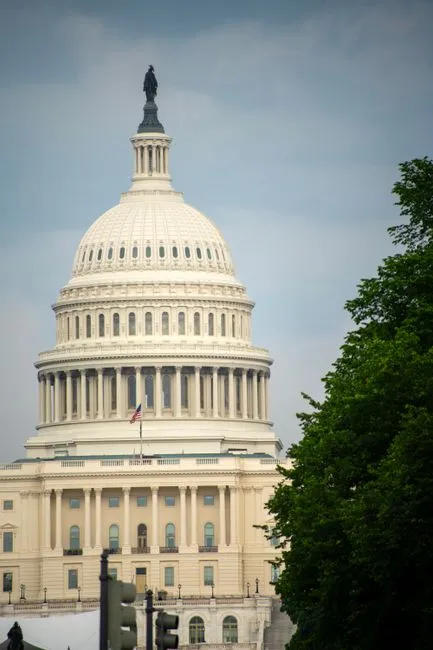
The United States House of Representatives recently moved a significant piece of ethics legislation forward, passing a bill that would ban members of Congress from trading individual stocks. The measure cleared the chamber with a 232-198 vote, marking a rare moment of bipartisan momentum on an issue that has dominated public discourse for years. However, the celebration is tempered by widespread criticism regarding the bill’s structure. Most notably, the legislation leaves existing portfolio holdings completely untouched, a loophole that has drawn sharp scrutiny from transparency advocates and financial watchdogs alike.
What the Bill Actually Does
At its core, the proposed legislation aims to close a door that has long been open to lawmakers and their immediate circles. For decades, members of Congress have been permitted to buy and sell individual equities, a practice that critics argue creates unavoidable conflicts of interest. With direct access to non-public information and the power to influence market-moving legislation, lawmakers hold a unique advantage that the average investor simply does not possess. The new bill seeks to level the playing field by prohibiting direct trading of individual stocks by current members of the House and Senate.
The restrictions are not limited to lawmakers alone. The legislation also extends to their chief staff members and spouses, recognizing that trading activity within a congressional household can carry the same ethical weight as the lawmaker’s own transactions. Instead of picking individual stocks, members would be required to invest in diversified index funds or mutual funds that mirror broader market performance, removing the ability to profit from specific legislative outcomes.
The Grandfather Clause: Why Existing Holdings Remain Untouched
Despite the forward-looking restrictions, the bill contains a provision that has become its most contentious feature. Rather than forcing lawmakers to liquidate their current stock portfolios, the legislation includes a grandfather clause that allows members to retain their existing holdings. This means that while no new individual stock purchases will be permitted, lawmakers can continue to hold, and potentially sell, shares they already own. Transparency groups have argued that this approach undermines the spirit of the reform, allowing legislators to reap the benefits of past trading while technically complying with the new rules.
Beyond Individual Stocks: Staff, Spouses, and Alternative Assets
Another layer of complexity involves how the bill defines trading and who exactly falls under its jurisdiction. While spouses and top staff are included, the definition of immediate family leaves room for interpretation. Furthermore, the legislation primarily targets traditional equities. It does not explicitly address the rapidly growing sector of digital assets, commodities, or private equity investments. As financial markets continue to evolve, critics worry that the current framework may need updating to prevent new loopholes from emerging in alternative investment vehicles.
The Political Landscape Behind the Vote
The 232-198 vote reflects the deeply divided nature of Washington, yet it also highlights a growing consensus that the status quo is no longer tenable. Public trust in government institutions has been steadily declining, and high-profile instances of lawmakers profiting from market movements tied to their own policy decisions have only fueled the fire. Representative Bryan Steil’s office emphasized the importance of the vote, framing it as a necessary step toward restoring credibility to the legislative branch. Still, the narrow margin shows that resistance remains, particularly from lawmakers who argue that the ban infringes on personal financial rights or that the grandfather clause is a necessary compromise to secure passage.
What Happens Next? The Senate and Beyond
With the House vote concluded, the legislation now moves to the Senate, where it will face its own committee reviews, amendments, and floor debate. Historically, congressional stock trading bans have stalled in the upper chamber, often due to concerns over constitutionality, enforcement mechanisms, or the financial impact on sitting senators. The Senate may choose to tighten the grandfather clause, expand the definition of restricted assets, or introduce stricter reporting requirements. If the bill survives the Senate with enough support, it will land on the President’s desk, where the executive branch will decide whether to sign it into law or veto it.
Conclusion: A Step Forward or a Half-Measure?
The passage of the congressional stock trading ban in the House is undoubtedly a milestone. It signals that lawmakers are finally willing to confront a practice that has eroded public confidence for too long. Yet, the presence of significant loopholes, particularly the grandfather clause and the narrow scope of covered assets, suggests that this may only be the beginning of a longer reform process. True transparency will require more than just stopping future trades; it will demand a comprehensive overhaul of how legislative finances are disclosed, monitored, and enforced. As the bill moves forward, the public will be watching closely to see whether this legislation delivers meaningful change or merely scratches the surface of a much deeper problem.