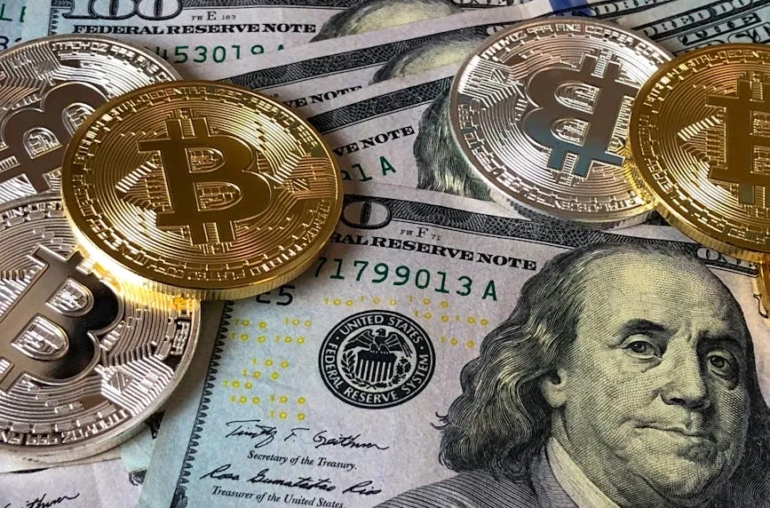
The mobile payment landscape is shifting, and one of the industry’s most recognizable names is stepping directly into the blockchain space. During its recent Galaxy Unpacked event, Samsung officially announced that Samsung Wallet will soon support stablecoins. This move marks a significant expansion of the company’s digital payment ecosystem, bridging the gap between traditional mobile wallets and blockchain-based value transfers. For millions of smartphone users, this update could fundamentally change how we think about everyday transactions, cross-border payments, and personal finance management.
What Stablecoin Support Actually Means for Samsung Wallet
To understand the weight of this announcement, it helps to first look at what stablecoins are. Unlike highly volatile cryptocurrencies like Bitcoin or Ethereum, stablecoins are digital assets pegged to the value of traditional currencies, most commonly the US dollar. This pegging mechanism keeps their value relatively steady, making them far more practical for everyday purchases, bill payments, and merchant transactions.
By integrating stablecoins directly into Samsung Wallet, the company is essentially turning a familiar mobile app into a hybrid financial tool. Users will likely be able to store, send, and receive stablecoins alongside their existing credit cards, loyalty programs, and digital IDs. The interface will remain intuitive, but under the hood, transactions will be processed on blockchain networks. This means faster settlement times, lower intermediary fees, and the ability to move value digitally without relying on traditional banking rails.
Why Samsung Is Making This Move Now
Timing is everything in the tech industry, and Samsung is positioning itself at the intersection of two major trends: the mainstream adoption of cryptocurrency and the ongoing evolution of mobile commerce. Traditional banks and payment processors have been slow to fully embrace blockchain technology due to regulatory uncertainty and infrastructure limitations. Samsung, however, already has a massive installed base of Galaxy devices and a trusted digital wallet platform. Adding stablecoin support allows the company to capture early momentum in a space that is rapidly maturing.
Furthermore, consumer demand for seamless digital finance tools is at an all-time high. People want to pay for groceries, split dinner bills, or send money to family overseas without dealing with hidden fees or multi-day processing delays. Stablecoins solve many of these pain points. By bringing this functionality to Samsung Wallet, the company is responding directly to what users are asking for: a simpler, more efficient way to manage and move money.
How This Changes the Landscape for Everyday Users
The practical benefits of this integration are substantial. Here is what users can expect as the feature rolls out:
- Lower Transaction Costs: Blockchain-based stablecoin transfers typically bypass the traditional banking network, which often charges steep fees for wire transfers, currency conversion, and even standard debit/credit card processing.
- Near-Instant Settlements: Instead of waiting one to three business days for funds to clear, stablecoin transactions on most modern blockchains settle in seconds or minutes.
- Global Accessibility: Users in different countries can send and receive value without navigating complex foreign exchange markets or dealing with international banking restrictions.
- Unified Financial Dashboard: Samsung Wallet has always been about convenience. Adding crypto assets means users can manage fiat cards, digital tickets, and blockchain funds in a single, familiar interface.
This kind of consolidation reduces friction. You no longer need to jump between a banking app, a crypto exchange, and a payment wallet. Everything lives in one place, designed for people who want financial tools that just work.
Security, Compliance, and the Road Ahead
Whenever digital assets enter the picture, security becomes the top priority. Samsung has a long-standing reputation for device-level security through its Knox platform, and it is highly likely that the stablecoin feature will leverage similar hardware-backed encryption. Private keys, transaction signing, and biometric verification will play a central role in keeping user funds safe from unauthorized access.
Regulatory compliance will also be a major factor. Samsung will need to work closely with financial authorities to ensure that stablecoin transactions meet anti-money laundering (AML) and know-your-customer (KYC) standards. Expect the rollout to be phased, starting with specific regions where crypto regulations are clear and stablecoin usage is already legally recognized. As frameworks mature, the feature will likely expand to more markets.
Final Thoughts
Samsung’s decision to bring stablecoin support to Samsung Wallet is more than a feature update; it is a strategic pivot toward the future of digital commerce. By combining the reliability of a trusted mobile ecosystem with the efficiency of blockchain technology, Samsung is lowering the barrier to entry for everyday crypto adoption. For consumers, this means faster, cheaper, and more flexible payment options. For the broader financial industry, it serves as a clear signal that traditional mobile wallets are evolving into comprehensive digital finance hubs. As the feature moves from announcement to reality, we will likely see a new standard emerge for how smartphones handle value, bridging the gap between legacy banking and the decentralized economy.