From Pasture to Blockchain: A New Era for Agricultural Finance
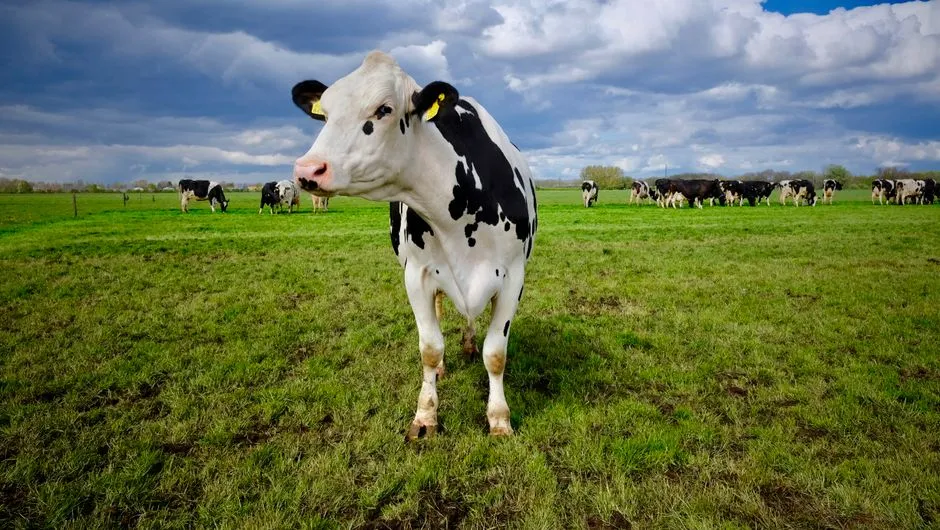
Brazil has just made a quiet but significant leap into the future of agricultural lending. For the first time, a major financial exchange in the country has approved a credit deal where the collateral isn’t land, heavy machinery, or cash reserves. Instead, it’s livestock. Specifically, ten dairy cows have been tokenized and registered on Brazil’s primary stock exchange, B3, to secure a R$100,000 loan. This isn’t just a novelty experiment or a marketing stunt. It represents a practical fusion of traditional farming, modern distributed ledger technology, and institutional finance.
At its core, this pilot project answers a long-standing problem in rural economics: how do you give farmers access to credit when they don’t own enough conventional assets to secure a loan? By turning physical animals into verifiable digital tokens, Brazil is proving that blockchain can work outside the speculative crypto markets and into the real, dirt-under-the-nails world of agriculture.
How the Tokenization Process Actually Works
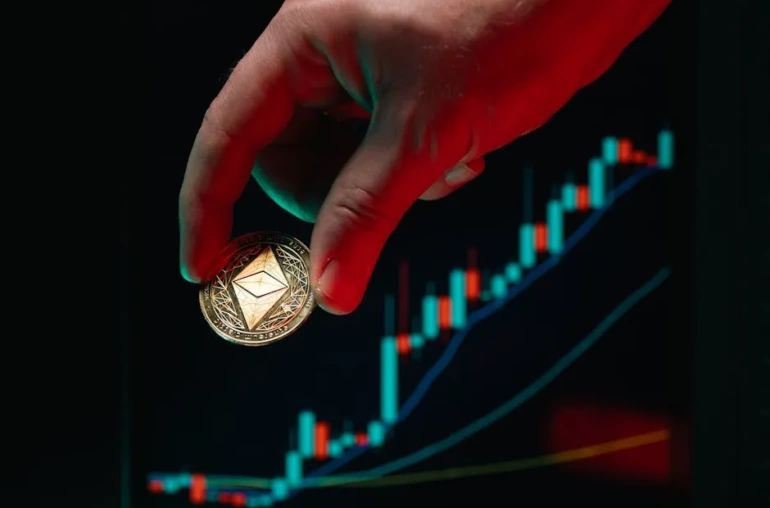
Tokenization, in simple terms, means converting a physical asset into a digital representation on a blockchain. Each token acts as a digital receipt that proves ownership or a financial claim on the underlying item. In this scenario, the dairy cows themselves are the underlying assets. By placing them on a distributed ledger, the loan becomes transparent, easily verifiable, and highly resistant to fraud or double-spending.
The process begins with a thorough appraisal of the livestock. Once the animals are identified and valued, unique digital identifiers are assigned to each one. These identifiers are then minted as tokens and recorded on the blockchain. When the loan is issued, the tokens are locked as collateral. If the borrower defaults, the lender can liquidate the digital tokens, which directly correspond to the physical animals, ensuring the loan is backed by tangible value rather than just paper promises.
The Role of Smart Collars and Real-Time Tracking
What makes this pilot particularly robust is the integration of IoT hardware. Each of the ten cows is fitted with a Cowmed collar, a smart device that tracks movement, health metrics, and location in real time. This data feeds directly into the digital ledger, creating a living, breathing record of the collateral. Instead of relying on periodic farm inspections or outdated paper trails, lenders now have continuous visibility into the condition of their security. If a cow falls ill, goes missing, or is sold, the system updates instantly, protecting both the lender and the borrower from discrepancies.
B3’s Strategic Move and Market Implications
B3, Brazil’s main stock and derivatives exchange, has long been exploring ways to modernize its infrastructure and attract new forms of capital. By approving this tokenized credit deal, the exchange is signaling that blockchain is no longer just a playground for digital currencies. It’s becoming a functional tool for institutional markets. The deal demonstrates how traditional financial institutions can adopt distributed ledger technology without abandoning their core risk management principles. For a country with a massive agricultural sector, this kind of innovation could unlock liquidity for farmers who previously struggled to secure loans due to a lack of conventional collateral.
Why This Matters for Farmers and Lenders
The advantages of this model are straightforward and deeply practical. Farmers gain access to credit that was previously out of reach, especially smaller operations that don’t own large tracts of land but maintain valuable livestock. Lenders benefit from enhanced transparency, reduced administrative overhead, and faster settlement times. The real-time tracking eliminates the guesswork that often plagues agricultural lending, where collateral can depreciate, disappear, or be improperly managed. Furthermore, tokenization allows for more flexible loan structures and could eventually lead to more dynamic agricultural financing markets where assets can be traded or pledged with unprecedented ease.
Looking Ahead: The Future of Tokenized Assets
While this is just a pilot involving ten cows and a single loan, the implications stretch far beyond a single farm. As regulatory frameworks mature and blockchain infrastructure becomes more standardized, we can expect to see tokenized assets expand into other sectors of agriculture, from livestock to crop yields and heavy equipment. Brazil’s experiment on B3 proves that the intersection of physical assets and digital finance isn’t a distant concept. It’s already happening, one collar and one token at a time. The next time you hear about blockchain disrupting traditional markets, remember that the revolution might not start in a server room. It might start in a pasture.