For years, Bolivia has navigated a delicate economic balancing act. Strict capital controls, fluctuating inflation rates, and a persistent shortage of foreign currency have made everyday financial transactions more complicated than they should be. Long lines at banks, limited access to U.S. dollars, and a thriving informal market have become the norm for many citizens. Amid this backdrop, a surprising solution is gaining serious attention from government officials: Tether’s USDT. Rather than viewing stablecoins as a fringe digital asset, Bolivia is actively exploring the possibility of recognizing USDT as an official payment method alongside the boliviano and the physical U.S. dollar.
The Reality of the Foreign Currency Shortage
To understand why a cryptocurrency-backed token is being considered for national payment status, you first have to look at the everyday friction caused by Bolivia’s dollar shortage. The central bank has historically maintained tight control over foreign exchange to stabilize the local currency and manage imports. While the intention is sound, the practical result has been a bottleneck. Businesses struggle to pay for raw materials, travelers face limits on how much cash they can take abroad, and ordinary citizens often turn to informal networks to secure dollars for basic needs. This environment creates inefficiency, drives up costs, and leaves a large portion of the population outside the formal financial system.
Why USDT is Gaining Serious Traction
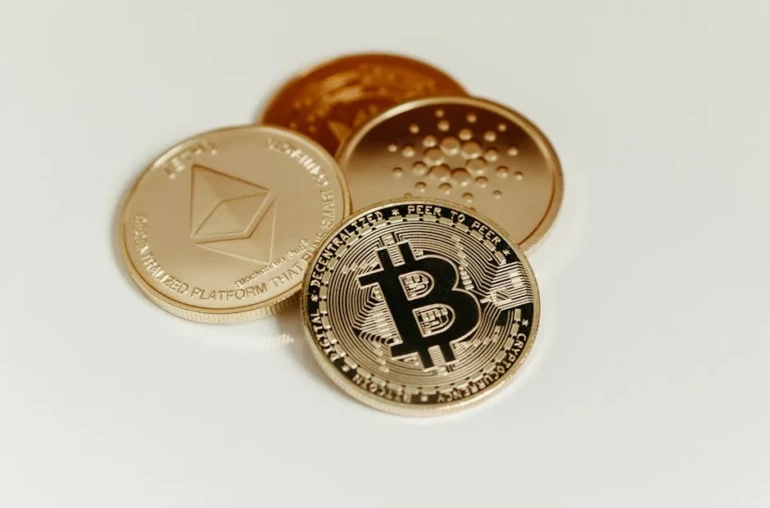
This is where Tether’s USDT enters the conversation. In simple terms, USDT is a stablecoin, meaning its value is pegged one-to-one with the U.S. dollar. Unlike volatile cryptocurrencies like Bitcoin or Ethereum, USDT is designed to hold a steady value, making it far more practical for everyday purchases, payroll, and cross-border transfers. Because it lives on blockchain networks, it can be sent instantly across the world without relying on traditional banking infrastructure, which often faces delays, high fees, or outright restrictions in countries with capital controls.
For Bolivian merchants and consumers, the appeal is straightforward. USDT offers a reliable dollar-pegged asset that can be stored in a digital wallet, spent at participating businesses, and transferred without navigating bank queues or black-market premiums. It bridges the gap between the stability of fiat currency and the accessibility of digital finance.
What Official Payment Status Would Actually Mean
Granting USDT official payment status would not mean replacing the boliviano or banning physical dollars. Instead, it would legally recognize the stablecoin as a valid method of settlement for goods, services, and taxes. Merchants could choose to accept it, consumers could use it for daily expenses, and businesses could streamline international trade by settling invoices in a widely recognized digital dollar. This kind of framework has already shown promise in other regions facing currency instability, where stablecoins have helped preserve purchasing power and reduce reliance on cash-heavy, inefficient systems.
Implementing this change would also require clear guidelines. The government would need to establish how USDT transactions are recorded, how disputes are resolved, and how consumer protections are enforced. Unlike physical money, digital assets leave a transparent trail on public ledgers, which can actually simplify auditing and reduce fraud if the right oversight mechanisms are in place.
Navigating Regulatory and Economic Considerations
Of course, moving forward with this approach is not without challenges. Regulators will need to address questions around reserve transparency, ensuring that Tether maintains the necessary dollar backing to keep USDT stable. There will also be concerns about potential impacts on the boliviano’s exchange rate and whether widespread stablecoin adoption could unintentionally weaken local monetary policy. These are valid concerns that require careful planning, pilot programs, and possibly collaboration with international financial bodies to ensure a smooth transition.
Additionally, financial literacy will play a crucial role. Many everyday users are still unfamiliar with digital wallets, seed phrases, and blockchain networks. Any successful rollout will depend on accessible education, user-friendly tools, and clear consumer safeguards to prevent mistakes or exploitation.
A Broader Shift Across Latin America
Bolivia’s exploration of USDT as legal tender does not exist in a vacuum. Across Latin America, countries like Argentina, Brazil, and Colombia have seen surging interest in cryptocurrencies and stablecoins as citizens seek alternatives to volatile local currencies and restrictive banking systems. The region has consistently ranked among the top adopters of digital assets worldwide, driven by real economic needs rather than speculative hype. Bolivia’s potential move could signal a turning point where governments stop fighting crypto adoption and start working with it to solve tangible financial problems.
If Bolivia successfully integrates USDT into its payment infrastructure, it could serve as a practical blueprint for other nations facing similar currency constraints. The goal isn’t to replace traditional finance, but to expand it, giving people more reliable options to save, spend, and trade. As regulatory frameworks mature and digital tools become more accessible, the line between traditional banking and decentralized finance will continue to blur. For a country tired of dollar shortages and banking bottlenecks, embracing a stable, transparent, and instantly transferable digital dollar might just be the most logical next step. The road ahead requires careful execution, but the potential to restore financial stability and everyday convenience is worth the effort.