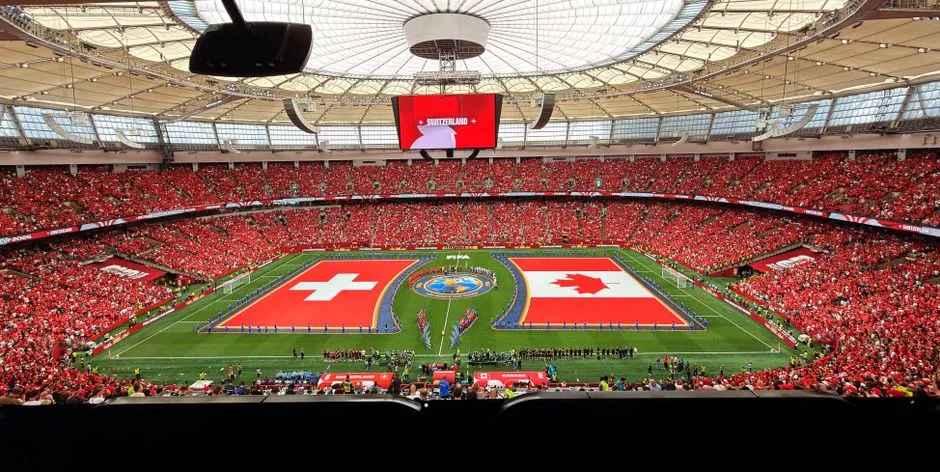
The intersection of sports, finance, and fan engagement is evolving faster than ever. At the center of this shift is a major new development: Kalshi, the leading regulated prediction market platform, has officially partnered with ADI Predictstreet to secure prominent branding exposure across the 2026 FIFA World Cup. As FIFA’s official prediction market partner, ADI Predictstreet will integrate Kalshi’s branding into stadium activations, television broadcasts, and digital campaigns. This move marks a significant milestone for the prediction market industry and signals a major shift in how sports leagues approach interactive fan experiences.
Understanding the Partnership and Its Scope
This deal is far more than a standard sponsorship agreement. By aligning with ADI Predictstreet, Kalshi gains a direct line to one of the most-watched sporting events on the planet. The partnership will place Kalshi’s logo and platform messaging in high-visibility zones, including stadium screens, broadcast overlays, and interactive fan experiences. For a company that has spent years navigating regulatory frameworks and building trust in the financial sector, this level of mainstream sports exposure represents a major validation of its business model.
ADI Predictstreet has long been recognized for its work in transforming how fans interact with live sports data. By leveraging real-time odds, interactive polls, and predictive analytics, the platform turns passive viewership into an engaging, data-driven experience. Kalshi’s integration into this ecosystem means that millions of World Cup fans will be introduced to a new way of engaging with sports outcomes—one that operates on financial market principles rather than traditional wagering.
What Exactly Is a Prediction Market?
If you are familiar with traditional sports betting, prediction markets might sound similar at first glance. However, the underlying mechanics are fundamentally different. Prediction markets allow users to buy and sell shares in the outcome of real-world events. The price of those shares fluctuates based on supply and demand, essentially creating a live, crowd-sourced probability metric. When a market settles, participants who bought into the winning outcome receive a fixed payout, while those on the losing side receive nothing.
How This Differs from Traditional Betting
- Regulatory Framework: Unlike sportsbooks, which operate under gambling licenses, platforms like Kalshi are regulated as financial exchanges. This brings stricter compliance, clearer consumer protections, and greater transparency.
- Market Efficiency: Because prices are driven by continuous trading rather than fixed odds set by a bookmaker, prediction markets often reflect more accurate real-time probabilities.
- Accessibility and Strategy: Traders can enter and exit positions before an event concludes, manage portfolios across multiple markets, and hedge risks in ways that traditional betting simply does not allow.
These structural advantages have made prediction markets increasingly attractive to institutional investors, data analysts, and everyday fans who want a more transparent way to engage with sports and global events.
The Strategic Value for Kalshi
Securing a foothold in the FIFA World Cup ecosystem is a masterstroke for Kalshi’s growth strategy. For years, prediction markets have operated in the shadows of the broader sports betting industry, often misunderstood or lumped together with unregulated gambling platforms. This partnership helps draw a clear line between the two, positioning Kalshi as a legitimate, regulated financial product rather than a betting alternative.
The branding exposure alone will drive significant user acquisition. Millions of viewers tuning into World Cup matches will see Kalshi’s name attached to official FIFA activations. That kind of visibility is incredibly difficult to replicate through digital advertising alone. Moreover, it signals to traditional sports leagues, broadcasters, and sponsors that prediction markets are ready for the mainstream stage.
What This Means for the Future of Sports Engagement
The sports industry is constantly searching for new ways to keep audiences engaged, especially in an era of fragmented media consumption and short attention spans. Interactive prediction markets offer a compelling solution. They add a layer of strategic participation that goes beyond simply picking a winner. Fans can track live probabilities, adjust their positions, and engage with data in real time.
For FIFA and its partners, this partnership aligns with a broader push toward digital transformation. By integrating prediction markets into the official World Cup experience, the tournament is embracing a more interactive, globally accessible format. It also opens the door for future collaborations across other major sporting events, from the Olympics to professional football leagues.
As regulatory clarity improves and financial institutions begin to recognize the value of event-driven markets, we are likely to see prediction platforms become a standard fixture in sports broadcasting. Kalshi’s deal with ADI Predictstreet is just the beginning. The 2026 World Cup will serve as a global test case, proving whether prediction markets can truly bridge the gap between financial trading and sports fandom. If the execution is as seamless as the partnership suggests, this could well be the moment prediction markets step out of the financial niche and into the global sporting spotlight.