What Exactly Is a Stablecoin?
At its core, a stablecoin is a type of cryptocurrency designed to maintain a consistent value, typically pegged one-to-one with a traditional fiat currency like the U.S. dollar. While assets like Bitcoin and Ethereum are known for their dramatic price swings, stablecoins offer a digital alternative that aims to stay exactly at $1.00, regardless of market volatility. This seemingly straightforward concept has evolved into one of the most critical pillars of the cryptocurrency ecosystem, effectively bridging the gap between traditional banking and decentralized digital networks.
But how does a digital token, which exists on a highly volatile blockchain, actually stay anchored to a real-world currency? The answer lies in the backing mechanisms, reserve structures, and economic models that issuers put in place. Understanding these mechanics is essential for anyone looking to navigate digital payments, decentralized finance, or simply store value without the usual crypto rollercoaster.
How Do They Hold a Steady Dollar Value?
Not all stablecoins operate the same way. While they all share the same goal of price stability, the methods they use to achieve it vary significantly. Generally, they fall into three main categories:
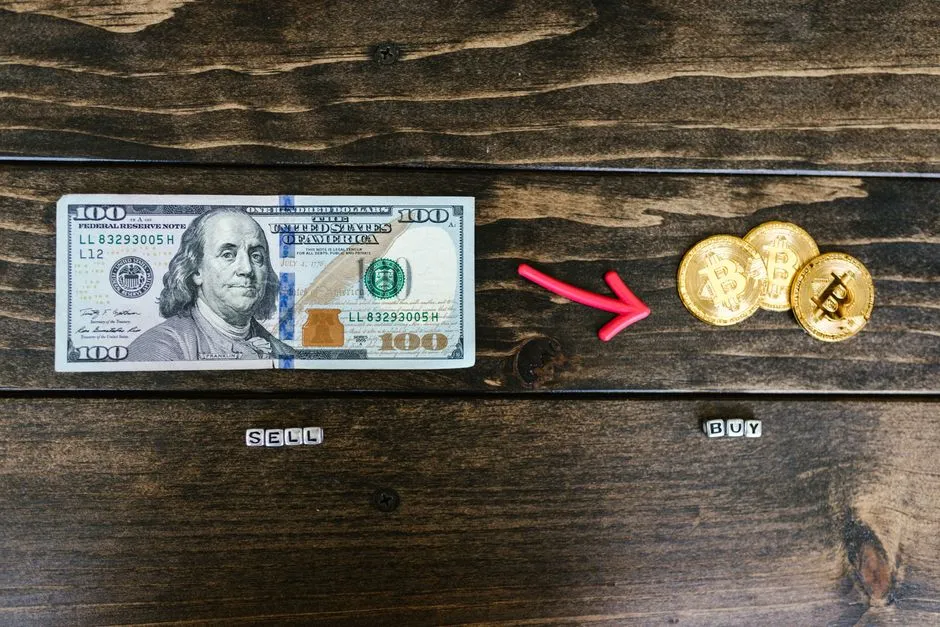
- Fiat-Collateralized: These are the most widely used. For every token issued, the company holds an equivalent amount of real-world currency in bank accounts or short-term government securities. When you buy one token, they set aside one dollar. When you sell it back, they return that dollar and permanently remove the token from circulation.
- Crypto-Collateralized: Instead of cash, these stablecoins are backed by other cryptocurrencies like Ethereum. To account for the volatility of digital assets, they are usually overcollateralized. This means if you want to mint $100 worth of stablecoins, you might need to lock up $150 worth of crypto as collateral in a smart contract.
- Algorithmic: These rely on code and automated market mechanisms rather than physical reserves. They use supply and demand algorithms to expand or contract the token supply, theoretically keeping the price at $1. However, this model has faced intense scrutiny and several high-profile failures in recent years.
A Closer Look at USDT, USDC, and RLUSD
When discussing stablecoins, a few names consistently dominate the conversation. Tether (USDT) was the first to gain massive traction, establishing itself as the primary trading pair for most cryptocurrency exchanges. Despite its market dominance, it has faced ongoing debates regarding the transparency of its reserves and its regulatory compliance over the years.
Circle’s USD Coin (USDC) entered the market as a more transparent alternative. It regularly publishes attestations from major accounting firms, detailing exactly how its reserves are allocated across cash and short-term U.S. Treasury bills. This commitment to regular auditing has made USDC a preferred choice for institutional players and decentralized finance protocols.
Meanwhile, newer entrants like RLUSD are emerging in a rapidly evolving landscape. These tokens often aim to combine the reliability of fiat backing with modern blockchain efficiency, targeting specific use cases like cross-border payments, merchant settlements, or integration with emerging decentralized financial networks. As the market matures, competition among issuers is driving higher standards for audits, reserve management, and user protection.
The Reality of the Peg: Can They Really Stay at $1?
In theory, the peg should be unbreakable. In practice, it can wobble. During periods of extreme market stress, heavy selling pressure, or rumors of regulatory action, stablecoins can temporarily drop below or rise above the $1 mark. This phenomenon is known as de-pegging. While most reputable stablecoins quickly recover their value through market makers and reserve adjustments, even a brief de-peg can trigger panic across the broader crypto market.
Regulators worldwide are now paying close attention to how these tokens operate. The push for clearer banking partnerships, stricter reserve requirements, and regular independent audits is reshaping the industry. The goal is to ensure that when you hold a dollar-pegged token, it truly behaves like a digital dollar, not a speculative asset.
Why Stablecoins Matter Beyond Speculation
Stablecoins are far more than just a tool for traders to park their funds during bear markets. They have become essential infrastructure for the global digital economy. Freelancers in emerging markets use them to receive payments without losing value to local currency inflation or high bank fees. Businesses use them to settle international transactions in minutes rather than days. Decentralized finance protocols rely on them to offer lending, borrowing, and yield-generating opportunities without exposing users to wild price swings.
As blockchain technology continues to integrate with traditional financial systems, stablecoins will likely play an increasingly central role. They represent a practical middle ground: the speed and accessibility of crypto, combined with the predictability of fiat.
Understanding how stablecoins work, what backs them, and where they fit into the broader financial landscape is no longer just a niche interest for crypto enthusiasts. It is a fundamental piece of financial literacy in an increasingly digital world. Whether you are looking to preserve purchasing power, facilitate faster payments, or explore decentralized finance, knowing how these tokens hold their dollar value is the first step toward using them confidently and safely.