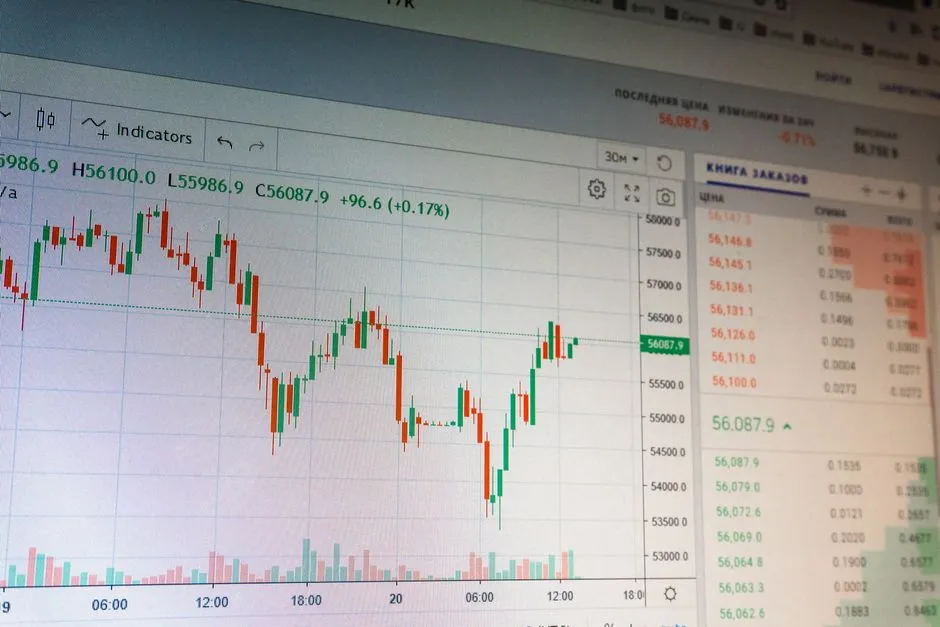
Bitcoin is entering one of those macro-heavy weeks where the direction of the market can hinge less on crypto-specific news and more on the broader financial backdrop. With US inflation data, producer price signals, the Federal Reserve’s upcoming decision, and yen intervention all in play, traders are likely to treat Bitcoin less like an isolated digital asset and more like a highly sensitive risk asset. The central question on many minds is whether Bitcoin can stabilize and hold $80,000 as a meaningful support level through the noise.
1. US CPI data could reset the rate-cut narrative
The first major catalyst is the Consumer Price Index report. CPI remains one of the most closely watched economic releases because it gives investors a direct look at how inflation is behaving at the consumer level. If the print comes in hotter than expected, it may suggest that price pressures are still sticky. In that case, the market could push back on the idea of aggressive monetary easing, which tends to weigh on long-duration assets and speculative bets alike.
For Bitcoin, that dynamic is important. When investors begin to price in a higher-for-longer interest rate environment, risk appetite often cools. That can show up as reduced leverage, more cautious positioning, and a quicker retreat from high-beta assets. On the other hand, a cooler CPI reading could revive expectations that the Fed is closer to easing. That would be a more constructive backdrop for Bitcoin, especially if the market has already been pricing in some degree of relief.
2. PPI offers an early signal for inflation momentum
The Producer Price Index report is often treated as a leading indicator for future consumer inflation. PPI tracks the prices that producers receive for goods, and it can reveal whether cost pressures are building upstream before they fully show up at the retail level. A strong PPI print may suggest that businesses are still absorbing rising costs and that those costs could eventually be passed on to consumers.
That matters for crypto because Bitcoin tends to move in line with broader liquidity and risk sentiment. If PPI suggests inflation is still gaining traction, traders may become more skeptical about the timing of rate cuts. Conversely, if PPI shows signs of moderation, it can strengthen the case that inflation is cooling and that the Fed may have more room to shift its stance. In practical terms, PPI can set the tone for how aggressively the market reacts to CPI and the Fed decision later in the week.
3. The Fed’s Sept. 16 decision may matter less for the rate itself and more for guidance
By the time of a scheduled Federal Reserve decision, the most important element is often not just the rate move, but the message the Fed sends. The statement, the tone of the press conference, and any hints about future policy can all move markets dramatically. If the Fed signals that it is confident inflation is under control and that it sees room to ease, that can be a strong tailwind for risk assets. If it sounds cautious, data-dependent, or unwilling to commit to a clear easing path, Bitcoin could face additional pressure.
For Bitcoin in particular, the Fed decision matters because it influences the opportunity cost of holding non-yielding assets. When rates are high and the Fed appears hawkish, investors may demand a bigger premium for taking on crypto risk. When the outlook shifts toward easing, capital can rotate back into higher-risk strategies more quickly. That is why the Fed event can act as a major liquidity switch for the market.
4. Yen intervention adds another layer of global liquidity risk
The yen story is an important but sometimes underappreciated factor in global markets. If authorities intervene to support the yen, it can have ripple effects across currency markets, carry trades, and risk assets. A weaker yen often makes borrowing in yen cheaper, which has historically supported speculative positioning in global markets. When that dynamic shifts, especially through intervention, it can create volatility in equities, bonds, and crypto.
For Bitcoin, the concern is less about the yen itself and more about what it signals for global liquidity. If yen-related moves suggest tightening in funding markets or unwinding of carry trades, that can pressure risk assets broadly. If the market absorbs the intervention without a major liquidity shock, Bitcoin may be able to focus more on its own technical structure and US macro data. Either way, the yen adds a layer of complexity to an already event-heavy week.
5. Bitcoin’s $80,000 level is now a key line in the sand
With all of these macro variables in play, the technical picture becomes equally important. The $80,000 area has become a critical reference point because it sits at the intersection of recent price action, market psychology, and likely institutional interest. If Bitcoin can hold that level through elevated volatility, it may strengthen the case that the market is building a base rather than entering a deeper correction.
However, if $80,000 breaks decisively, it could trigger follow-through selling as traders reassess the market’s short-term structure. That is why the coming week is so important. It is not just a matter of what happens in one session, but whether Bitcoin can survive a cluster of major macro releases without losing its footing. A clean hold could encourage more confident positioning, while a breakdown could accelerate de-risking.
What this week means for Bitcoin traders
In practical terms, this is a week where caution and scenario planning are likely to matter more than conviction. Traders may focus on how the market reacts to CPI first, how PPI reinforces or complicates that message, and how the Fed frames its policy path. The yen adds a wild card, especially if it triggers broader liquidity stress. Against that backdrop, Bitcoin’s ability to maintain $80,000 support will be one of the clearest signs of whether the market is in a constructive phase or a more defensive one.
Overall, the theme of the week is simple: Bitcoin is being tested by macro forces. If inflation data cools and the Fed sounds more open to easing, $80,000 could prove to be a strong floor. If the data disappoints or the Fed strikes a cautious tone, the level could come under real pressure. Either outcome will help define the path forward for the market in the weeks ahead.
Related read: Bitcoin Slips as Weekend Altcoin Rally Loses Momentum