What Happened in Crypto Today?
The cryptocurrency market never stands still. Prices can change within minutes, blockchain networks continue processing transactions around the clock, and new developments in regulation, decentralized finance, and Web3 can quickly influence investor sentiment. For anyone trying to keep up, the daily flow of information can feel overwhelming.
This daily crypto overview brings the most important areas of the market into focus, including Bitcoin price movements, broader digital asset trends, blockchain activity, DeFi developments, Web3 adoption, and regulatory decisions. Rather than focusing only on short-term price changes, it is important to understand the wider forces shaping the industry.
Bitcoin Remains the Market’s Main Indicator
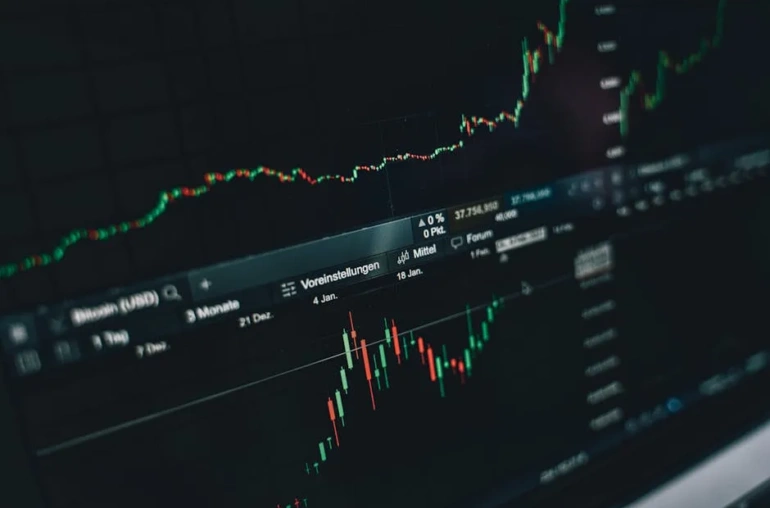
Bitcoin continues to serve as the leading indicator for the cryptocurrency market. When Bitcoin moves sharply, other digital assets often react soon afterward. Traders commonly watch changes in trading volume, market liquidity, support and resistance levels, and overall investor confidence to understand whether a price move may continue.
Several factors can affect Bitcoin during a single day. Broader economic conditions, interest-rate expectations, institutional activity, exchange flows, and developments in financial regulation can all influence demand. News involving major companies, investment products, or government policy may also create sudden volatility.
However, a single price movement does not always reveal the full market picture. A short-term rally may be driven by limited trading activity, while a decline may reflect temporary profit-taking rather than a major change in long-term sentiment. For that reason, Bitcoin’s price should be considered alongside volume, liquidity, and market-wide participation.
Altcoins and Market Trends
While Bitcoin attracts the most attention, altcoins often provide a clearer picture of risk appetite across the market. When traders become more confident, capital may move into assets connected to smart contracts, gaming, infrastructure, artificial intelligence, or decentralized applications. During periods of uncertainty, investors may instead reduce exposure to more volatile tokens and move toward larger, more established assets.
Market participants also monitor total cryptocurrency market capitalization and Bitcoin’s market dominance. These indicators can help show whether interest is concentrated in Bitcoin or spreading across other parts of the industry. A rise in market capitalization accompanied by strong trading activity may suggest broader participation, while a sudden increase without meaningful volume may require more caution.
Blockchain Activity Offers Important Clues
Price charts are only one part of the crypto story. Blockchain data can reveal how networks are actually being used. Analysts may examine transaction counts, active wallet addresses, network fees, token transfers, and the amount of value being settled on-chain.
Growing activity can point to increased adoption, although it should always be interpreted carefully. A rise in transactions may come from genuine user growth, automated trading, or short-term speculation. Similarly, lower fees might indicate improved network efficiency—or reduced demand. On-chain data is most useful when compared with other indicators rather than viewed in isolation.
DeFi and Web3 Developments
Decentralized finance remains one of the most active areas of the blockchain economy. Lending protocols, decentralized exchanges, stablecoins, liquid staking, and yield platforms continue to develop, offering alternatives to traditional financial services. Daily updates in this area may include changes in total value locked, new protocol launches, governance proposals, security incidents, or shifts in user activity.
Web3 news extends beyond financial applications. Blockchain-based identity, digital ownership, gaming, creator platforms, and decentralized infrastructure are all part of the broader Web3 ecosystem. The most meaningful developments are often those that improve usability, reduce transaction costs, or make blockchain applications easier for newcomers to access.
Regulation Continues to Shape the Industry
Regulation remains a central issue for crypto businesses and investors. New guidance from financial authorities can affect exchanges, stablecoin issuers, token projects, custodians, and companies exploring blockchain technology. Regulatory clarity may encourage institutional participation, while uncertainty can make businesses more cautious and contribute to market volatility.
Important regulatory news may involve taxation, consumer protection, anti-money-laundering requirements, licensing standards, or the classification of digital assets. These developments can have consequences well beyond the jurisdiction where they are announced, particularly when they involve major financial markets.
How to Interpret Daily Crypto News
- Separate facts from speculation: Headlines can move quickly, but unconfirmed claims should not be treated as established news.
- Look beyond the price: Trading volume, liquidity, network activity, and market breadth provide additional context.
- Consider the time frame: A one-day move may not change the long-term outlook for an asset or sector.
- Watch for risk: Hacks, smart-contract flaws, leverage, and low liquidity can increase potential losses.
- Compare multiple sources: Major developments are easier to evaluate when confirmed through reliable reporting and official announcements.
The Bigger Picture
Today’s crypto news is rarely about one isolated event. Bitcoin performance, altcoin trends, blockchain usage, DeFi innovation, Web3 adoption, and regulatory policy are closely connected. Understanding those relationships can help readers move beyond sensational headlines and develop a more balanced view of the market.
Crypto remains a fast-moving and highly volatile industry, so informed decision-making requires patience and ongoing research. By reviewing both market movements and the underlying developments driving them, investors and enthusiasts can better understand what happened today—and why it may matter tomorrow.
Related read: Singapore and Germany Test Blockchain-Based Cross-Border Payments Without a Shared Ledger