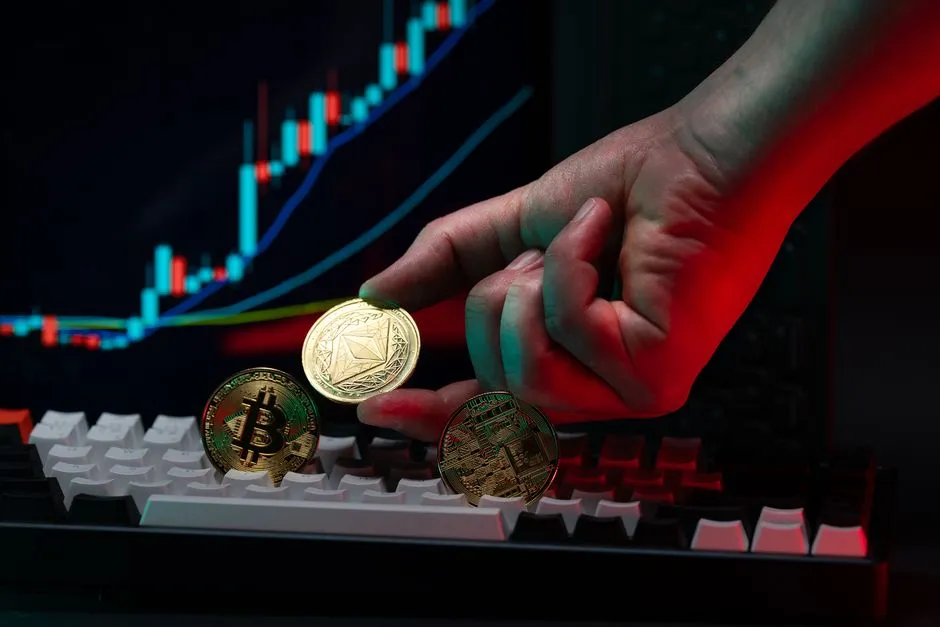
The crypto market has been through a rough patch. Prices are down, sentiment is shaky, and the fear index is hovering in uncomfortable territory. But if you look past the red candles and the doom-scrolling on social media, something interesting is happening beneath the surface. According to on-chain analytics firm CryptoQuant, large holders—often referred to as whales—are quietly accumulating Bitcoin, Ethereum, and XRP despite the prevailing market weakness.
This kind of behavior is historically significant. Whales don’t buy when everyone else is buying. They buy when the market is fearful, when retail investors are capitulating, and when the narrative is overwhelmingly bearish. The fact that these large wallets are increasing their positions while prices are under pressure suggests that the current bear market may be closer to its end than many people realize.
Reading the Signals: What Whale Accumulation Actually Means
Whale activity is one of the most closely watched metrics in crypto. These are wallets that hold substantial amounts of a given asset, and their moves can have outsized effects on price action. When whales accumulate, it often signals that they believe the asset is undervalued relative to its long-term potential. When they distribute, it can be a warning sign that a top is near.
CryptoQuant’s data suggests that the recent dip has been met with consistent buying from these large holders. This is not a one-off spike in activity but a sustained pattern of accumulation across multiple assets. That breadth is important. It’s not just Bitcoin that’s seeing whale interest; Ethereum and XRP are also attracting significant inflows into large wallets.
This kind of coordinated accumulation is often a precursor to a trend reversal. While it doesn’t guarantee an immediate bounce, it does indicate that the smart money is positioning itself for the next cycle. The question is whether the broader market will follow suit or continue to wait for clearer confirmation.
The Psychology of a Bear Market Bottom
Bear markets are as much psychological as they are financial. The bottom is rarely announced. It’s usually a slow, grinding process where the bad news eventually becomes priced in, and the selling pressure starts to fade. What often marks the true bottom is not a single capitulation event but a period of quiet accumulation that goes unnoticed by the majority.
That’s exactly what the on-chain data is pointing to right now. While the average investor is focused on short-term losses, whales are building positions at prices that may look unappealing today but could look like bargains in hindsight. This is not a guarantee that the market will reverse tomorrow, but it does suggest that the risk-reward ratio for long-term holders is improving.
Of course, timing is everything in this market. No one can predict the exact bottom, and even the most sophisticated analytics can be wrong. But when the largest players in the market are acting in a coordinated manner, it’s worth paying attention.
Beyond Trading: Building a Diversified Crypto Income
While whale accumulation is an interesting signal for traders, it’s not the only way to participate in the crypto market. For those looking to generate consistent income rather than relying on price swings, alternative strategies like cloud mining have gained traction. Cloud mining allows individuals to earn cryptocurrency by renting computational power without the need to purchase or maintain expensive hardware.
This approach has become increasingly popular because it lowers the barrier to entry. You don’t need to understand the technical intricacies of mining rigs or deal with electricity costs and cooling systems. Instead, you simply choose a plan, and the mining operation runs on your behalf. The rewards are then paid out in cryptocurrency, providing a steady stream of income that is not directly tied to short-term market movements.
For those interested in exploring this avenue, platforms like EiCrypto offer a range of cloud mining options designed for both beginners and experienced users. By diversifying your crypto income streams—whether through trading, staking, or mining—you can reduce your reliance on market timing and build a more resilient portfolio.
What This Means for the Road Ahead
The combination of whale accumulation and the growing interest in alternative income generation paints a more nuanced picture of the market than the headlines suggest. While the bearish sentiment is real, the underlying behavior of large holders indicates that we may be in the late stages of this cycle.
Historically, the best opportunities in crypto have come when fear is at its peak. Those who bought during the depths of previous bear markets—whether in 2018 or 2022—were rewarded handsomely in the subsequent bull runs. The current environment may be offering a similar setup, albeit with the usual caveats about volatility and uncertainty.
A Word of Caution
It’s important to remember that whale accumulation is not a crystal ball. Markets can remain irrational longer than you can remain solvent, as the old adage goes. Even with strong on-chain signals, there are no guarantees in crypto. Regulatory changes, macroeconomic shocks, or unexpected technical issues can all derail the most well-reasoned thesis.
That’s why it’s essential to approach the market with a clear strategy. Whether you’re accumulating assets, trading the volatility, or exploring cloud mining for passive income, make sure you’re not overexposed to any single outcome. Diversification, risk management, and a long-term perspective are the keys to surviving—and thriving—in this space.
Final Thoughts
The CryptoQuant data is a reminder that the market is never as simple as it appears on the surface. Behind the price charts and the fear-driven headlines, there is a constant flow of information that tells a different story. Whales are accumulating. Income opportunities are expanding. And the bear market, while painful, may be closer to its conclusion than many believe.
For those willing to look past the noise and position themselves for the long term, the current environment could present a compelling opportunity. Whether you choose to buy the dip, diversify your income streams, or simply wait for clearer signals, the key is to stay informed and remain patient. The next cycle is always coming—it’s just a matter of who’s ready for it.