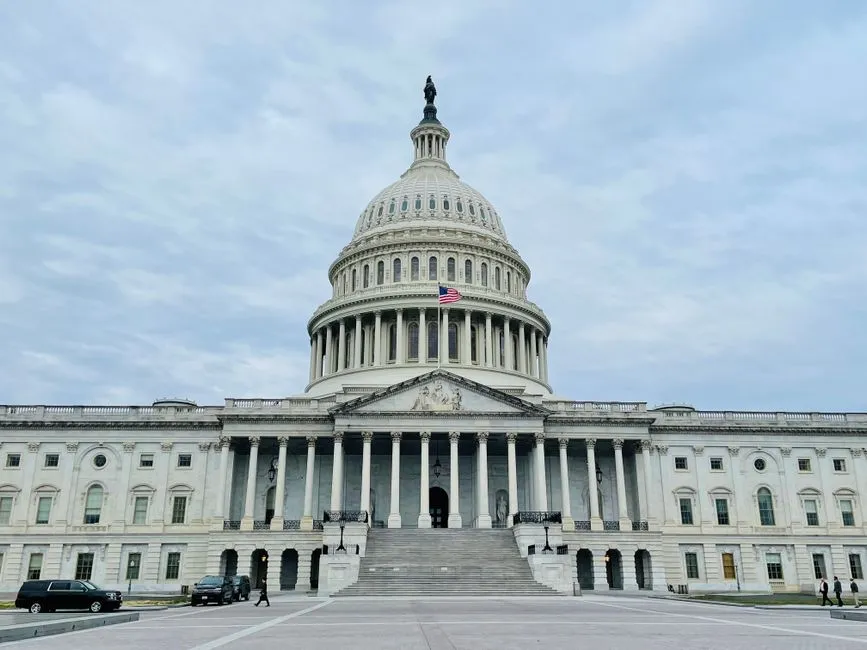
The United States regulatory landscape just hit a significant roadblock. As of July 18, federal agencies failed to meet a critical deadline tied to the newly passed GENIUS Act, leaving a major chunk of stablecoin regulations unfinished. With the law officially slated to take effect in January 2027, this delay has sparked intense discussion across the digital asset industry about how, and when, clear rules will finally emerge.
Understanding the GENIUS Act and Its Stablecoin Focus
At its core, the GENIUS Act represents one of the most comprehensive attempts to date to bring structure to the rapidly evolving cryptocurrency market. While the legislation covers several aspects of digital asset oversight, its most immediate impact centers on stablecoins. These dollar-pegged tokens have become essential tools for everything from everyday transactions to institutional treasury management, yet they have historically operated in a regulatory gray area. The Act aims to change that by establishing clear reserve requirements, transparency standards, and operational guidelines for issuers.
However, passing a law is only half the battle. The real work begins when regulatory bodies like the Treasury Department, the Federal Reserve, and the Office of the Comptroller of the Currency draft the implementing rules. That is exactly where things have stalled.
Why the July 18 Deadline Was Critical
The July 18 mark was not arbitrarily chosen. It was set as a milestone to ensure that foundational rulemaking would be completed well before the January 2027 enforcement date. Missing this target means that agencies have less time than anticipated to finalize complex provisions, conduct public comment periods, and address potential legal challenges. For stablecoin issuers who have been preparing to align their operations with federal standards, this delay creates a period of uncertainty that could impact product rollouts, compliance budgets, and strategic planning.
What’s Behind the Regulatory Delay?
Several factors likely contributed to the missed deadline. To understand the full picture, it helps to break down the primary hurdles regulators are facing:
- Complexity of Stablecoin Mechanics: Regulators must balance innovation with consumer protection. Ensuring that reserves are fully backed, audited regularly, and accessible during market stress requires meticulous drafting and technical expertise.
- Interagency Coordination Challenges: The GENIUS Act touches multiple federal departments, each with its own mandate, risk tolerance, and legal framework. Reaching a unified stance often takes months of internal negotiation.
- Industry and Political Input: Stakeholders ranging from traditional financial institutions to decentralized finance advocates have pushed for different interpretations of the law. Incorporating public feedback and navigating lobbying efforts naturally slows the process.
Looking Ahead to January 2027
With the enforcement date now less than two years away, pressure is mounting on regulators to accelerate their work. The remaining timeline will likely see a flurry of proposed rules, emergency guidance, and possibly interim frameworks to bridge the gap until final regulations are codified. Industry participants are already adapting by building flexible compliance infrastructure and engaging directly with policymakers through public consultations. Some have also turned to existing state-level regulations and federal guidance as temporary guardrails.
What This Means for Investors and Businesses
For everyday investors, the delay means that the stablecoin landscape will remain largely unchanged for now, but with the promise of greater transparency on the horizon. Clear rules could eventually reduce the risk of issuer failures and improve reserve accountability. For businesses operating in the crypto space, however, the uncertainty requires careful navigation. Companies may need to prepare for multiple regulatory scenarios, maintain robust audit trails, and stay agile as guidance evolves. Long-term, a well-structured regulatory framework could actually benefit the industry by legitimizing stablecoins as mainstream financial instruments.
While missing the July 18 deadline is certainly a setback, it is not necessarily a dealbreaker. Regulatory processes are rarely linear, and the GENIUS Act still provides a clear legislative mandate. The next eighteen months will be crucial in determining whether regulators can deliver a coherent, workable framework before the January 2027 deadline. For now, the industry will have to wait, watch, and prepare for whatever rules eventually emerge.