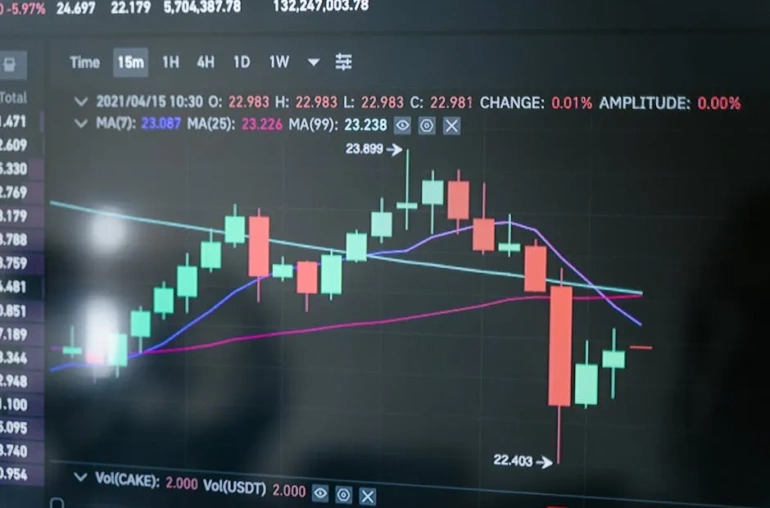
Understanding the Crypto Market’s ‘Fear’ Sentiment Amid Recent Developments
The cryptocurrency market has been experiencing a tumultuous phase, particularly following the recent trade deal between Donald Trump and China. This significant political event has led to heightened uncertainty and a prevailing sentiment of fear among crypto investors. In this article, we’ll dive into the implications of this sentiment and what it means for the future of cryptocurrencies.
The Current State of the Market
As of now, the crypto market is firmly entrenched in a state of fear, with many investors feeling anxious about their holdings. This sentiment is not just a fleeting reaction to recent news; it reflects deeper concerns about market stability, regulatory changes, and global economic conditions. Analysts have pointed out that the current downturn in October could be remembered as one of the “bottom days in hindsight.” This suggests that while the market appears bleak now, it may present opportunities for recovery in the future.
Factors Influencing Market Sentiment
Several factors contribute to the prevailing fear in the crypto market:
- Geopolitical Tensions: The trade deal between the United States and China has introduced a layer of complexity that affects investor confidence. Uncertainty regarding international relations can lead to volatility in various markets, including cryptocurrencies.
- Market Volatility: Cryptocurrencies are inherently volatile assets. The dramatic price fluctuations can trigger fear among investors, especially during downturns.
- Regulatory Environment: Ongoing discussions about cryptocurrency regulations can create an atmosphere of uncertainty, making investors hesitant to commit to long-term positions.
What Comes Next?
Looking ahead, investors should remain vigilant and informed. While the current sentiment may be heavily influenced by fear, history suggests that markets can often recover from downturns. A cautious approach, combined with thorough research, can help investors navigate this challenging landscape.
Moreover, as the situation evolves, new opportunities may arise. Investors who can withstand the emotional turmoil of market fluctuations might find themselves in a favorable position when the market eventually stabilizes.
Conclusion
In summary, the crypto market’s current state of fear is a reflection of broader economic concerns and specific geopolitical events. While it may be tempting to react impulsively to the downturn, a measured and informed approach can lead to better long-term outcomes. As we move forward, keeping a close eye on market trends and sentiment will be crucial for anyone looking to invest in cryptocurrencies.