The Gulf’s Tech Ambition Amidst Geopolitical Uncertainty
In the rapidly evolving landscape of global technology and finance, few regions are watching as closely as the United Arab Emirates. Recently, a notable shift has occurred in investment strategies involving artificial intelligence (AI) and digital assets. Despite the ongoing geopolitical friction and conflict in the region, particularly involving tensions with Iran, UAE investors are not retreating. Instead, they are doubling down. They are buying the dip in AI technology and maintaining their exposure to cryptocurrency and software sectors. This strategic move serves as a fascinating case study in how financial markets react to geopolitical stress.
The current situation presents a unique paradox. On one hand, there is the fear that regional instability could disrupt the supply chains and technological ambitions of the Gulf Cooperation Council (GCC). On the other hand, investors are seeing opportunities where others see only chaos. By purchasing assets in the tech dip, they are essentially betting on the long-term resilience of the Gulf’s vision to become a global tech hub.
Why the AI Dip is an Opportunity
Artificial intelligence has become the defining technology of our era, driving innovation across healthcare, finance, logistics, and governance. However, the stock market is never immune to sentiment driven by headlines. When news of regional conflict breaks, capital often flees perceived risky markets. Yet, UAE investors are behaving differently. They are accumulating positions in AI-related software and chip manufacturing.
This isn’t just blind optimism. There is a logical rationale behind this. The demand for AI infrastructure is global and consistent. As long as the technology continues to advance and solve real-world problems, the underlying assets remain valuable. By stepping in when prices are lower due to fear, investors are positioning themselves for significant growth once the dust settles. This approach highlights a maturity in the local investment class, moving beyond short-term speculation toward strategic long-term holding.
Crypto Exposure in a Time of Conflict
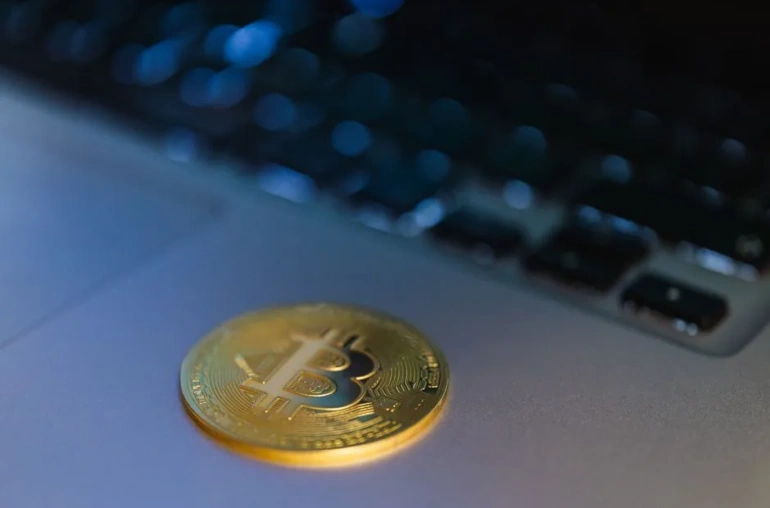
Perhaps the most surprising aspect of this trend is the continued exposure to cryptocurrency. In many parts of the world, digital assets have been associated with high volatility and regulatory uncertainty. In the Gulf, however, the narrative is shifting. Investors are recognizing that digital assets are not merely speculative tokens but rather a component of the broader digital economy.
Maintaining exposure to crypto assets during a conflict creates an interesting hedge. While traditional fiat currencies can be subject to control and instability in times of war, decentralized networks offer a layer of financial independence. For the UAE, which aims to be a financial gateway between East and West, maintaining a secure and modernized financial infrastructure is paramount. Cryptocurrency and blockchain technology are integral parts of that infrastructure. Investors are essentially saying that the value of digital networks transcends the immediate political friction.
The Stress-Test on the Gulf’s Tech Hub Bid
The ongoing tensions, specifically those related to the situation involving Iran, act as a stress-test for the region’s economic model. If the Gulf intends to lead the world in technology, it must demonstrate that its economy can withstand external shocks. By continuing to invest in these sectors, the market is signaling confidence. It suggests that the region’s tech prowess is not solely dependent on a specific geopolitical climate but is built on a foundation of innovation and infrastructure that can endure.
This resilience is crucial. If investors pull back now, it could slow down the development of critical technologies. Conversely, if they double down, they accelerate the region’s growth. The decision to keep buying the AI dip indicates that the fear of missing out (FOMO) on technological progress outweighs the fear of geopolitical risk. It is a bold statement that the future of the Gulf’s economy lies in these high-tech sectors.
Looking Ahead: What This Means for the Market
For the average market participant, understanding the mindset of these investors is vital. It suggests that we should not view regional instability as a complete stop to technological advancement. Instead, it may force a reallocation of resources toward more secure and decentralized forms of technology. The convergence of AI and blockchain is likely to accelerate, driven by the very need for robust systems during times of uncertainty.
Ultimately, the UAE’s strategy serves as a beacon for other emerging markets. It shows that technology can be a stabilizing force even when the political environment is turbulent. As the world watches the Gulf’s bid to be a global tech hub, these investment moves provide a clear signal: the future is digital, and the path to getting there requires steady, courageous investment, regardless of the headlines.
In conclusion, the decision by UAE investors to stay the course in AI and crypto is more than just a market move. It is a strategic affirmation of the region’s economic vision. As we watch the global market navigate these complex waters, the resilience shown by these investors offers a hopeful perspective on the power of technology to bridge divides and drive progress, even in the face of significant challenges.