Beyond Bitcoin: Blockchain’s Next Frontier is Water
The conversation around blockchain and cryptocurrency is rapidly evolving. While digital gold and speculative trading still dominate headlines, a quieter, more transformative movement is gaining momentum: the tokenization of real-world assets (RWAs). This isn’t about creating new currencies, but about bringing age-old infrastructure into the digital age to unlock capital and efficiency.
A bold new initiative is putting this theory into practice, with a focus on one of humanity’s most critical resources: water. A blockchain firm has unveiled an ambitious plan to channel $200 million into tokenized water infrastructure projects across Southeast Asia. This move signals a significant shift in how major projects can be funded and managed, leveraging the transparency and accessibility of blockchain technology.
Why Tokenize Water Infrastructure?
At its core, tokenization involves creating a digital representation of a physical asset on a blockchain. For a water treatment plant or a new reservoir, this means ownership or investment rights can be divided into digital tokens. These tokens can then be traded, sold, or held by investors globally.
The potential benefits are substantial:
- Democratized Investment: Large-scale infrastructure projects are typically funded by governments or massive institutional investors. Tokenization can break down these barriers, allowing a wider pool of smaller investors to participate.
- Enhanced Transparency: Every transaction and ownership record is immutably logged on the blockchain, reducing corruption and increasing trust in how funds are used and projects are managed.
- Improved Liquidity: Investors aren’t locked into a project for decades. They can trade their tokenized stake, creating a more fluid market for infrastructure investment.
The 2026 Tipping Point for Real-World Assets
This $200 million water plan is part of a larger trend that many crypto executives are watching closely. There is a growing consensus that 2026 could be a breakout year for the tokenized RWA market, with adoption accelerating fastest in emerging economies.
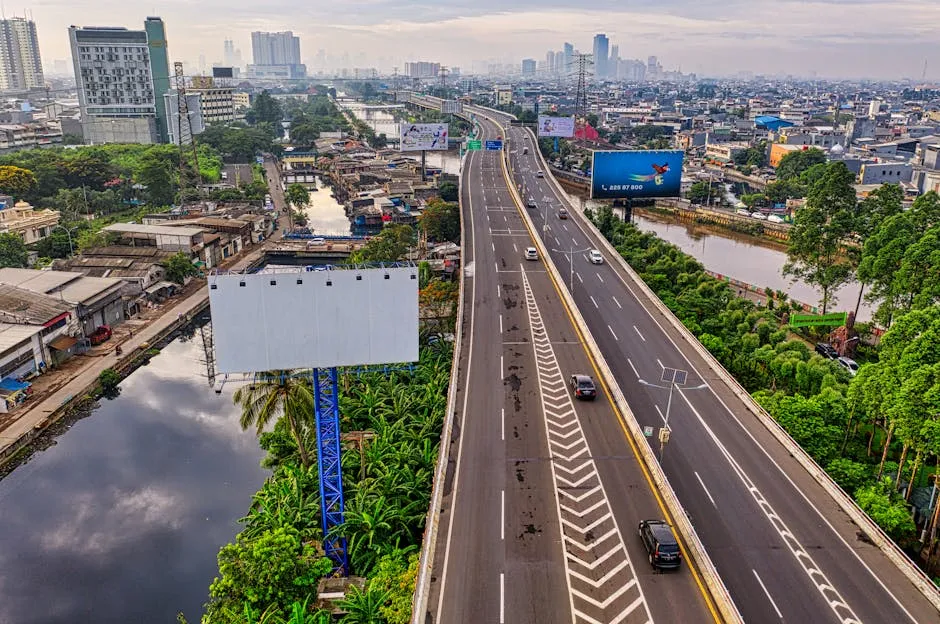
Regions like Southeast Asia present a perfect use case. There is a pressing need for modernized water systems, coupled with a tech-savvy population and, in some areas, a more agile regulatory environment for financial innovation. By using blockchain to fund these essential projects, developers can potentially bypass traditional, slower financing routes and accelerate vital construction.
Challenges on the Horizon
Of course, the path forward is not without obstacles. Regulatory frameworks for tokenized securities are still being defined in most jurisdictions. The physical nature of the assets also requires robust legal structures to ensure that digital token ownership is legally recognized as a claim on the real-world project. Furthermore, gaining the trust of both traditional infrastructure investors and the general public will be crucial for widespread adoption.
Despite these hurdles, the vision is clear. The initiative to tokenize $200 million worth of water projects is more than just a funding round; it’s a test case for a new model of building our world. If successful, it could pave the way for tokenizing everything from renewable energy grids to transportation networks, fundamentally changing how we finance and own the bedrock of modern society.