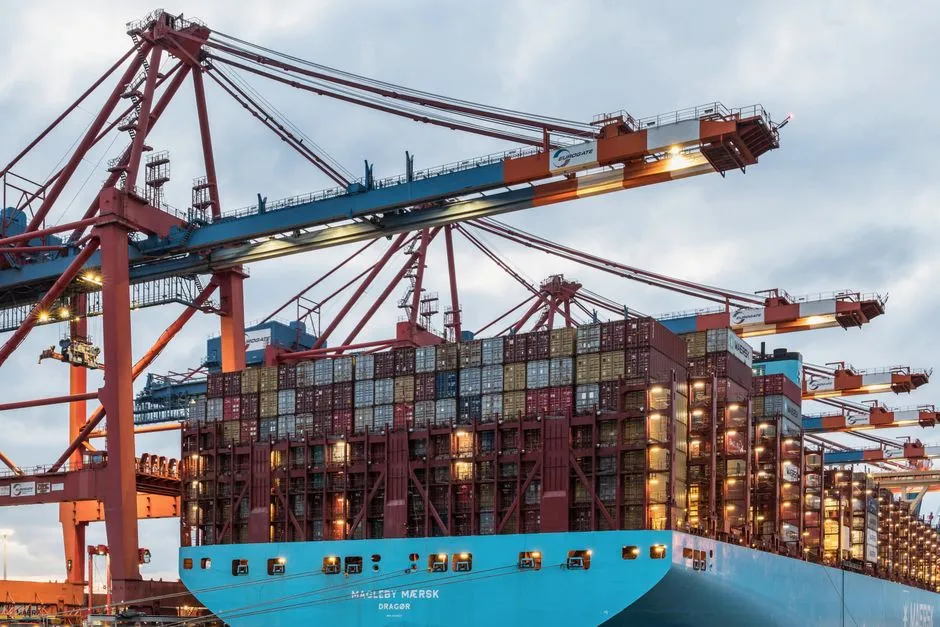
The global shipping industry moves nearly ninety percent of international trade. It is a massive, complex ecosystem that has historically operated behind closed doors, dominated by institutional players and burdened by opaque financing structures. For decades, anyone looking to invest in maritime assets faced a steep wall of entry. A single cargo vessel can cost anywhere from $30 million to $120 million, making traditional equity investment completely out of reach for everyday investors and smaller funds. That dynamic is finally shifting, thanks to a new initiative that bridges heavy industry with distributed ledger technology.
Breaking Down the Maritime Entry Barrier
Traditional maritime financing relies heavily on bank loans, private equity, and syndicated debt. While effective for large corporations, these methods are notoriously slow, paperwork-heavy, and exclusionary. They also struggle to provide real-time transparency regarding vessel performance, cargo routes, and operational expenses. This lack of visibility has kept the broader investment community on the sidelines, watching a highly profitable sector that simply does not share its data or ownership models in a digestible format.
Enter Ethra Ship, a platform that has spent the last four years operating actual maritime logistics before turning its attention to blockchain infrastructure. Rather than building a speculative token with no real-world backing, the team has taken its years of hands-on experience in vessel management and used it to design a practical on-chain protocol. The goal is straightforward: tokenize maritime assets and operational cash flows to create a transparent, liquid, and accessible market.
How the Protocol Actually Works
At its core, the new system converts physical ships and their associated revenue streams into digital tokens. This process, often referred to as real-world asset (RWA) tokenization, allows a single $120 million vessel to be divided into thousands of smaller, tradeable units. Investors can purchase fractional shares, gaining exposure to freight earnings, charter agreements, and operational profits without needing to front millions in capital.
But tokenization is only half the equation. The real innovation lies in how the protocol handles the day-to-day realities of running a ship. Maritime operations involve constant variables: fuel consumption, port fees, maintenance schedules, and cargo manifests. Ethra Ship’s blockchain architecture captures this data automatically, feeding it into smart contracts that manage payouts, track compliance, and verify operational status. Instead of waiting months for audited financial reports, stakeholders can view verified, on-chain metrics in real time.
Key Advantages of On-Chain Maritime Operations
- Fractional Ownership: Lowers the capital requirement from millions to a few hundred dollars, opening the market to retail and mid-tier institutional investors.
- Automated Revenue Distribution: Smart contracts handle profit sharing and operational expenses, reducing administrative overhead and payment delays.
- Enhanced Transparency: Every transaction, route update, and compliance check is recorded on an immutable ledger, building trust among investors and regulators.
- Liquidity for Illiquid Assets: Ships are notoriously difficult to sell quickly. Tokenized shares can be traded on secondary markets, giving investors an exit strategy that traditional maritime finance rarely offers.
Bridging Heavy Industry and Digital Finance
What sets this initiative apart from other blockchain ventures is its foundation in actual logistics. Too many crypto projects promise to disrupt traditional industries without ever stepping foot in a port or signing a charter party. Ethra Ship’s four-year track record in maritime operations means the protocol was built around real pain points: delayed payments, fragmented data, and capital inefficiency. By anchoring the technology in proven operational workflows, the platform avoids the common pitfall of solving imaginary problems.
The maritime sector is also facing increasing pressure to meet environmental regulations and improve fuel efficiency. On-chain tracking provides a natural framework for monitoring carbon emissions, verifying sustainable fuel usage, and ensuring compliance with international maritime laws. This data layer could eventually connect with carbon credit markets, creating additional revenue streams for vessel operators who prioritize green logistics. When physical operations meet digital verification, the entire supply chain becomes more accountable and efficient.
Looking Toward the Horizon
The tokenization of real-world assets is rapidly moving from experimental to mainstream. As regulatory frameworks mature and institutional adoption grows, sectors like real estate, agriculture, and now shipping are finding new ways to unlock trapped value. Ethra Ship’s protocol demonstrates that blockchain is no longer just about speculative trading; it is a functional infrastructure layer capable of modernizing century-old industries.
For investors, this means a new asset class is becoming accessible. For ship owners and logistics companies, it means streamlined financing and operational clarity. The billion-dollar shipping market has spent decades running on paper trails and phone calls. With a transparent, decentralized alternative now in motion, the tide is finally turning toward a more efficient and inclusive future. As more operators adopt these tools, we will likely see a ripple effect across global trade, proving that blockchain’s greatest strength lies not in replacing traditional markets, but in making them work better for everyone involved.