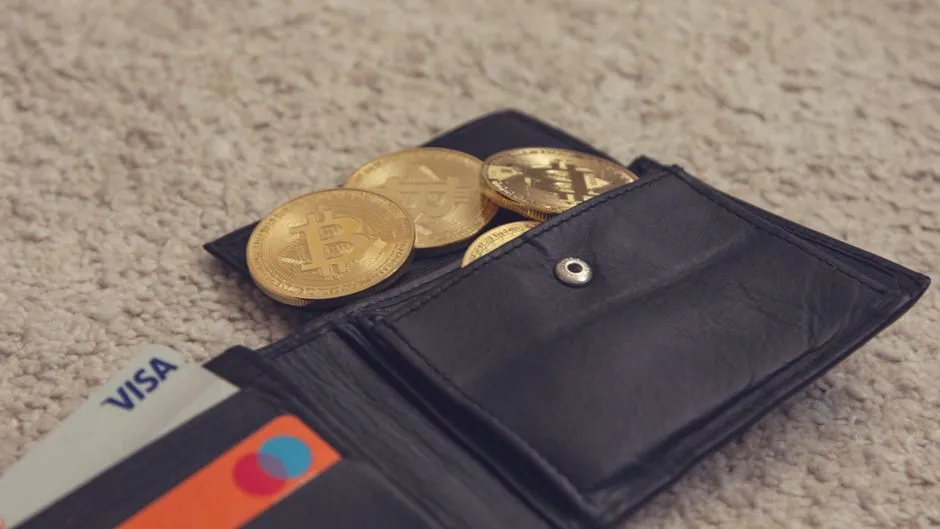
The philosophy behind Bitcoin has always been clear: financial sovereignty belongs to the individual. For years, the crypto community has rallied behind the mantra that if you do not control your private keys, you do not truly own your assets. Yet, a recent wave of criticism from Bitcoin Archive has reignited a heated debate about whether the current state of self-custody actually lives up to that promise. The core issue is not a lack of security, but a glaring deficit in user experience. As the industry pushes toward mainstream adoption, the friction created by clunky wallet interfaces and complex recovery methods is becoming a significant roadblock.
The Promise and Reality of Self-Custody
Self-custody represents the ultimate expression of decentralization. It removes intermediaries like banks and exchanges from the equation, placing full responsibility directly in the hands of the user. In theory, this is empowering. In practice, however, it requires a level of technical literacy and ongoing maintenance that many everyday users simply do not have. When wallets demand that users navigate complex menu structures, manually verify transaction fees, or troubleshoot network connectivity issues, the experience quickly shifts from empowering to exhausting. The recent criticism highlights a uncomfortable truth: the tools we built to protect our assets have become so difficult to use that they are actively discouraging people from taking control of their own finances.
The Seed Phrase Bottleneck
At the heart of the self-custody debate is the recovery phrase, commonly known as the seed phrase. These twelve to twenty-four words serve as the master key to a wallet, allowing users to restore their funds if their device is lost or damaged. While cryptographically sound, the seed phrase model introduces a massive psychological and practical burden.
Why Recovery Phrases Feel Like a Hurdle
For a newcomer, being handed a list of seemingly random words and told that losing them means permanent financial loss is a stressful proposition. Users face an impossible choice: write them down on paper and risk physical loss or damage, or save them digitally and risk hacking or data breaches. Furthermore, the process of manually entering these words during setup or recovery is error-prone. A single mistyped word can lock a user out of their funds indefinitely. This friction creates a dependency loop where many users simply abandon self-custody altogether, opting instead for custodial exchanges that offer password resets and customer support, despite the inherent risks of giving up control.
How Poor UX Stalls Mainstream Adoption
Technology only achieves mass adoption when it becomes invisible. Consider how traditional banking apps handle security. Users log in with biometrics or simple passwords, and the underlying encryption, fraud detection, and account recovery mechanisms operate seamlessly in the background. Crypto wallets have not yet reached that level of polish. The current user experience often feels like a developer sandbox rather than a consumer product.
- Complex Onboarding: New users are bombarded with technical jargon like gas fees, network confirmations, and address formats before they can even send their first transaction.
- Fragmented Ecosystem: The sheer number of wallet options, each with different interfaces and security models, creates decision fatigue.
- Lack of Intuitive Recovery: Social recovery and biometric backups are still experimental or poorly implemented across many platforms, leaving seed phrases as the only reliable option.
When the barrier to entry is this high, it naturally filters out the general public. This keeps Bitcoin and other digital assets confined to a niche of early adopters and technical enthusiasts, slowing the very adoption curve that the industry claims to champion.
What Developers and the Industry Must Do Next
Resolving this standoff does not mean sacrificing security for convenience. Rather, it requires a fundamental redesign of how wallets interact with users. The industry is already experimenting with promising solutions. Multi-party computation (MPC) wallets distribute key fragments across different servers and devices, eliminating the need for a single seed phrase while maintaining strong security. Social recovery models allow trusted contacts to help restore access without ever seeing the private keys. Additionally, better onboarding flows that use progressive disclosure can teach users about security gradually, rather than overwhelming them at sign-up.
Wallet developers must prioritize human-centered design over cryptographic novelty. This means rigorous usability testing with non-technical users, implementing fail-safes that prevent irreversible errors, and creating intuitive interfaces that guide users through complex processes without exposing them to unnecessary risk. The goal should be a wallet that feels as secure as a hardware device but as simple as a mobile banking app.
Conclusion
The debate over Bitcoin self-custody is far from a theoretical exercise. It is a practical challenge that will determine whether digital assets remain a niche technology or become a cornerstone of global finance. Criticism of poor wallet UX is not an attack on decentralization; it is a necessary push toward maturation. If the industry wants true adoption, it must bridge the gap between cryptographic excellence and everyday usability. Self-custody matters more than ever, but it will only thrive when the tools behind it are accessible, intuitive, and genuinely user-friendly. The path forward requires developers to listen, iterate, and ultimately build wallets that protect assets without punishing the people who hold them.