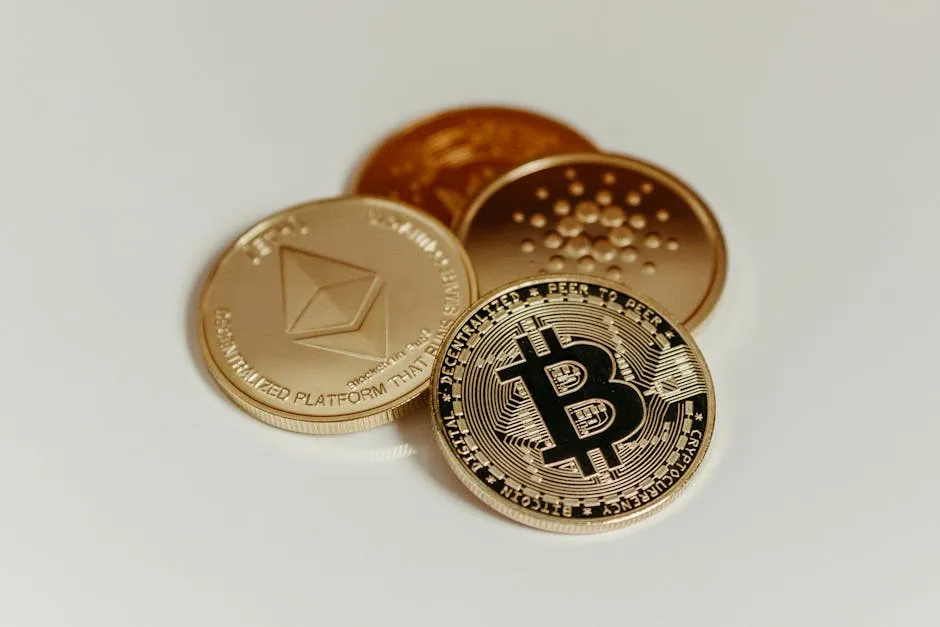
The Future of Tokenization: How Solana and Ethereum Can Thrive Together
The race for dominance in the tokenization of assets is heating up, with major players like Ethereum and Solana leading the charge. According to Rob Hadick from Dragonfly VC, there is ample space in the crypto ecosystem for multiple blockchains to coexist and thrive. This perspective opens up intriguing possibilities for the future of digital assets.
The Tokenization Landscape
Tokenization refers to the process of converting rights to an asset into a digital token on a blockchain. This technology has the potential to revolutionize various sectors, including real estate, art, and finance, by providing a secure and transparent way to manage ownership and transactions.
As the crypto market matures, the competition among blockchains to capture market share in tokenized assets is intensifying. Ethereum, with its established ecosystem and wide range of decentralized applications (dApps), has long been the frontrunner. However, Solana has emerged as a formidable competitor, offering high speed and lower transaction costs, which appeal to developers and businesses exploring tokenization.
Diverse Strengths of Solana and Ethereum
One of the key arguments for the coexistence of Solana and Ethereum is their differing strengths. Ethereum remains the go-to platform for creating complex smart contracts and dApps, supported by a large community and extensive tools for developers. Its robust security features and extensive network make it a preferred choice for many enterprises.
On the other hand, Solana’s unique architecture allows for faster transaction processing and lower fees, making it particularly attractive for projects that require high throughput. This makes it ideal for applications in decentralized finance (DeFi) and non-fungible tokens (NFTs), where speed and cost-efficiency are critical.
Room for Collaboration
Hadick emphasizes that rather than viewing the relationship between Solana and Ethereum as a zero-sum game, stakeholders should consider the potential for collaboration. As the market for tokenized assets evolves, multiple blockchains can serve different needs and use cases. This diversity can foster innovation and encourage a healthy competitive environment.
For developers and businesses, this means more options and flexibility when choosing a blockchain for their projects. It also allows for the possibility of cross-chain interoperability, where assets can move seamlessly between different networks, further enhancing the utility of tokenized assets.
The Road Ahead
The future of tokenization in the blockchain space looks promising, with Ethereum and Solana carving out their niches. As both networks continue to develop and adapt, the crypto community can expect to see exciting advancements and new applications emerge.
Investors and enthusiasts alike should keep an eye on how these platforms evolve and how they can coexist in this rapidly changing landscape. With the right strategies and innovations, both Solana and Ethereum can not only survive but thrive in the race for tokenized assets.
In conclusion, the tokenization race is not about one blockchain emerging victorious over the other. Instead, it’s about recognizing the strengths of each platform and the opportunities that lie in a diverse blockchain ecosystem.