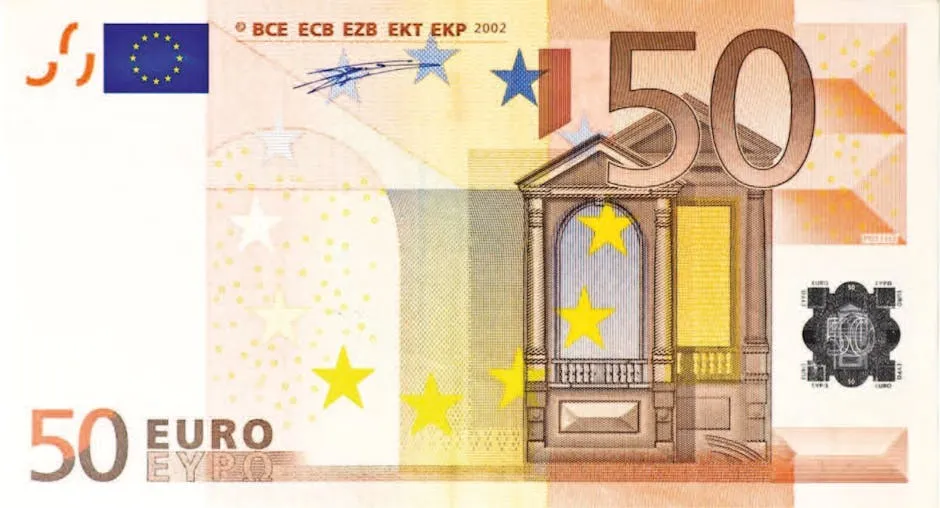
The Digital Euro Moves Closer to Reality
The European Central Bank (ECB) is taking a decisive step forward in its ambitious plan to create a digital version of the euro. According to recent announcements, the central bank is set to begin the crucial process of selecting licensed payment service providers (PSPs) to participate in a landmark pilot program. This selection phase is scheduled to commence in the first quarter of 2026, paving the way for a full-scale, 12-month pilot launch in the second half of 2027.
Building the Foundation for a Digital Currency
This move marks a significant transition from theoretical design to practical implementation. The ECB is not building this new digital currency in isolation. Instead, it is seeking to collaborate with established players in the European financial ecosystem. By partnering with EU-licensed payment providers, the ECB aims to ensure the digital euro integrates seamlessly with existing financial infrastructure, offering a secure and efficient tool for everyday transactions.
The selection of these partners is a critical milestone. These providers will be instrumental in developing the user-facing applications, payment processing systems, and backend infrastructure that will bring the digital euro to life for consumers and businesses across the Eurozone.
What to Expect from the 2027 Pilot
The planned pilot, set to run for a full year starting in late 2027, will be a comprehensive test of the digital euro’s functionality in real-world scenarios. While specific details are still being finalized, the pilot is expected to focus on key areas such as:
- Retail Payments: Testing how the digital euro works for everyday purchases in stores and online.
- Peer-to-Peer Transfers: Evaluating the ease and speed of sending money directly between individuals.
- Offline Functionality: A crucial feature that would allow transactions to occur without an internet connection, enhancing accessibility and privacy.
- Integration with Banking Apps: Ensuring the digital euro wallet can operate smoothly within existing mobile banking applications offered by commercial banks.
The Broader Context and Implications
The ECB’s push for a digital euro is part of a global trend among central banks exploring Central Bank Digital Currencies (CBDCs). These digital currencies are seen as a way to modernize financial systems, improve payment efficiency, and provide a public digital payment option alongside private solutions. For the Eurozone, a digital euro is also framed as a strategic initiative to bolster monetary sovereignty and ensure European citizens have access to a secure, state-backed digital payment method in an increasingly digital economy.
As the selection process for payment providers begins in early 2026, the financial and technology sectors across Europe will be watching closely. The development of the digital euro represents one of the most significant financial infrastructure projects of the decade, with the potential to reshape how money is used across the continent.