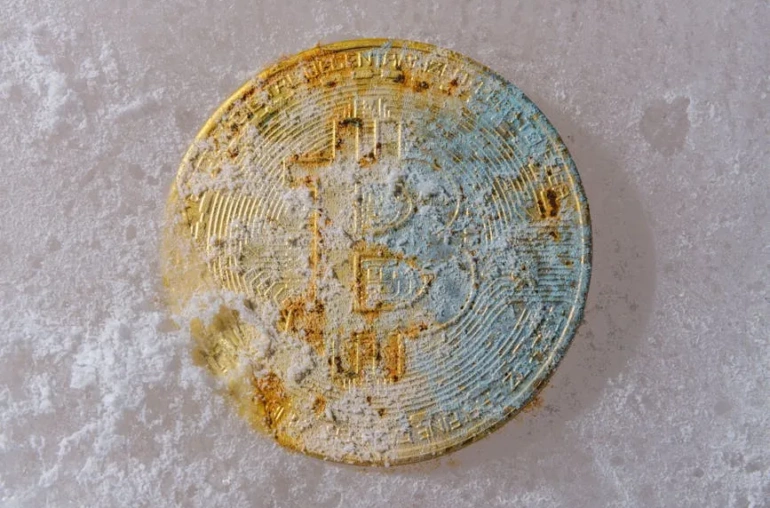
Texas Takes a Bold Step in Bitcoin: $5M Investment in BlackRock’s ETF
In a significant move that reflects the growing acceptance of cryptocurrency at the state level, Texas has recently made headlines by investing $5 million in BlackRock’s Bitcoin ETF, known as IBIT. This investment comes at a time when Bitcoin is experiencing a dip, presenting a strategic opportunity for the Lone Star State to enhance its digital asset portfolio.
The Growing Trend of State-Level Cryptocurrency Adoption
Texas is not alone in this endeavor; it represents a broader trend of states across the U.S. exploring investments in digital currencies. With the increasing legitimacy of cryptocurrencies, many states are beginning to recognize the potential benefits that come with integrating these assets into their financial strategies.
This latest move by Texas showcases its commitment to remaining at the forefront of the cryptocurrency revolution. By allocating additional resources to direct, self-custodied Bitcoin, the state is signaling its intention to embrace digital assets fully. The decision underscores a growing belief among policymakers that Bitcoin and other cryptocurrencies could play a vital role in the future economy.
Understanding the Investment in BlackRock’s IBIT
BlackRock, a titan in the asset management industry, has made waves with its foray into the Bitcoin space through its ETF. The IBIT ETF offers investors a regulated way to gain exposure to Bitcoin, which appeals to institutional and retail investors alike. By investing in this ETF, Texas is leveraging BlackRock’s expertise in asset management while also taking a position in a volatile yet potentially rewarding market.
What This Means for Texas and Beyond
The implications of Texas’s investment extend beyond immediate financial gains. It represents a strategic positioning that could attract more digital asset businesses and investors to the state, further solidifying Texas’s reputation as a business-friendly environment. Moreover, as more states follow suit, we could witness a significant shift in how cryptocurrencies are perceived and regulated across the nation.
As Bitcoin continues to gain traction, state-level investments like Texas’s could pave the way for more robust regulatory frameworks that support digital currencies while ensuring investor protection. This could lead to a more stable market environment and potentially bolster public confidence in cryptocurrencies.
Conclusion
Texas’s $5 million investment in BlackRock’s Bitcoin ETF is a noteworthy development in the evolving landscape of cryptocurrency. It illustrates the state’s proactive approach toward embracing digital assets, which could inspire other states to consider similar strategies. As we watch this space unfold, it’s clear that the dialogue around cryptocurrency is shifting, with increasing recognition of its role in the future economy.