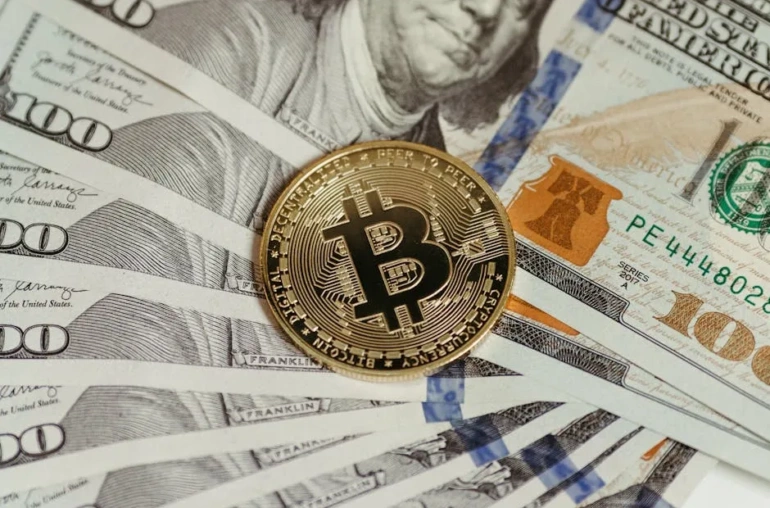
Texas Makes History with First State Bitcoin Purchase
In a groundbreaking move, Texas has become the first state in the United States to purchase and hold Bitcoin. This decision comes at a time when the cryptocurrency market is experiencing a notable downturn. The implications of this action are significant, not just for Texas, but for the entire nation as it navigates the evolving landscape of digital currencies.
Why Did Texas Buy Bitcoin During a Market Pullback?
One of the most intriguing aspects of Texas’ decision to invest in Bitcoin is the timing. Traditionally, buying into an asset during a market downturn can be seen as a risky endeavor. However, Texas appears to be taking a long-term perspective, viewing Bitcoin not just as a speculative investment but as a strategic asset that could fortify its financial standing in the future.
State officials have expressed a belief that Bitcoin could serve as a hedge against inflation and future economic uncertainties. By acquiring Bitcoin, Texas positions itself not only to capitalize on potential future price increases but also to enhance its stature as a forward-thinking state in the financial and technological arenas.
Influence on National Crypto Policy
Texas’ pioneering move could have ripple effects throughout the United States when it comes to cryptocurrency policy. As states look to Texas as a model, there may be an increased interest in adopting similar strategies. This could lead to a greater acceptance of cryptocurrencies at the state level and potentially influence federal regulations as well.
With the federal government still in the process of formulating comprehensive crypto regulations, Texas’ proactive approach may push other states to reconsider their stance on digital currencies. If more states follow suit, we could witness a significant shift in how cryptocurrencies are regulated and perceived across the country.
The Bigger Picture: What This Means for the Crypto Market
The purchase of Bitcoin by Texas is emblematic of a broader trend where institutional and governmental bodies are beginning to embrace cryptocurrencies. This move could signal to other states and investors that Bitcoin is a legitimate asset class worth considering, even during turbulent market conditions.
Moreover, as states begin to adopt and invest in cryptocurrencies, it could potentially lead to more robust infrastructure for crypto transactions. Increased acceptance by governmental entities may encourage businesses and individuals to engage with cryptocurrencies, fostering a more vibrant digital economy.
Conclusion
Texas’ landmark decision to purchase Bitcoin during a market downturn is a bold statement about the future of cryptocurrency in the United States. As the first state to make such a significant investment, Texas sets a precedent that could inspire other states to follow. With potential implications for both state and national policy, this move might very well be the catalyst for a more widespread acceptance of cryptocurrencies across the nation.
As we observe the developments in this space, one thing is clear: Texas is not just betting on Bitcoin; it is betting on a future where digital currencies play a vital role in the economy.