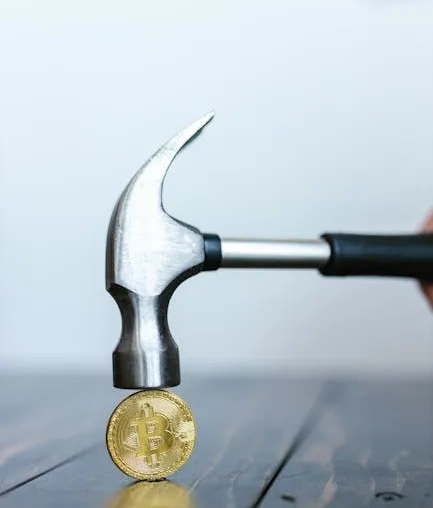
Tether CEO Responds to S&P Downgrade and FUD from Influencers
In the world of cryptocurrency, few topics generate as much discussion and debate as the stability of stablecoins. Recently, Tether (USDT) found itself in the spotlight when S&P Global Ratings downgraded its outlook regarding the ability of USDt to maintain its peg to the US dollar. This assessment, which raised eyebrows across the crypto community, was met with a firm rebuttal from Tether’s CEO, Paolo Ardoino.
Understanding the Downgrade
S&P’s decision to downgrade USDt was largely based on concerns surrounding Tether’s reserves, particularly its holdings in Bitcoin and gold. The ratings agency expressed apprehension about how these assets could impact USDt’s stability, given the inherent volatility associated with cryptocurrencies and the precious metals market. This downgrade prompted a flurry of reactions from various factions within the cryptocurrency industry.
Tether’s CEO Speaks Out
In response to the S&P downgrade, Ardoino took to social media and public forums to address the concerns raised. He emphasized that Tether’s reserves are not only robust but also strategically diversified. According to Ardoino, the company is committed to transparency and regularly publishes reports that detail its reserves, aiming to reassure users about the stability of USDt.
Ardoino criticized both the S&P ratings agency and influencers who spread what he termed “FUD” (Fear, Uncertainty, and Doubt) regarding Tether and USDt. He highlighted that misinformation can significantly impact market perceptions and the overall stability of cryptocurrencies. “We must combat the FUD with facts,” he stated, asserting that Tether’s financial health remains strong.
The Broader Implications for the Crypto Market
The incident serves as a reminder of the fragility of the crypto market, where information—be it factual or misleading—can lead to volatility. Tether, being one of the largest stablecoins in circulation, plays a critical role in providing liquidity and stability to the broader cryptocurrency ecosystem. Any doubts regarding its reliability can ripple through the market, affecting traders and investors alike.
Moving Forward
As the cryptocurrency landscape continues to evolve, it is essential for projects like Tether to maintain open lines of communication with their users and the broader financial community. Ardoino’s proactive stance against misinformation is a step in the right direction, but it also highlights the need for increased scrutiny from regulatory bodies and greater transparency from stablecoin issuers.
Ultimately, the future of USDt and Tether will depend not only on their ability to maintain their peg but also on how effectively they can navigate the challenges posed by market perceptions and regulatory pressures. As we look ahead, one thing is clear: the conversation around stablecoins like Tether will remain a focal point in the ongoing debate about the future of cryptocurrency.