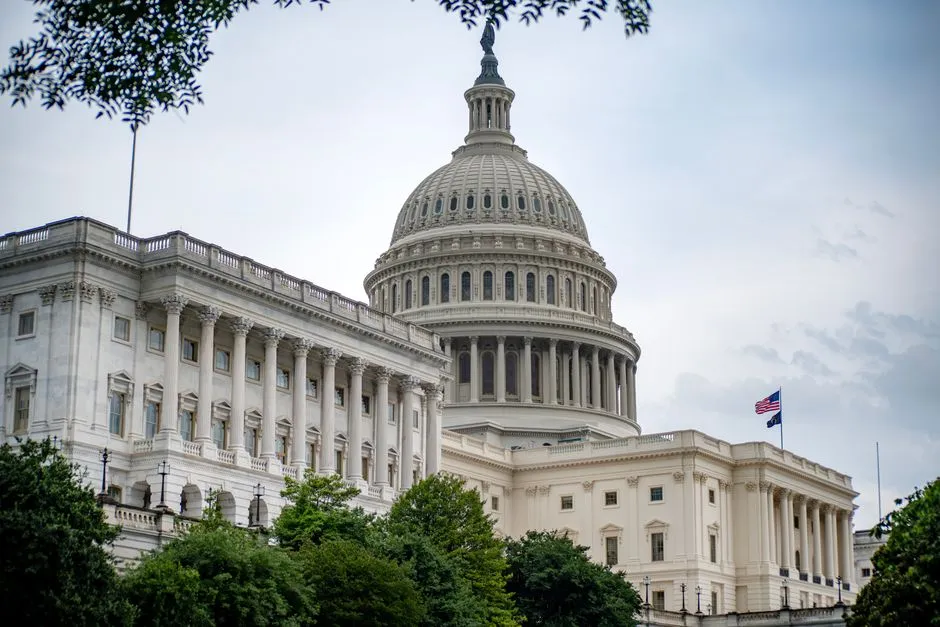
The regulatory landscape for digital assets is shifting rapidly, and few developments highlight the tension between federal authority and state oversight quite like the ongoing debate surrounding the GENIUS Act. As the Treasury Department prepares to finalize its rulemaking process following a recently closed public comment period, a growing coalition of senators is stepping up to ensure that state regulators remain a central part of the stablecoin oversight framework. This pushback is not just a procedural dispute; it is a fundamental conversation about who gets to shape the future of digital finance in the United States.
The Battle Over Stablecoin Oversight
Stablecoins have quickly become one of the most widely used tools in the cryptocurrency ecosystem. Designed to maintain a steady value by pegging to traditional currencies like the U.S. dollar, they bridge the gap between volatile digital assets and everyday financial transactions. Because of their growing adoption, lawmakers and regulators recognize that stablecoins require a clear, consistent regulatory structure. The GENIUS Act was introduced to provide exactly that, but the path to implementation has revealed a significant divide over jurisdictional authority.
What the GENIUS Act Actually Proposes
At its core, the GENIUS Act aims to establish a comprehensive federal framework for stablecoin issuance and management. The legislation seeks to address key concerns such as reserve backing, transparency, consumer protection, and systemic financial risk. By setting federal standards, the goal is to create a level playing field for issuers and reduce the compliance headaches that come with navigating a patchwork of state laws. However, the proposal has sparked intense debate about whether federal rules should completely override state-level oversight or work alongside it.
Why State Regulators Matter in Digital Finance
Senators advocating for a multi-tiered regulatory approach argue that state financial regulators bring essential expertise and localized accountability to the table. For decades, states have played a critical role in policing financial products, monitoring consumer complaints, and enforcing anti-fraud measures. Agencies like the New York Department of Financial Services have already set rigorous precedents for digital asset licensing and compliance. Removing state regulators from the equation could leave gaps in consumer protection and diminish the ability of local authorities to respond quickly to emerging risks within their jurisdictions.
The Treasury’s Role and the Closing Comment Period
As the final rulemaking process moves forward, the Treasury Department holds significant sway over how stablecoin regulations will ultimately be structured. The recent closure of the public comment period marks a pivotal moment, as policymakers now sift through thousands of submissions from industry leaders, legal experts, consumer advocates, and state officials. Many of these comments emphasize the need for a cooperative federalism model, where federal agencies set baseline standards while state regulators retain the authority to enforce additional safeguards tailored to their local economies.
Navigating a Dual-Regulatory Future
The push from senators to preserve state involvement reflects a broader recognition that financial innovation rarely fits neatly into a single regulatory box. A dual-regulatory model could offer the best of both worlds: federal consistency to support interstate commerce and market stability, paired with state-level agility to address regional consumer needs and enforce compliance on the ground. This approach mirrors how traditional banking and securities markets have operated for years, suggesting that digital assets might benefit from a similar hybrid structure.
What This Means for the Crypto Industry
For stablecoin issuers and crypto businesses, the outcome of this regulatory debate will shape compliance strategies, operational costs, and long-term market access. A framework that harmonizes federal and state oversight could reduce uncertainty and provide clearer guidelines for innovation. On the other hand, a heavily centralized federal approach might streamline some processes but could also alienate state regulators who have already invested significant resources into digital asset supervision. Industry participants are watching closely, knowing that the final rules will set the tone for how digital currencies are integrated into the broader financial system.
As lawmakers, regulators, and industry stakeholders continue to negotiate the details of the GENIUS Act, one thing remains clear: the future of stablecoin regulation will not be decided by a single agency or level of government. The ongoing fight to keep state regulators at the table underscores a fundamental truth about American financial policy. Effective oversight requires collaboration, transparency, and a willingness to balance national consistency with local accountability. How this debate unfolds will ultimately determine whether the U.S. emerges as a global leader in digital finance or falls behind in a rapidly evolving market.