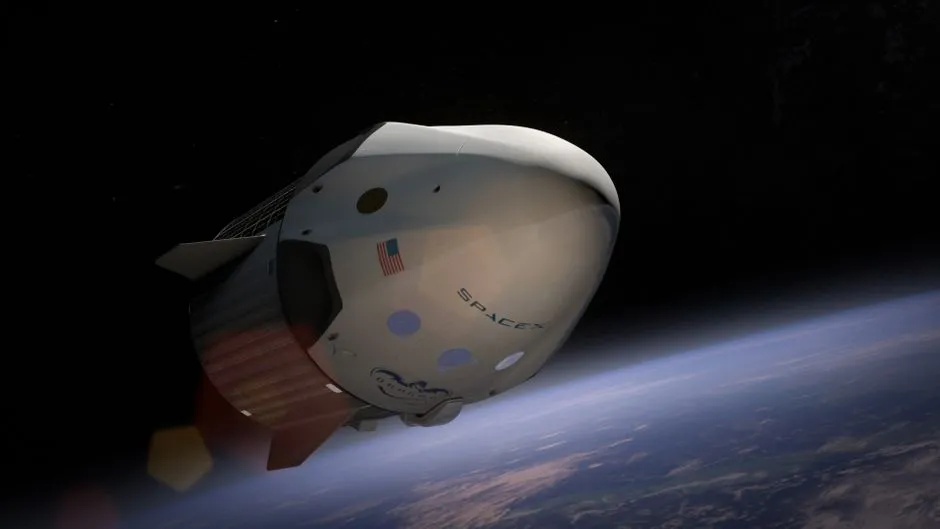
Just three weeks after completing what many analysts are calling the largest initial public offering in history, SpaceX has officially been added to the Nasdaq-100 index. The inclusion, which takes effect on July 7, marks a rapid transition from private powerhouse to public market heavyweight. While traditional Wall Street mechanisms are bracing for the influx of billions in passive index buying, a different kind of market has already been pricing in the move. In the decentralized trading ecosystem, tokenized shares and perpetual contracts on blockchains like Solana are moving at a pace that leaves traditional exchanges playing catch-up.
The Mechanics Behind the Nasdaq-100 Inclusion
Getting added to the Nasdaq-100 is not merely a ceremonial milestone. It triggers a massive, automated reallocation of capital across the financial system. Index-tracking funds, exchange-traded funds, and institutional portfolios are contractually obligated to adjust their holdings to match the index’s new composition. For a company like SpaceX, this means billions of dollars in passive buying will flow into its shares almost overnight. This mechanical demand typically provides a significant liquidity boost and stabilizes price volatility in the immediate aftermath of an IPO.
Historically, index inclusion takes months or even years as companies meet market capitalization, liquidity, and sector representation thresholds. SpaceX’s rapid entry highlights just how massive its public debut was. The market is essentially recognizing the company’s valuation and trading volume as immediately relevant to the broader tech and industrial sectors represented by the index.
The Parallel Market: Tokenized Shares on Solana
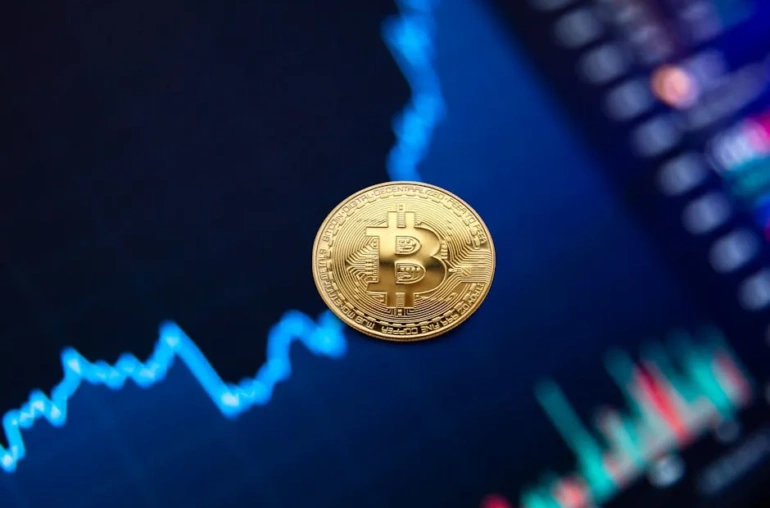
While traditional brokers and index funds prepare for the July 7 rebalancing, a parallel market has been operating around the clock. Tokenized shares, which are digital representations of traditional equities issued on blockchain networks, have already begun reflecting the Nasdaq-100 inclusion. On high-throughput networks like Solana, these tokens trade with near-instant settlement, zero counterparty risk in some structures, and continuous market hours.
Unlike traditional equity markets that operate within strict trading windows and settlement cycles, tokenized assets trade twenty-four hours a day, seven days a week. This means that when news broke about SpaceX’s index inclusion, crypto-native traders were able to react immediately. Price discovery in these decentralized venues often happens hours or even days before traditional exchanges fully adjust their order books. For retail and institutional traders alike, this creates a fascinating arbitrage environment where on-chain pricing can serve as a leading indicator for traditional market movements.
Perpetual Contracts and Real-Time Market Sentiment
Alongside tokenized equity, perpetual futures contracts have emerged as a primary vehicle for trading SpaceX’s public market debut. Perpetuals are derivatives that allow traders to take long or short positions without an expiration date, using funding rates to keep the contract price anchored to the underlying asset. In the crypto ecosystem, these instruments have become incredibly sophisticated, offering deep liquidity and institutional-grade order matching.
Traders using perpetual contracts are essentially betting on the direction of SpaceX’s stock price as it adjusts to its new index status. The volume and open interest in these markets provide a real-time pulse on market sentiment. When traditional analysts are still publishing research reports, decentralized traders are already executing leveraged positions based on on-chain data, order flow, and macroeconomic indicators. This dynamic underscores a broader shift in how financial markets operate: information asymmetry is shrinking, and execution speed is becoming the primary competitive advantage.
What This Means for the Future of Investing
The simultaneous movement of traditional index funds and decentralized token markets highlights a growing convergence between legacy finance and blockchain technology. While regulatory frameworks and institutional infrastructure still dictate the pace of adoption in traditional markets, the crypto ecosystem continues to experiment with faster, more transparent, and globally accessible trading mechanisms. Tokenized equities and perpetual contracts are not just speculative instruments; they are proof-of-concept platforms for a more efficient financial system.
For everyday investors, this shift offers both opportunity and responsibility. Access to round-the-clock trading and alternative pricing mechanisms means you are no longer bound by traditional market hours or delayed settlement cycles. However, it also requires a deeper understanding of how decentralized markets function, how funding rates impact leveraged positions, and how on-chain liquidity can differ from traditional exchange depth.
Final Thoughts
SpaceX’s entry into the Nasdaq-100 is a landmark moment for public markets, but the real story lies in how different financial ecosystems are responding to it. While Wall Street prepares to deploy billions in passive capital, decentralized markets are already trading the narrative, pricing in expectations, and demonstrating the speed and accessibility of modern digital finance. As tokenization continues to mature and regulatory clarity improves, the line between traditional equities and on-chain assets will only continue to blur. The market is evolving, and those who understand both sides of the equation will be best positioned to navigate what comes next.