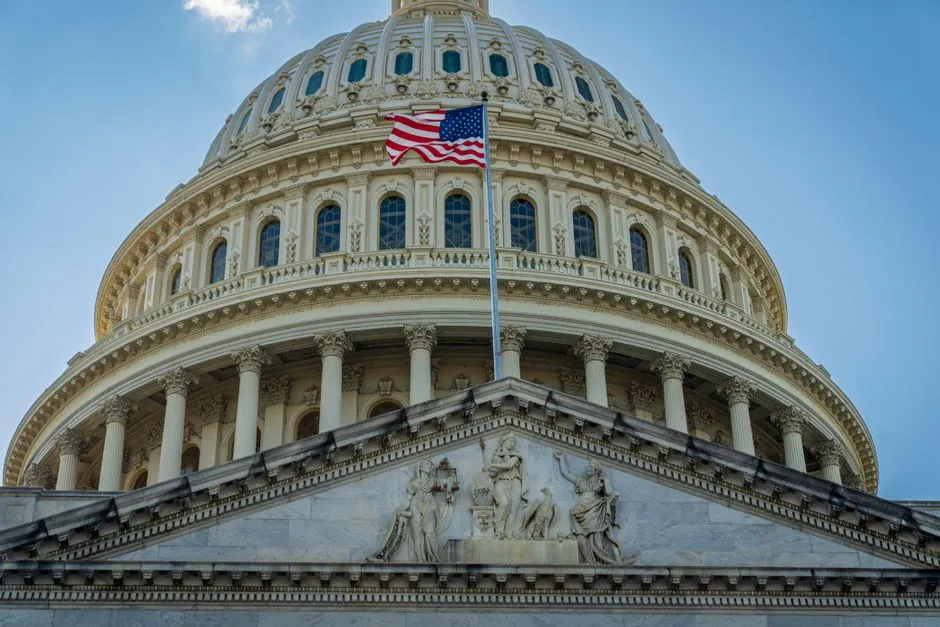
If the Senate’s move to kill the Clarity Act signals anything, it is that the future of U.S. crypto regulation may not be decided by clarity at all. It may be decided by who can afford to wait, who can lobby most effectively, and who can offer a more predictable environment when domestic rules remain uncertain. In that context, two groups stand out as beneficiaries: incumbent banks and offshore crypto hubs such as Dubai.
The debate over the Clarity Act was never really about abstract policy language. It was about who gets to control the next generation of financial plumbing: banks, asset managers, stablecoin issuers, offshore exchanges, and the jurisdictions competing to host them. When a major regulatory bill fails, the result is rarely a clean pause. Instead, it often reshapes the playing field in favor of those who are best positioned to operate in ambiguity.
Why banks are quietly pleased
One expert view is that the failure to pass the bill is a win for banks that have long opposed stablecoin yields. That may sound counterintuitive at first. After all, banks are often portrayed as being under pressure from crypto firms, fintechs, and decentralized finance protocols. But the real issue is not whether crypto can exist. The issue is whether crypto can compete directly with the core products that banks have sold for decades.
Stablecoin yields are the battleground.
A yield-bearing stablecoin is not just a digital dollar. It is a cash-management product that can compete with bank deposits, money market funds, and short-term treasury strategies. If stablecoin issuers are allowed to offer attractive, regulated yields, they can become a direct alternative to the banking system’s most basic revenue stream: holding cash and earning interest on it.
For banks, that is a serious threat.
The deposit problem
Banks depend on deposits. Deposits fund lending, support balance-sheet growth, and provide a relatively stable source of money. If institutional investors, corporations, or even retail users can move cash into stablecoin products that offer competitive yields, banks may face pressure on deposit balances and pricing power.
That is why the banking industry has been so vocal about stablecoin yield restrictions. A stablecoin that simply holds cash may be less threatening. A stablecoin that can be integrated into payment systems, institutional settlement, and yield-bearing treasury strategies is another matter entirely.
If the Clarity Act fails, the regulatory path for yield-bearing stablecoins becomes less clear. That does not stop innovation, but it does slow the ability of new entrants to build regulated, mainstream products. In the meantime, banks can continue to operate under the existing framework, lobby for rules that protect their franchise, and wait for a more favorable political moment.
Regulatory uncertainty as a moat
Uncertainty is often described as a risk, but for established financial institutions, it can also function as a moat. Banks have decades of regulatory relationships, compliance teams, lobbying budgets, and legal infrastructure. Crypto firms, by contrast, often need clarity to build products that can be offered to institutions, distributed through regulated channels, and integrated into traditional finance.
When rules are unclear, the advantage often goes to the incumbents. They can wait. They can adapt. They can argue that more study is needed. They can propose rules that protect their existing market position while appearing reasonable and cautious.
In that sense, the collapse of the Clarity Act is not simply a legislative setback. It is a strategic outcome for banks that do not want a fast, open, and yield-bearing stablecoin market competing directly with their core business.
Why Dubai and other offshore hubs benefit
The second major beneficiary of the U.S. regulatory stalemate is not a Wall Street institution. It is a group of foreign jurisdictions that have been actively competing to become the next global center for crypto finance. Dubai is the most prominent example, but it is not alone. Singapore, the Cayman Islands, the Bahamas, Switzerland, and other markets have all made serious efforts to attract crypto issuers, exchanges, custodians, and institutional service providers.
A global crypto lawyer’s view is that overseas jurisdictions benefit when U.S. rules remain uncertain. That is a straightforward point. If American firms, global issuers, and international investors cannot get clear domestic guidance, they look elsewhere for certainty.
Clarity sells
Crypto businesses do not want to operate in a legal vacuum. They want to know how to license their products, how to custody assets, how to market to institutional clients, how to handle taxes, and how to avoid being caught in a regulatory crackdown. When the U.S. cannot provide that clarity, other markets can position themselves as the alternative.
Dubai has been especially aggressive in this regard. It has spent years building a public narrative around crypto adoption, creating regulatory pathways, attracting global firms, and signaling to the market that digital assets are part of the future financial system. For a company deciding where to incorporate, list, or establish its headquarters, that kind of signal matters.
When Washington signals uncertainty, Dubai can signal openness. When the Senate kills a major clarity bill, offshore hubs can position themselves as the place where innovation can actually move forward. That is a powerful political and economic advantage.
Institutional crypto follows certainty
One of the biggest misconceptions about crypto is that it only matters to retail traders. In reality, the next phase of growth will likely depend on institutions: banks, asset managers, family offices, pension funds, corporate treasuries, and payment networks. These players need legal certainty, regulatory licensing, and clear compliance pathways.
If the U.S. cannot provide a stable framework, institutional activity may gravitate toward jurisdictions that can. That does not mean the U.S. loses all influence. American companies and protocols will remain central to the global crypto economy. But the center of gravity for certain types of regulated activity can shift. Tokenized funds, institutional custody, stablecoin issuance, digital-asset banking, and cross-border settlement may all become more attractive in markets that offer clearer rules.
Stablecoin yields: the real battleground
The stablecoin yield issue is the heart of this story. It is where banking interests, crypto innovation, and global competition intersect.
A stablecoin without yield is useful for payments, settlement, and treasury management. But a stablecoin with yield is a financial product. It can compete with cash management solutions, short-term investment products, and deposit-based banking services. That is why the debate is so intense.
What happens when yields are restricted
If stablecoin yields are restricted or delayed, banks retain more of the advantage. Cash continues to sit in bank accounts, money market funds, and traditional treasury products. Crypto firms can still build payment rails and settlement systems, but they may not be able to capture the full economic value of the cash they move through their networks.
If stablecoin yields are permitted, the market becomes more competitive. Banks may need to improve their own cash-management offerings. Asset managers may gain new distribution channels. Crypto issuers may become more relevant to institutional finance. The result is not that banks disappear, but their monopoly-like position in short-term cash is challenged.
Why the failure of the bill matters
The failure of the Clarity Act does not ban stablecoin yields. It simply removes a potential legislative path that could have resolved the issue. In a vacuum, the debate continues. Banks can keep arguing for restrictions. Crypto firms can keep pushing for a more open market. Offshore jurisdictions can keep saying, “Come to us if you want clarity.”
That is the uncomfortable reality: regulatory failure is not neutral. It creates winners and losers.
Regulatory uncertainty is not neutral
A common argument is that if the U.S. does not regulate crypto, the market will simply wait. That may be true in the short term, but it is not true in the long term. Crypto is a global industry. It does not respect national borders, and it does not stop moving just because a bill fails in Washington.
Where activity goes when rules
Related read: NEAR Ships nearcore 2.14.0 RC: What the Protocol and Database Upgrade Signals for the Network