Bitcoin mining companies have found themselves at the center of one of the most interesting financial stories in digital assets: the transition from pure mining operations to broader infrastructure businesses. Riot Platforms is another example of that shift in motion. The company has repaid a $200 million credit facility and released related collateral, a move that signals both financial flexibility and a growing confidence in its balance sheet. At the same time, Riot is not standing still. The company has continued to expand its data-center business, positioning itself for a future where computing capacity, energy management, and diversified revenue streams matter just as much as hashrate.
A Closer Look at the Credit Facility Repayment
For a company operating in a capital-intensive industry, credit facilities are often a normal part of financial planning. They provide liquidity, support operational needs, and can help manage timing mismatches between cash flow and investment commitments. But paying down a facility of this size is still meaningful. By repaying the $200 million credit facility, Riot reduces its reliance on drawn borrowing and improves its overall financial posture.
The second part of the story is just as important: the release of collateral. When a company borrows against assets, those assets are effectively tied up as security. Releasing collateral gives management more freedom to use those resources. That can mean better asset allocation, more operational flexibility, or a stronger foundation for future growth. In a sector where capital efficiency is constantly under scrutiny, that kind of flexibility is valuable.
Why This Matters for Bitcoin Miners
Bitcoin miners operate in a business environment that is uniquely volatile. Revenue can swing with network difficulty, halving cycles, and market sentiment, while fixed costs such as energy, equipment, and facility maintenance remain substantial. As a result, many miners have spent years trying to build stronger balance sheets, reduce debt, and create more predictable sources of income.
Riot’s move fits that broader industry pattern. It is not just about shrinking debt. It is about creating room to operate more confidently, whether that means upgrading infrastructure, pursuing new contracts, or responding to changing market conditions. In a business where margins can be thin and capex can be heavy, having less encumbered collateral is a strategic advantage.
The Data-Center Expansion Is the Bigger Story
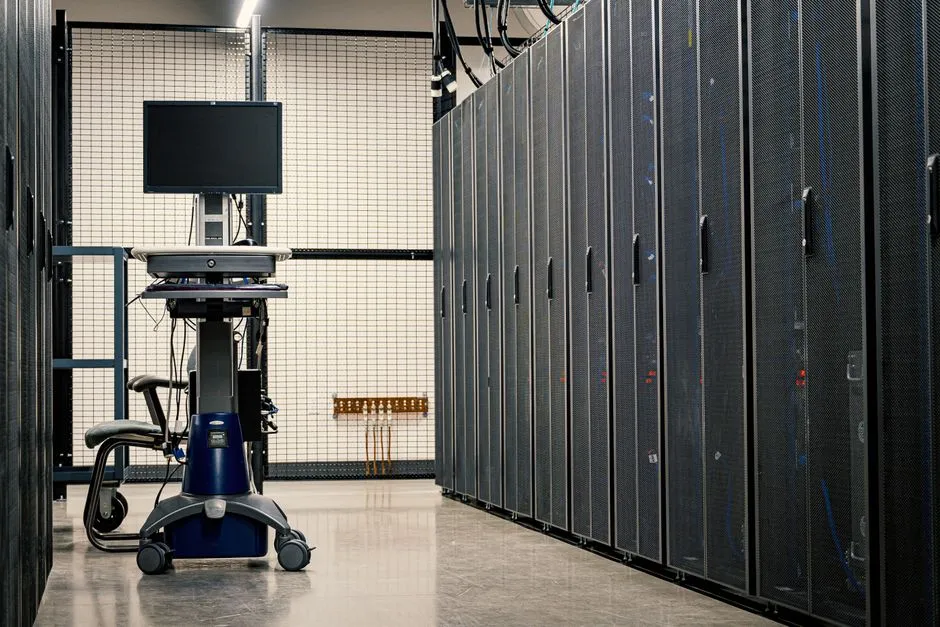
If the credit facility repayment is the headline, the data-center expansion is the underlying narrative that makes the move more compelling. Riot has continued to grow its data-center business, which reflects a broader industry trend: miners are no longer content to be just miners. The most successful operators are increasingly becoming infrastructure companies that can serve multiple customers and multiple workloads.
That shift is not accidental. Bitcoin mining can be profitable, but it is also exposed to cycles. A data-center business, on the other hand, can offer a more diversified revenue base. It can support AI workloads, enterprise hosting, high-performance computing, or other compute-intensive activities. For Riot, that means the company is not solely dependent on one line of business in an industry where conditions can change quickly.
From Mining to Multi-Use Infrastructure
The appeal of this model is straightforward. Data centers require power, cooling, networking, and operational expertise. Those are the same core competencies that strong Bitcoin miners already possess. The difference is the end use. Instead of every megawatt being dedicated exclusively to mining, a portion of the capacity can be allocated to other customers or workloads. That can smooth revenue, improve utilization, and make the business less binary.
This is why the data-center push matters so much. It suggests that Riot is thinking beyond the next quarter’s mining economics and positioning itself for a longer-term infrastructure role. In a market where energy access and facility quality are becoming major competitive advantages, that kind of positioning can be decisive.
What the Collateral Release Signals About Financial Strategy
The release of collateral also tells us something about how Riot is approaching its financial strategy. Companies that repay debt and free up assets are often trying to do more than improve a headline metric. They are creating optionality. Optionality is the ability to act when opportunities arise without being constrained by existing obligations.
In the current environment, that optionality may be especially valuable. Whether it is expanding data-center capacity, adjusting mining operations, pursuing new partnerships, or responding to changes in energy costs, having a cleaner balance sheet gives management more room to make decisions without added financial pressure.
A Stronger Base for Future Growth
There is also a signaling effect. When a company repays a substantial credit facility and releases collateral, it can reassure investors that the business is not dependent on that borrowing to stay afloat. It suggests that the company has the cash flow or asset strength to service and retire debt when it chooses to do so. That matters in an industry where credibility is often tied to balance-sheet strength.
It does not eliminate risk. Bitcoin miners still face market risk, operational risk, and the challenge of maintaining competitiveness in a rapidly evolving sector. But it does improve the quality of the story. The company is not just hoping for favorable conditions; it is strengthening the financial and operational platform that allows it to take advantage of them.
The Broader Context: Why Diversification Is Becoming Essential
Riot’s path is part of a larger transformation across the Bitcoin mining ecosystem. The companies that started as pure-play miners have increasingly realized that the future may look more like technology infrastructure than traditional commodity mining. That has led many of them to build data centers, explore enterprise services, and pursue contracts that extend beyond crypto workloads.
The logic is compelling. The same assets that support mining—power, land, cooling, and technical operations—can support a wider range of computing demand. As AI and other compute-intensive industries continue to grow, that optionality becomes increasingly strategic. It is no longer enough to simply have efficient mining hardware. The most durable businesses may be the ones that can monetize infrastructure in more than one way.
What to Watch Next
Going forward, the key question will be how Riot converts this stronger balance sheet into tangible growth. Investors will likely focus on several areas:
- the pace of data-center expansion and new customer commitments,
- how effectively the company can diversify revenue away from mining alone,
- its ability to maintain cost discipline while investing in infrastructure,
- and whether the freed-up collateral translates into strategic opportunities rather than simply sitting on the balance sheet.
Those details will matter because a financial improvement is only as valuable as the growth it enables.
Final Takeaway
Riot Platforms’ repayment of its $200 million credit facility and the release of collateral is more than a routine financial update. It is a sign of a company strengthening its foundation while pursuing a more diversified future. The data-center expansion gives the move added weight, because it shows Riot is not merely managing its balance sheet in isolation. It is actively positioning itself for a broader role in the evolving compute economy.
In a sector where financial resilience and strategic flexibility are becoming critical, that combination is worth watching. Riot may not be telling the whole story of its future in this single update, but the direction is clear: the company is working to build a stronger, more adaptable platform for the next phase of growth.
Related read: Lido Vote #214 Passes: What Dual Governance V1 Means for stETH Holders and Ethereum DeFi