

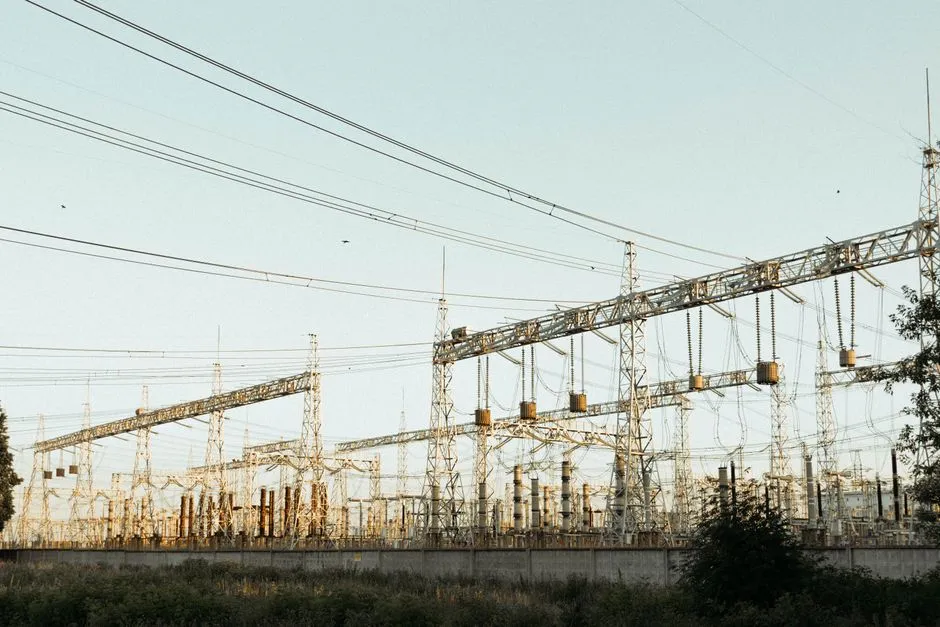
A major artificial intelligence infrastructure project in the United Kingdom has encountered a serious setback after Nscale reportedly lost a deal with Microsoft because of prolonged delays in securing a grid connection. The development highlights one of the most significant challenges facing the fast-growing AI industry: access to reliable electricity.
Nscale, a company with roots in Bitcoin mining and backing from Nvidia, had planned to supply Microsoft with access to thousands of advanced AI chips. The agreement was expected to involve approximately 23,000 Nvidia chips in the U.K. next year. However, the project’s power connection may not be available until the 2030s, making the original delivery schedule impossible.
Power Infrastructure Becomes an AI Bottleneck
AI companies are investing heavily in data centers capable of training and running large language models, image generators, automated systems, and other data-intensive applications. These facilities require far more electricity than traditional data centers because they rely on large clusters of high-performance processors operating continuously.
As demand for AI computing has accelerated, the availability of chips is no longer the only limiting factor. Companies also need land, cooling systems, network infrastructure, and—most importantly—sufficient power capacity. In many regions, electricity grids were not designed to support the sudden arrival of massive AI data centers.
Nscale’s situation illustrates how even a well-funded technology project can be delayed by infrastructure constraints outside the company’s direct control. While the company was prepared to deploy a large supply of Nvidia hardware, the necessary grid connection could take years longer than anticipated.
Why the Microsoft Agreement Mattered
The reported agreement with Microsoft represented a major opportunity for Nscale. A contract involving tens of thousands of AI chips would have positioned the company as an important provider of computing capacity at a time when cloud platforms and technology companies are competing to expand their AI capabilities.
For Microsoft, access to additional computing infrastructure is strategically important. The company has committed substantial resources to artificial intelligence, including cloud services, enterprise software, and partnerships designed to make AI tools available to businesses around the world. To support that strategy, Microsoft needs access to large amounts of specialized computing capacity.
When a project cannot obtain power on schedule, the consequences extend beyond construction delays. Customers may need to find alternative suppliers, shift workloads to other regions, or revise product launch plans. For infrastructure providers, the loss of a major customer can also affect financing, equipment orders, and future expansion plans.
Nscale’s Bitcoin Mining Background
Nscale’s history in Bitcoin mining is relevant because cryptocurrency mining companies have increasingly looked to artificial intelligence as a new business opportunity. Bitcoin mining operations often develop expertise in sourcing electricity, building large computing facilities, and managing energy-intensive hardware.
However, AI data centers are not simply interchangeable with Bitcoin mining sites. AI workloads typically require specialized Nvidia processors, high-speed connections between servers, advanced cooling systems, and strict performance standards. The facilities must also be designed to support demanding enterprise customers that expect dependable service and predictable capacity.
The transition from cryptocurrency mining to AI infrastructure can therefore create opportunities, but it also brings substantial technical and operational challenges. Companies must secure long-term electricity agreements, upgrade facilities, and prove that they can meet the reliability requirements of major cloud and technology customers.
The Wider Impact on the AI Industry
Nscale’s reported setback is part of a broader conversation about the physical limits of the AI boom. The industry has attracted billions of dollars in investment, but new data centers can take years to plan, permit, construct, and connect to the grid.
In the United Kingdom, as in other major technology markets, demand for electricity is rising at the same time that governments and utilities are working to modernize aging infrastructure. AI companies may have to consider locations with more available power, build their own energy solutions, or negotiate long-term arrangements with utility providers.
These challenges could also influence the geography of AI development. Regions that can offer fast access to electricity, fiber networks, and suitable industrial sites may attract more data center investment. Conversely, areas with limited grid capacity could lose projects even when they have strong technology ecosystems.
What Happens Next?
The loss of the Microsoft deal does not necessarily mean that Nscale’s AI ambitions are over. The company may seek other customers, adjust its deployment plans, or focus on locations where power can be secured sooner. It may also continue pursuing partnerships with chip manufacturers, cloud providers, and energy companies.
Still, the timeline problem is a reminder that AI expansion cannot be measured only by chip orders or software announcements. The success of the next phase of artificial intelligence will depend on physical infrastructure, including electricity generation, transmission networks, cooling systems, and data center construction.
For companies moving from Bitcoin mining into AI, the lesson is particularly clear: access to advanced hardware is valuable, but access to dependable power is essential. Until grid capacity catches up with demand, delays like Nscale’s may become increasingly common across the technology sector.
Related read: Bitcoin Stalls Below $83,000 as Rising Bond Yields Weigh on Market Sentiment

Peter Schiff Compares Bitcoin Hype to 17th Century Tulip Mania