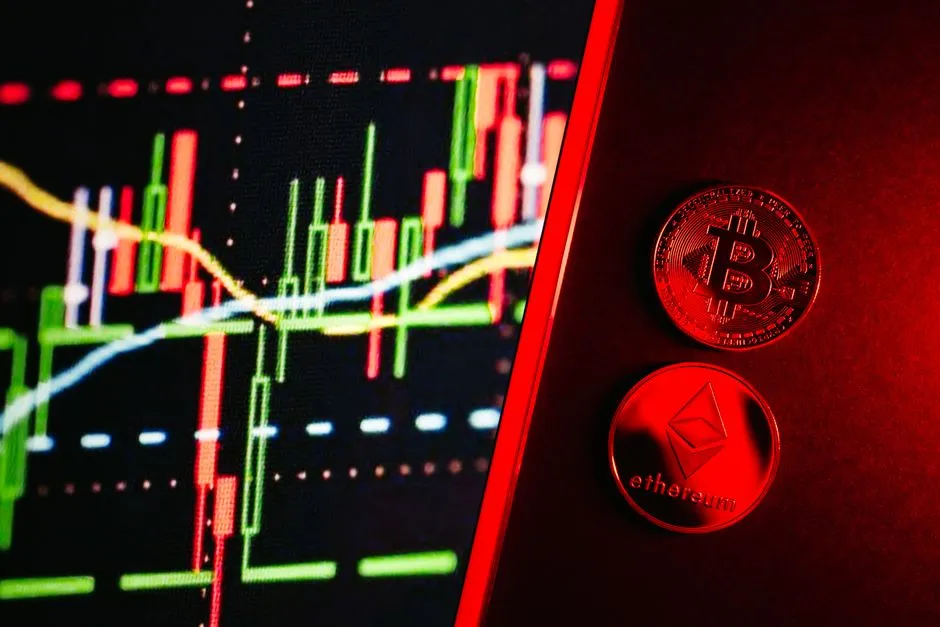
The Moscow Exchange is preparing to introduce trading in several major digital assets, marking a significant development for Russia’s evolving cryptocurrency market. According to the announcement, trading in Bitcoin, Ether, and Tether’s USDT is expected to begin on December 1 under the country’s newly adopted legal framework for digital assets.
The planned launch would give eligible market participants access to cryptocurrency trading through one of Russia’s most established financial infrastructure providers. Rather than operating outside the traditional financial system, the initiative could create a more regulated channel for buying and selling some of the world’s most widely used digital assets.
Which cryptocurrencies will be available?
The initial trading lineup is expected to include three prominent cryptocurrencies:
- Bitcoin (BTC): The largest and most established cryptocurrency by market capitalization, commonly viewed as a digital store of value.
- Ether (ETH): The native asset of the Ethereum network, which supports smart contracts and decentralized applications.
- Tether (USDT): A dollar-pegged stablecoin designed to maintain a value close to one U.S. dollar and widely used for trading and transferring funds across crypto markets.
The selection reflects the importance of these assets in global cryptocurrency activity. Bitcoin and Ether are among the most recognized digital assets, while USDT is frequently used as a settlement and trading instrument because of its relatively stable price compared with more volatile cryptocurrencies.
New access rules for individual investors
A key part of the plan concerns how non-qualified investors will be allowed to participate. Under the new framework, retail market participants who do not meet the requirements for qualified-investor status will face annual purchase limits.
The limits are intended to provide an additional layer of protection for individuals who may have limited experience with digital assets. Cryptocurrency prices can change sharply over short periods, and investors may also face risks related to custody, liquidity, technology, and regulatory developments. By introducing purchase restrictions, policymakers appear to be seeking a balance between market access and consumer protection.
The announcement does not specify the exact annual limits in the available information. However, the existence of such restrictions means that access to crypto trading on the Moscow Exchange is unlikely to be identical for all investors. Qualified investors may receive broader trading privileges, while other participants could be subject to tighter conditions.
Why the exchange launch matters
Listing digital assets through a major exchange could help bring greater structure and transparency to the Russian crypto market. Traditional exchanges typically provide established systems for order matching, reporting, risk management, and participant oversight. These features may be especially important in a market where investors have historically relied on a mixture of overseas platforms, private services, and alternative trading channels.
The launch could also make cryptocurrency exposure more familiar to participants already accustomed to conventional financial products. Instead of using a separate crypto platform, eligible users may eventually be able to access digital-asset markets through infrastructure connected to the broader financial system.
At the same time, exchange-based trading will not remove the fundamental risks associated with cryptocurrencies. Bitcoin and Ether remain highly volatile, and USDT carries its own considerations, including questions surrounding reserves, issuer operations, and the wider stablecoin market. Investors will still need to understand how orders are executed, how assets are held, and what protections apply if something goes wrong.
A cautious step toward regulated crypto markets
The planned December 1 launch represents a notable step in Russia’s approach to digital assets. Rather than treating cryptocurrency solely as an informal or offshore activity, the new framework appears designed to place selected forms of crypto trading within a more clearly defined legal environment.
Much will depend on the final rules, including investor eligibility, purchase limits, custody arrangements, taxation, and the precise products available. The initial launch may also serve as a test of demand and operational readiness before the exchange considers adding other digital assets or expanding access.
What investors should watch before launch
Before trading begins, market participants should look for further details about the platform’s terms and conditions. Important questions include whether users will trade the cryptocurrencies directly or through exchange-traded instruments, how prices will be determined, what fees will apply, and whether deposits and withdrawals will be available.
Investors should also pay close attention to the difference between qualified and non-qualified status. Annual purchase limits could affect portfolio planning, particularly for individuals seeking substantial exposure to digital assets. Understanding the applicable rules in advance will be essential for avoiding unexpected restrictions.
The Moscow Exchange’s expected entry into Bitcoin, Ether, and USDT trading signals growing institutional recognition of cryptocurrencies in Russia. While the rollout is likely to attract attention from both professional and retail investors, its long-term impact will depend on regulation, liquidity, investor protection, and the practical experience of users once trading begins. For now, the planned launch is an important development—but one that should be approached with careful attention to the rules and risks.
Related read: Binance Hackers Reportedly Swap Stolen Solana Tokens for Bitcoin as Exchanges Freeze Accounts