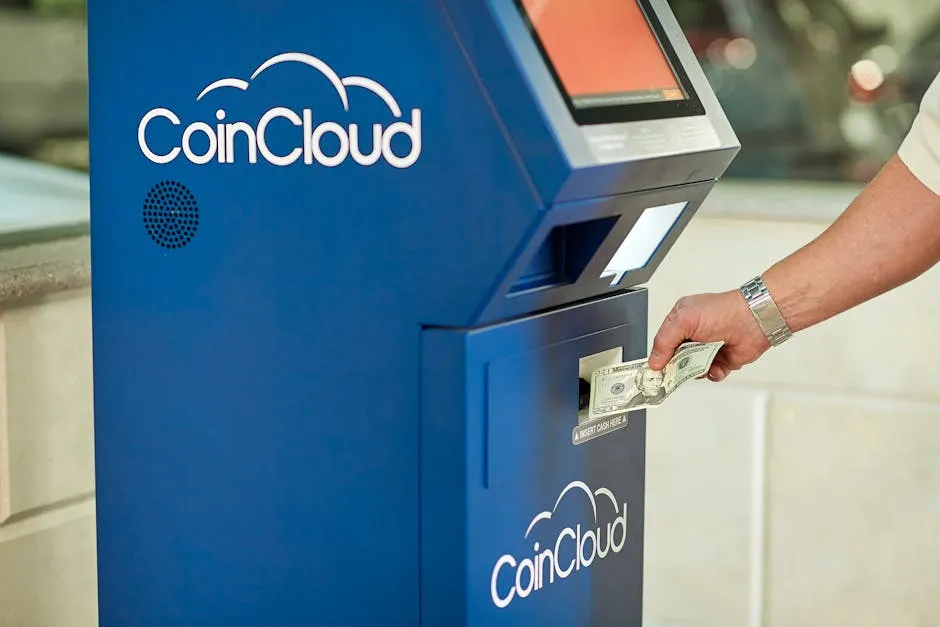
Minnesota Lawmaker Proposes Sweeping Crypto ATM Ban
A new legislative push in Minnesota could see cryptocurrency ATMs completely outlawed across the state. Representative Erin Koegel has introduced a bill proposing a total ban on these digital currency kiosks, a move that builds upon and significantly tightens restrictions passed just last year.
This proposal comes in direct response to a growing number of reports detailing how these machines have been used to facilitate financial scams, often targeting vulnerable populations.
Building on a Foundation of Restrictions
The 2024 effort is not Minnesota’s first attempt to regulate the crypto kiosk industry. The state previously enacted a law designed to impose stricter rules on operators. These regulations likely included measures such as transaction limits, enhanced fee transparency, and stronger identity verification requirements—common tools aimed at curbing impulsive, high-value transactions often associated with fraud.
However, for Representative Koegel and other supporters of the ban, these incremental steps appear insufficient. The continued stream of scam reports suggests that bad actors are finding ways to exploit the machines despite the existing rules, prompting the call for more drastic action.
The Driving Force: Protecting Consumers from Scams
The core argument for the ban centers on consumer protection. Crypto ATMs, while offering convenience, present unique risks. Transactions are typically irreversible, and the pseudo-anonymous nature of cryptocurrency can make it nearly impossible for victims to recover stolen funds. Scammers often use high-pressure tactics, sometimes posing as government agents or tech support, to convince people to deposit cash directly into a kiosk to resolve a fictitious problem or to “secure” their assets.
These kiosks are frequently located in convenience stores, gas stations, and shopping malls—places easily accessible to the general public, including those who may be less familiar with the risks of digital currency. Proponents of the ban argue that removing the physical point of access is the most effective way to prevent these specific types of fraud.
A Controversial Step with Industry Implications
A total ban would be one of the most aggressive stances taken by any U.S. state against crypto ATMs. The move is sure to spark debate between consumer advocacy groups and the digital asset industry. Operators and proponents of cryptocurrency accessibility will likely argue that a ban punishes legitimate users and stifles innovation, suggesting that better enforcement of existing laws and public education are preferable solutions.
They may contend that removing a regulated on-ramp to cryptocurrency could push consumers toward riskier, unregulated online platforms. The outcome of this legislative proposal will be closely watched, as it could set a precedent for other states grappling with how to balance technological innovation with the urgent need to protect citizens from financial predators.
As the bill moves through the Minnesota legislature, it will force a critical conversation about the role of physical infrastructure in the crypto economy and the limits of regulation in preventing fraud.