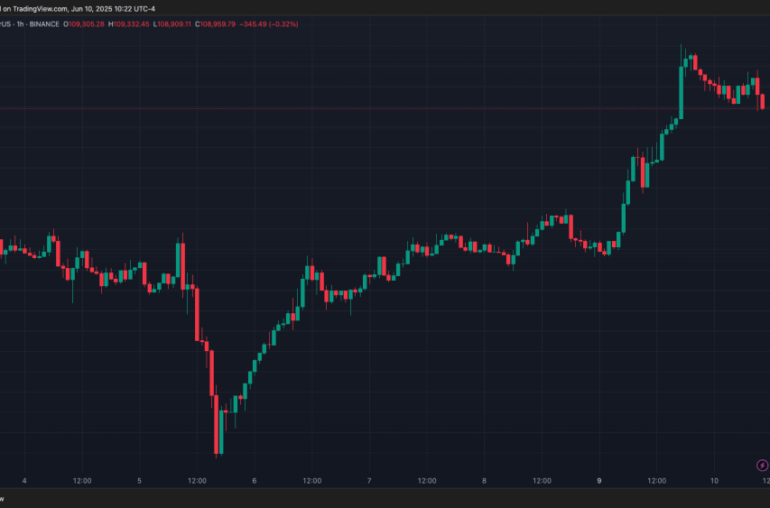
Institutional adoption of Bitcoin continues to accelerate at a pace that surprises traditional market observers. Just last week, the crypto world witnessed a monumental move from one of its most vocal proponents. Michael Saylor, the CEO of MicroStrategy, orchestrated a massive acquisition that has once again put the spotlight on corporate Bitcoin strategies. In a high-profile transaction executed last week, Strategy added a staggering 24,869 Bitcoin to its treasury, marking a financial commitment of approximately $2.01 billion.
A Record-Breaking Acquisition
The details of this purchase reveal the sheer scale of corporate appetite for digital assets. By allocating over two billion dollars in capital, Strategy effectively doubled down on its conviction that Bitcoin represents a superior store of value. This transaction lifted the company’s total Bitcoin holdings to exactly 843,738 BTC. For context, this number represents a significant portion of the total Bitcoin supply available on the market, highlighting how quickly institutional players are moving to secure their positions.
The Funding Mechanism
One of the most interesting aspects of this acquisition was the source of the funds used to execute the purchase. According to recent reports, the acquisition was funded around 97% through the sales of STRC. This highlights a specific treasury management strategy where the company leverages its own token sales or equity structures to finance its Bitcoin purchases. This approach allows MicroStrategy to acquire Bitcoin without necessarily dipping into its liquid cash reserves, effectively using its own financial instruments to expand its digital gold stash. Such a method demonstrates a sophisticated understanding of liquidity management in the volatile crypto landscape.
Why This Matters for the Industry
The implications of this purchase extend far beyond MicroStrategy’s own balance sheet. When a company of this stature commits billions to Bitcoin, it sends a powerful signal to the broader market. It validates the narrative that Bitcoin is not just a speculative asset but a viable component of a modern corporate treasury.
- Institutional Confidence: Every time a major corporation like MicroStrategy buys Bitcoin, it reduces the stigma associated with cryptocurrencies among Wall Street investors.
- Price Support: Large purchases like this create significant demand, which can provide a floor for the Bitcoin price and encourage further adoption.
- Inflation Hedge: Companies are increasingly viewing Bitcoin as a hedge against fiat currency devaluation, similar to how nations might hold gold reserves.
Michael Saylor’s Long-Term Vision
Michael Saylor has built his entire public persona and business model around the concept of Bitcoin as the future of money. His strategy is straightforward and uncomplicated: acquire as much Bitcoin as possible and hold it long-term. This approach, often referred to as the “Bitcoin Standard,” contrasts sharply with the traditional financial sector’s reliance on debt and fiat currency exposure.
By utilizing the aforementioned STRC sales to fund the bulk of the purchase, Saylor demonstrates that he understands the importance of self-funding growth. This reduces reliance on external credit markets, which often come with expensive interest rates and restrictive covenants. Instead, the company leverages its own ecosystem to buy the asset it believes in.
Market Reaction and Future Outlook
The crypto market reacted with a mix of excitement and anticipation following the news. Investors are closely watching to see if this trend of corporate accumulation will continue. As MicroStrategy’s holdings reach 843,738 BTC, the next logical step for many observers is to see if other companies will follow suit. The success of this model depends on several factors, including regulatory clarity and the continued performance of the Bitcoin network itself.
Furthermore, the integration of Bitcoin into corporate treasuries is likely to become a standard accounting practice within the next decade. We are currently in the early stages of this transition, and the recent $2 billion purchase serves as a major milestone. It proves that the technology is mature enough to handle such massive volumes of transactions without breaking the market infrastructure.
Conclusion
The recent acquisition by Strategy is more than just a news headline; it is a testament to a shifting global financial paradigm. By deploying $2.01 billion to buy 24,869 Bitcoin, MicroStrategy is taking a definitive stance on the future of money. The funding strategy, reliant heavily on STRC sales, shows a commitment to financial engineering that prioritizes Bitcoin accumulation above all else. As the industry matures, we can expect to see more entities making similar moves, cementing Bitcoin’s role not just as a speculative investment, but as a foundational asset class for the modern economy.