Kraken has taken another step toward making crypto feel less like a speculative asset and more like a practical part of daily life. The company has introduced a US debit card that lets customers spend both cryptocurrency and traditional fiat currency, while also earning cashback rewards. The move is significant not just for Kraken, but for the broader crypto industry, which has long struggled with one simple question: how do people use their digital assets outside of trading?
A multi-asset card for everyday spending
The card is best described as a multi-asset payment product. Instead of forcing users to choose between crypto and fiat, it gives US customers a single card that can work across both worlds. In practical terms, that means a user may be able to pay for groceries, utilities, subscriptions, or other everyday purchases while drawing on crypto balances or traditional funds, depending on the setup and available options.
The cashback element adds another layer of appeal. For many consumers, rewards are one of the most visible signs that a financial product is useful beyond the headline feature. In crypto, rewards can be especially interesting because they may help offset volatility or encourage repeat use. Even if the cashback is modest, the message is important: crypto is no longer just something you buy and hold. It is something you can spend, manage, and potentially earn from in the same way you might with a mainstream bank card.
Why US customers matter
The United States remains one of the most important markets for crypto adoption, but it is also one of the most complex from a regulatory and payment-processing standpoint. A debit card in the US is not simply a plastic card; it sits at the intersection of banking, consumer protection, anti-money-laundering rules, and settlement networks. That makes Kraken’s launch a meaningful milestone. It suggests that the company is building out a more complete financial stack, not just a trading interface.
The Payward angle: a broader financial-services push
This launch does not exist in isolation. It comes as Payward, Kraken’s parent company, continues to broaden its financial-services push. The strategy is easy to understand: trading alone is not enough to build a durable, diversified business. Exchanges and crypto platforms are increasingly competing to become full-service financial institutions, offering everything from custody and payments to rewards, card spending, and other consumer-facing tools.
For Payward, a debit card helps create a more complete loop. Users can hold digital assets, convert them when needed, spend them, and earn rewards in the process. That kind of closed ecosystem can improve retention. It also gives the company more ways to generate revenue and more reasons for customers to keep their funds on the platform. In a market where trading volumes can swing sharply, diversified financial products can be a stabilizing force.
What this means for crypto adoption
The real story here is not just the card itself. It is what the card represents: the gradual blending of crypto and conventional finance. For years, crypto has been associated with speculation, volatility, and a niche set of users comfortable with wallets, private keys, and price charts. The next wave of adoption is likely to be more mundane, and that is a good thing. People do not need to become crypto experts to benefit from digital assets. They need simple tools that fit into their existing financial habits.
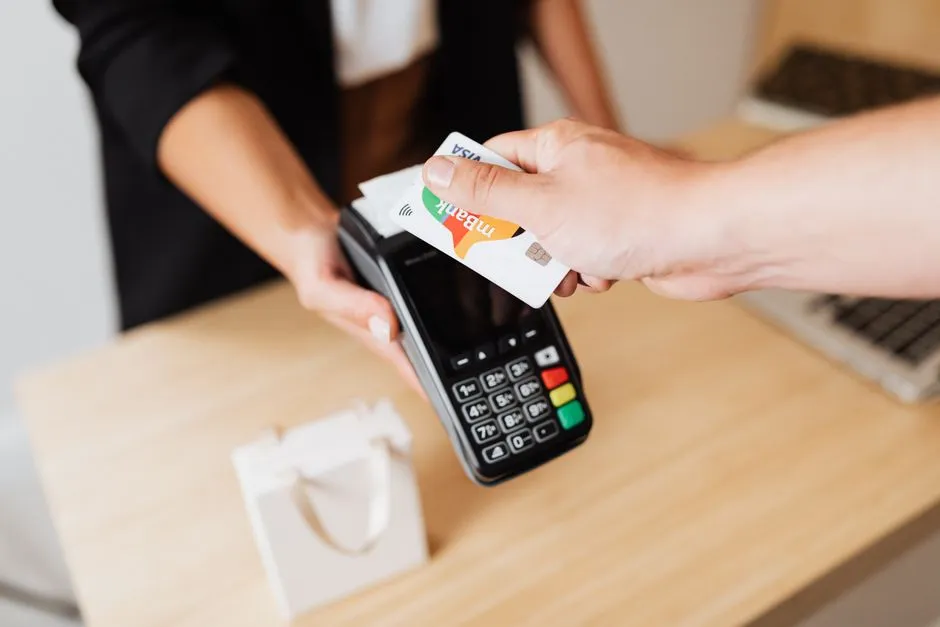
A debit card does exactly that. It lowers the friction between holding crypto and using it. Without a card, many users would need to sell their assets, move funds to a bank, and then pay from a traditional account. That process can be slow, inconvenient, and sometimes costly. A card can collapse those steps into a single, familiar action: tap, swipe, or pay online.
Still, the challenges remain
That said, a debit card does not solve every problem. Crypto is still volatile, and spending assets whose value can change quickly requires some understanding of risk. Merchant acceptance is improving, but it is not universal. Users may also have questions about fees, settlement speed, cashback terms, and how their funds are held. Compliance and consumer protection will continue to shape how these products evolve, particularly in the US.
For Kraken, the opportunity is to make the experience simple enough for mainstream users while staying responsible enough to satisfy regulators. If it can do that, the card could become more than a promotional feature. It could become a core part of how people interact with their digital portfolios.
Why this could be a turning point
What makes this launch interesting is the timing. The crypto industry is moving from its early, experimental phase into a more mature period where institutions, consumers, and regulators are all trying to define the rules. In that environment, practical products matter more than hype. A debit card is not flashy, but it is useful. It speaks to a growing expectation that crypto should be usable, not just tradeable.
For Payward and Kraken, this is a chance to position themselves as more than a trading platform. It is a chance to become a financial companion for users who want access
Related read: Xora Finance Brings Native Stellar Settlement to the XRP Ledger