Keel Infrastructure has made a bold move that signals a major shift in the intersection of cryptocurrency and artificial intelligence. The company has decommissioned all of its US Bitcoin mining sites and is repurposing those locations for AI and high-performance computing workloads. At first glance, this may sound like a retreat from the crypto world, but in reality, it reflects a broader transformation in how data center real estate, power infrastructure, and compute demand are being valued.
From Bitcoin Hashing to AI Compute
For years, Bitcoin mining operations were built around one specific goal: running ASICs as efficiently as possible while managing heat, noise, and electricity costs. Those facilities often had strong power access, large floor space, and robust cooling systems. Today, those same attributes are becoming increasingly valuable for another type of compute-heavy workload: artificial intelligence.
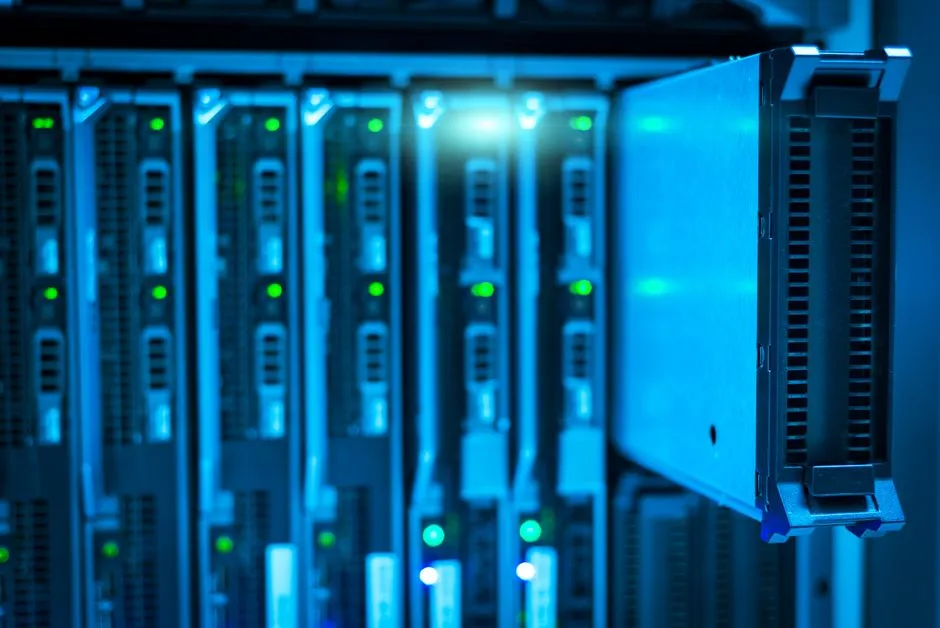
AI data centers are not just standard server rooms. They require high-density power, advanced cooling, reliable networking, and the ability to run thousands of GPUs or accelerators around the clock. Building new data centers from scratch can take years, especially in markets where land, permitting, and grid connections are scarce. This is why companies are looking at existing mining sites. Many of them already have the core physical infrastructure in place, making them attractive candidates for conversion.
Why This Shift Matters for the Crypto Industry
The move by Keel Infrastructure is a clear example of how the economics of Bitcoin mining are changing. Mining profitability has always been sensitive to electricity prices, hardware costs, and the Bitcoin price. When those variables shift, operators need to adapt. For some, that means selling hardware, relocating, or exiting entirely. For others, like Keel, it means transforming the business model while keeping the best assets in play.
This also highlights a growing trend: Bitcoin mining companies are no longer just crypto companies. Many are becoming infrastructure companies. They own land, secure power, manage cooling systems, and operate large-scale compute facilities. Those capabilities are transferable. In a world where AI demand is exploding, a mining site with a strong power setup can become far more valuable than a typical office or warehouse.
The Race for Power and Data Center Space
One of the biggest bottlenecks in AI is not just chips, but power. Large AI models require enormous amounts of electricity, and not every region can support that demand. Utilities, local governments, and data center operators are all competing for limited grid capacity. In many cases, the cheapest and fastest path to new AI capacity is not to build from scratch, but to repurpose existing high-power facilities.
This is where former Bitcoin mines fit in. They were often sited near power sources, built to handle heavy workloads, and designed to operate continuously. That makes them well suited for high-performance computing, AI training, and inference workloads. For operators, the transition is about upgrading the right systems: adding GPU racks, improving network bandwidth, modernizing cooling, and ensuring the site can meet the needs of AI customers.
What It Says About the Future of Mining
Keel Infrastructure’s decision does not mean Bitcoin mining is dead. It means the industry is maturing. Some operators will continue to mine Bitcoin because they have low-cost power, efficient hardware, and a long-term belief in the network. But others will diversify. The companies that survive and grow are likely to be those that treat their infrastructure as a flexible asset rather than a single-purpose facility.
This is especially true in the US, where energy markets, regulatory environments, and compute demand are constantly evolving. A mining site that once only produced Bitcoin may now support AI workloads, cloud services, or enterprise computing. That flexibility can make the difference between a struggling operation and a profitable data center business.
Challenges in Converting Mining Sites
That said, the transition is not automatic. Bitcoin mining and AI computing have different requirements. GPUs consume power in different ways, often with higher instantaneous draw and more complex power management. Cooling needs can be heavier, and the physical layout of a mining hall may need significant changes to accommodate AI racks. Networking is another major upgrade, since AI workloads depend on low-latency, high-bandwidth connections between accelerators.
There are also local considerations. Noise, heat output, and energy usage can affect community relations. Zoning rules, environmental review, and utility agreements may need to be revisited. In some cases, a site may need new permits or upgrades to the electrical service. For operators, the business case has to be strong enough to justify the cost of conversion.
A Clear Signal for Crypto Infrastructure
Keel Infrastructure’s shift toward AI and high-performance computing is a reminder that the crypto and AI worlds are becoming more connected than many people expect. Both industries depend on the same fundamental resources: land, power, cooling, and capital. As AI demand continues to grow, more Bitcoin mining operations may find themselves at a crossroads.
For some, the decision will be to stay focused on Bitcoin. For others, it will be to pivot. Either way, the industry is moving in a direction where infrastructure is the real asset. Keel’s move shows that the future of crypto mining may not be about choosing between Bitcoin and AI, but about understanding how those two compute-intensive fields can share the same foundations.
Related read: Bitcoin Slides to $62,500 as Traders Warn a Weak Weekly Close Could Trigger More Losses