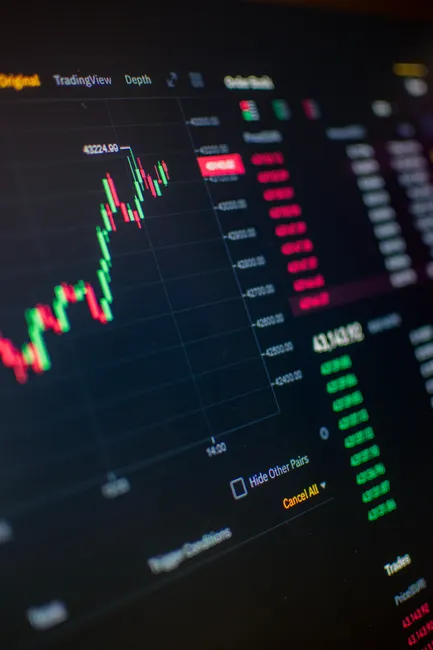
In the fast-moving world of digital asset trading, milestones don’t just happen—they signal a shift in how markets operate. Kalshi, a platform that has quickly made a name for itself in the derivatives space, recently announced that its perpetual futures volume has officially crossed the $5.5 billion mark. What makes this figure particularly striking is the timeframe: just two weeks. Behind that number lies a growing appetite for advanced trading instruments, and a clear signal that the platform is preparing to look far beyond its current crypto-centric roots.
The $5.5 Billion Milestone: What It Means for Traders
When a trading platform reports half a billion in volume within a fortnight, it’s not just a bragging right. It’s a reflection of real market activity, liquidity, and trader confidence. For Kalshi, this surge in perpetual futures volume highlights how quickly retail and institutional participants are adopting structured derivatives. Perpetual futures, often shortened to “perps,” are a favorite among crypto traders because they offer the flexibility of traditional futures without a hard expiration date. Instead of rolling over contracts at a specific time, traders rely on periodic funding payments to keep the contract price aligned with the actual market price of the underlying asset.
Why the Volume Spike Matters
The rapid accumulation of trading volume suggests that Kalshi’s infrastructure is holding up under pressure. High volume usually translates to tighter spreads, better price discovery, and a more robust marketplace. For everyday traders, that means fewer execution delays and a smoother trading experience. For the platform itself, it serves as proof of concept: the model works, the demand is real, and there is clear room to scale. When volume moves this quickly, it also attracts market makers and liquidity providers, which further strengthens the ecosystem for everyone involved.
Studying New Contracts and Expanding Horizons
While the crypto space has undeniably driven Kalshi’s early growth, the company isn’t content to stay in one lane. According to recent statements, the team is actively studying additional contract types and laying the groundwork for a broader product suite. This isn’t a sudden pivot—it’s a strategic evolution. Prediction markets and derivatives platforms have historically thrived when they adapt to shifting regulatory environments and trader preferences. By researching new instruments, Kalshi is positioning itself to capture demand that extends well past Bitcoin and Ethereum.
Moving Beyond the Crypto Bubble
The phrase “beyond crypto” might sound ambitious, but it’s becoming a common trajectory for mature digital asset platforms. Traditional financial markets have long relied on futures and options to hedge risk, speculate on macroeconomic trends, and manage exposure. As regulatory frameworks continue to evolve, there is a growing expectation that digital-native platforms will eventually offer exposure to commodities, stock indices, interest rates, or even real-world economic events. Kalshi’s interest in expanding its contract library aligns perfectly with that industry-wide shift. The goal is to build a marketplace that feels familiar to seasoned traders while remaining accessible to newcomers.
What This Means for the Broader Financial Landscape
If Kalshi successfully introduces non-crypto contracts, it could blur the lines between traditional finance and digital trading ecosystems. Traders who currently navigate multiple platforms for different asset classes might find a more unified experience. On the regulatory side, it will likely prompt closer scrutiny, but it could also encourage clearer guidelines around hybrid derivatives. The ultimate objective isn’t just to offer more products—it’s to build a reliable, transparent marketplace that can handle diverse asset types without compromising on stability or user trust.
What’s Next for Kalshi and the Derivatives Market?
The $5.5 billion volume milestone is a strong foundation, but the real test lies in execution. Expanding into new asset classes requires robust compliance frameworks, reliable liquidity providers, and a deep understanding of how different markets behave. Kalshi’s team has already demonstrated an ability to scale quickly, but the next phase will demand careful planning. Traders will be watching closely to see which contracts launch first, how pricing mechanisms adapt, and whether the platform can maintain the same level of efficiency across diverse asset types.
For now, the message is clear: Kalshi is no longer just riding the crypto wave. It’s building a bridge to broader financial markets, using the momentum from its perpetual futures success to fund that transition. Whether you’re a day trader, a long-term investor, or simply someone who follows market trends, this evolution is worth keeping on your radar. The derivatives space is changing, and platforms that can balance innovation with stability will likely lead the next wave of market growth. As Kalshi continues to study new contracts and prepare for expansion, the broader financial industry will be watching to see how this shift reshapes the way we trade, hedge, and understand risk.